

Wonders of Creation
Bird Nests Explained: How Birds Build Safe Homes
Discover how birds build nests using simple materials to create safe, protective homes for their eggs and chicks.
- Debbie Reichman
- | Updated
 (Photo: shutterstock)
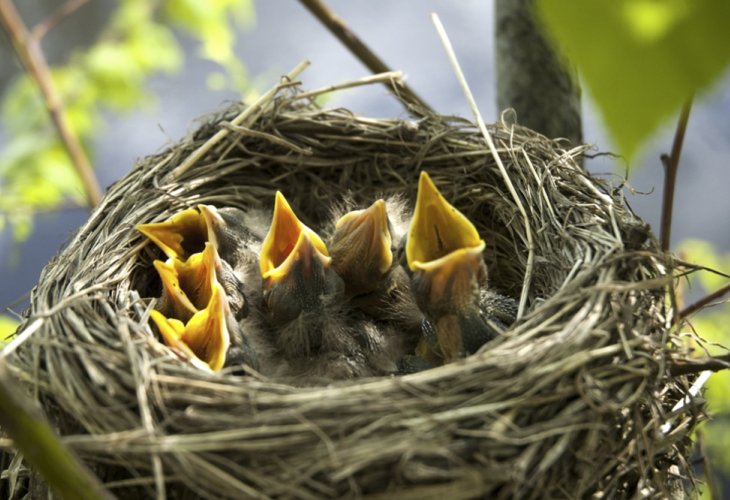
When a bird lays its eggs, it needs a safe and protected place where they can hatch and the chicks can grow. That is the main purpose of a bird’s nest.
A nest is more than just a pile of twigs. It is a carefully built shelter, designed to protect delicate eggs and provide a secure environment for new life.
What Bird Nests Are Made Of
Birds build their nests using materials they find in their surroundings. Common materials include leaves, twigs, grass, and mud. Each piece is chosen and arranged to create a stable and protective structure.
In areas close to human activity, birds often use man made materials as well. It is not unusual to find nests that include string, fabric scraps, bits of plastic, or even small pieces of metal. Birds naturally adapt to what is available around them.
Not All Nests Are the Same
No two bird species build exactly the same kind of nest. Each nest is shaped by the bird’s needs, the environment it lives in, and the way its chicks develop.
Some birds build high in treetops for safety, while others create nests on water, inside tree trunks, or in hidden spots on the ground. The goal is always the same: protection and stability.
The materials can also vary in surprising ways. Some birds use spider webs to bind their nests together. Others use mud to strengthen the structure. In urban areas, certain birds even use cigarette butts, as the nicotine can help repel parasites and protect their young.
Remarkable Nest Builders
Some birds take nest building to another level.
Weaver birds, found in southern Africa and the Kalahari Desert, are known for their impressive communal nests. These large structures sit high in trees and can house hundreds of birds at once, offering shared protection and shelter.
Another species, the African masked weaver, creates intricate hanging nests by weaving together thin branches and grasses. These nests dangle from tree limbs and are both strong and carefully designed.
A Very Different Approach
Not all birds build nests at all. The cuckoo, for example, takes a completely different approach.
Instead of building its own nest, the cuckoo lays its eggs in the nests of other birds. Sometimes it even removes one of the host bird’s eggs to make space. The host bird then unknowingly incubates and raises the cuckoo chick along with its own.
Not Just Birds
While nests are most closely associated with birds, they are not unique to them. Some insects and even a few amphibians also build nest like structures to protect their eggs and provide a place for their young to develop.
A Simple Yet Powerful Design
Bird nests may seem simple at first glance, but they are carefully designed for survival. Each nest reflects the wisdom of creation, perfectly suited to the needs of the species that builds it.
From treetops to hidden corners, these small structures play a vital role in the continuation of life in the natural world.

