

Wonders of Creation
Rain Explained: How It Forms and Why It Matters
Learn how rain forms, where it goes, and the deeper meaning behind one of nature’s most essential gifts.
- Debbie Reichman
- | Updated
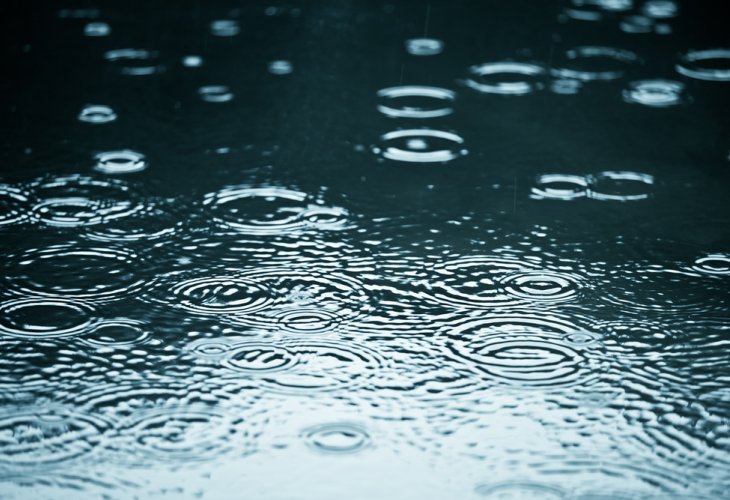 (Photo: shutterstock)
Rain is one of the most essential forces in the world around us. It nourishes the earth, sustains life, and plays a central role in Jewish thought and prayer. Taking a closer look at how rain works can deepen our appreciation for this everyday miracle.
How Rain Forms
Rain begins high up in the clouds. Tiny droplets of water gather together, gradually combining into larger and heavier drops. Once these drops become too heavy to remain suspended in the air, they fall to the ground as rain.
But where do these droplets come from?
When the weather is warm, water from oceans, lakes, and rivers evaporates. This means it turns into vapor and rises into the sky. As the vapor cools, it condenses and forms clouds. Inside those clouds, the process continues until rain is created.
Where Does the Rain Go
After it rains, the ground becomes wet, and puddles often form, much to the delight of children. But what happens to all that water afterward?
Most of the rainwater soaks into the ground. It seeps deep into the soil and eventually returns to natural water sources such as rivers, lakes, and seas.
In cities, where surfaces like roads and sidewalks prevent water from easily soaking in, drainage systems are designed to guide rainwater safely into the ground.
On warmer days, some of the rainwater evaporates again, returning to the sky and continuing the cycle.
Why Deserts Rarely Get Rain
Deserts are known for their dryness, but why do they receive so little rain?
There are two main reasons.
First, many deserts are located far from large bodies of water. Since clouds form over oceans and lakes, they often lose much of their moisture before reaching distant inland areas.
In some cases, deserts are also located behind mountain ranges, which block clouds from moving further inland.
Second, deserts are extremely hot. Even when clouds do reach them and rain begins to fall, the heat can cause the raindrops to evaporate before they ever reach the ground.
The Beauty and Meaning of a Rainbow
In the Torah, we read about the rainbow, the covenant Hashem made with Noah after the flood.
But what is a rainbow, scientifically?
A rainbow is formed when sunlight passes through raindrops in the air. Each droplet acts like a tiny prism, bending and splitting the light into its basic colors: red, orange, yellow, green, blue, indigo, and violet.
When sunlight and rain appear together, these colors become visible as a beautiful arc in the sky.
Seeing a rainbow is also a meaningful moment. We recite a special blessing:
“Blessed is He who remembers the covenant, is faithful to His covenant, and fulfills His word.”
A Final Thought
Rain is not only a natural process. It is a gift that sustains life and nourishes the world around us.
Taking a moment to understand how it works can help us appreciate it not just as weather, but as part of a much bigger picture; one filled with purpose, balance, and blessing.

