

Wonders of Creation
A Wave of Destruction: Understanding Tsunamis
From underwater earthquakes to massive waves, understand how tsunamis form and why they are so destructive.
- Debbie Reichman
- | Updated
 (Photo: shutterstock)
More than twenty years ago, the ground shook across large parts of Asia. Countries like Indonesia, Thailand, India, Sri Lanka, and others felt the force of a massive earthquake beneath the ocean. But the true devastation came from what followed: a powerful tsunami that surged from the Indian Ocean, flooding entire coastlines and claiming the lives of around 280,000 people.
So what exactly is a tsunami, and how does it occur?
How the Earth Moves Beneath Us
The Earth is not a single solid piece. It is made up of large sections called tectonic plates, which float on a deeper, semi-liquid layer beneath the surface.
These plates are constantly moving, even if we do not feel it. Hashem, in His wisdom, set the land over the waters and guides these movements with precision.
However, when these plates push against each other or suddenly shift, the result can be a powerful earthquake. When this happens under the ocean, it can trigger something far more destructive.
What Is a Tsunami
The word “tsunami” comes from Japanese and means “harbor wave.”
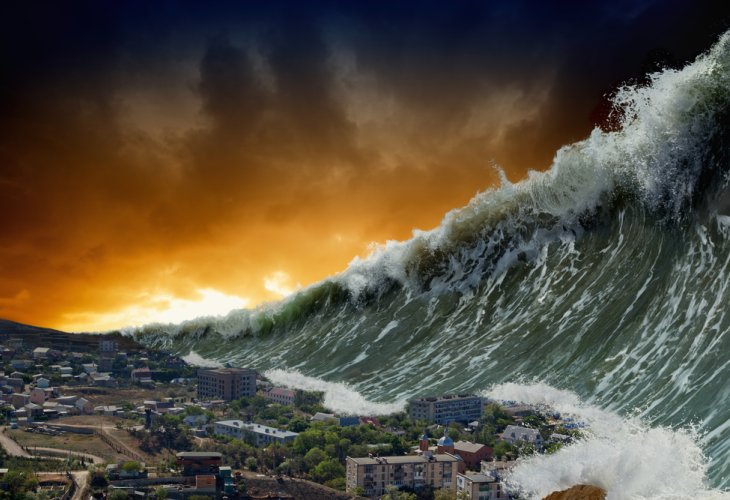
A tsunami is not a regular ocean wave. It is a massive surge of water that moves across the ocean at incredible speed, sometimes reaching up to 1,000 kilometers per hour.
Unlike normal waves that break gently along the shore, a tsunami carries enormous force. When it reaches land, it can flood vast areas, destroy buildings, and sweep away everything in its path.
Tsunamis are usually caused by underwater earthquakes that suddenly shift the ocean floor. They can also be triggered by underwater landslides.
Why Tsunamis Are So Dangerous
One of the most dangerous aspects of a tsunami is how quickly it travels and how little warning there may be.
Before a tsunami hits, the ocean may behave in unusual ways. The water might suddenly pull back from the shore, exposing the seabed. There may be increased bubbling or foam.
These are warning signs.
When alerts are issued, people in coastal areas are instructed to move quickly inland and seek higher ground. Acting fast can save lives.
A Remarkable Story of Awareness
One well known story from the 2004 tsunami highlights how knowledge can make a life saving difference.
An 11 year old girl named Tilly Smith was vacationing with her family in Thailand. Just two weeks earlier, she had learned in school about tsunamis and their warning signs.
While standing on the beach, she noticed something unusual. The water was pulling back, and the sea looked different. She recognized the danger immediately.
Tilly began shouting and warning those around her. About a hundred people were on the beach at the time. Because they listened and moved away quickly, that beach became one of the few in the area where no lives were lost.
Her awareness, and perhaps a measure of divine help, made all the difference.
A Powerful Reminder
Tsunamis are among the most powerful natural forces on Earth. They remind us how dynamic and complex our world is, and how much depends on the delicate balance Hashem maintains beneath the surface.
At the same time, they also remind us of the importance of awareness, knowledge, and quick action.
Understanding how these events occur not only deepens our appreciation of the world, but also helps us respond wisely when faced with its challenges.

