

Raising Children
When Grown Children Fight: What Is Your Role
When adult children argue, your role matters. Learn how to avoid taking sides and support healthy resolution.
- Sarah Langzam
- | Updated
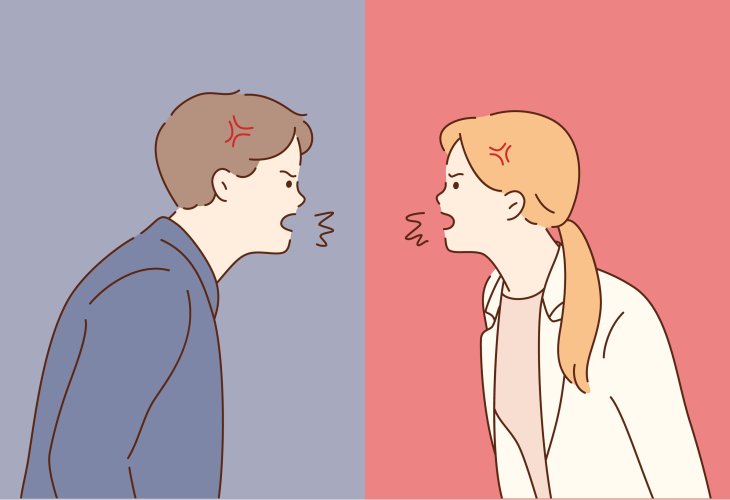 (Photo: Shutterstock)
Every home with children knows this scene.
Voices rise. Someone is upset. Someone else reacts. Before you know it, the situation escalates and you are pulled right into the middle.
At first, it feels like just part of raising young children. But what happens when the fighting does not disappear with age?
It Starts Small
Leah is upset with Adam for touching her backpack.
Issac knocks over the LEGO bridge Asher worked so hard to build.
Asher reacts, voices rise, and suddenly you are standing in the doorway, trying to make sense of it all.
Every parent has stories like these.
In almost every parenting group, the topic comes up. The frustration is real, even if there is some comfort in knowing it happens in every home.
Different Kids, Different Worlds
Every child is different.
One is organized. Another is scattered. One reacts quickly. Another takes their time.
Living together means learning to handle those differences. And for children, that often includes conflict.
Many parents assume this is just a stage.
The kids will grow up, mature, and eventually live in peace.
When the Fighting Doesn’t Disappear
Time passes.
The children grow up, get married, and build families of their own.
And then, one Shabbat, everyone gathers together.
Instead of calm, you hear tension.
“Your child keeps hitting.”
“Do you think your child is perfect?”
The voices are sharper now. The stakes feel higher.
And suddenly, it is not just about the children.
There is tension between your adult children as well.
A New Kind of Conflict
It shows up in different ways.
A family event is being planned, and disagreements begin.
One does not like the menu.
Another objects to the program.
Someone feels left out of the decision.
Another refuses to participate altogether.
The tension builds, and you hear it all.
Now you are faced with a difficult question.
What Is Your Role?
Do you step in?
Do you take sides?
Do you try to solve the problem?
At first glance, it may seem like the right thing to do.
But what happens next?
The Risk of Taking Sides
When you support one side, the other feels hurt.
When you try to judge, the conflict often grows stronger.
Instead of calming things down, you may find yourself becoming part of the conflict.
And now, in addition to the tension between your children, there may also be tension directed toward you.
A Different Approach
Sometimes, the most helpful response is not to step in at all.
Yes, it touches you. It is painful to hear and see.
But at the same time, it is not yours to solve.
Your involvement may only make things more complicated.
Trusting Their Ability
Instead of stepping in, take a step back.
Show your children that you believe in them.
Trust that they are capable of working things out, reaching understanding, and finding solutions that work for everyone.
That trust can be more powerful than any solution you try to impose.
Conclusion
Conflict in a family does not always disappear with age. It simply changes form.
As parents, our role also changes.
We move from managing every situation to trusting, supporting, and allowing space.
Sometimes, the strongest position is not in the middle of the conflict.
It is just outside of it.
Sarah Langzam is a parent group facilitator, emotional counselor, and guide for mothers of married children.

