

Raising Children
How to Handle an Angry Child Without Losing Control
Practical parenting strategies to respond calmly to tantrums, set clear boundaries, and build emotional resilience
- Shira Dabush (Cohen)
- | Updated
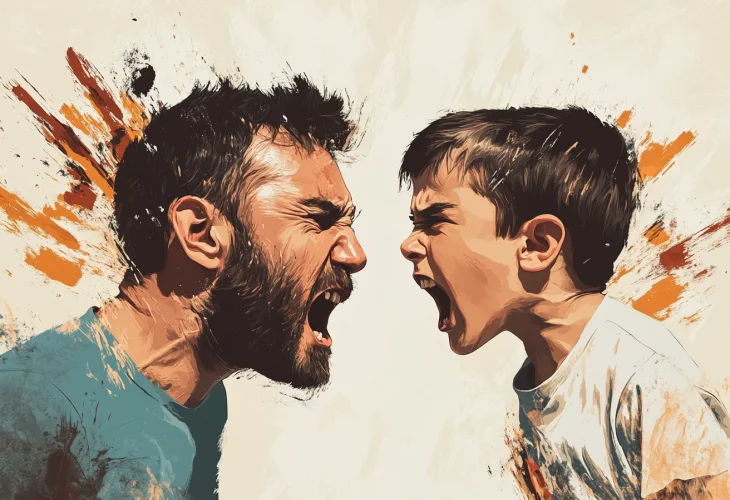
Every parent knows the frustration when a child begins to lose control, gets angry, shouts, and in more extreme cases even kicks, slams the door, or withdraws into themselves.
When this happens, a parent’s heart aches. Often, the parent also feels anger rising and wants to react without control. Yet specifically in these moments, the Torah teaches a wise and surprising lesson: do not respond with anger. Why? Not only because “one who becomes angry is ruled by all forms of Gehinnom,” but also because when we get angry, the child learns that anger is acceptable behavior.
Our sages say that one who becomes angry is likened to idol worship. This strong expression shows just how dangerous anger is. When a person is angry, they lose control and no longer act mindfully, but from a powerful negative emotion. If we allow ourselves to react just like the child, the boundary between educator and child disappears.
That is the real danger. The child, who is so precious to us, needs someone who remains steady when they are overwhelmed. If the parent joins the storm, who will guide the ship?
Understanding the Child’s Experience
It is important to understand that when a child is angry, they are not acting against us on purpose. The child is not “bad,” but overwhelmed by emotions they do not know how to regulate.
Often, they lack the emotional or verbal tools to express what they are truly feeling, and it comes out as anger.
An angry reaction from a parent only deepens the child’s sense of loneliness and frustration. A calm, composed response, even one that includes warmth and closeness, creates a completely different foundation for growth.
In those moments, the child learns that even when they feel overwhelmed, there is someone who will accept them, contain them, and guide them.
What to Do Instead of Getting Angry
Following are several approaches that can help you respond in a healthier and more effective way:
1. Pause and Breathe
Sometimes silence is the most educational response. Not silence as punishment, but silence as presence. You can say: “I see that you’re angry. Let’s wait a few minutes for things to calm down, and then we’ll talk.”
2. Ask Gently
Once things settle, avoid interrogating or lecturing. Ask: “Do you want to tell me what upset you so much?” or “How can I help you next time?” The goal is to guide the child toward emotional regulation.
3. Reflect Their Feelings
“It seems like you were really disappointed,” or “That felt unfair to you.” These kinds of statements reflect the child’s inner experience. When children learn this language from a young age, they are less afraid of their emotions and more able to express them in a healthy way.
4. Keep Loving
Even after a tantrum, a hug, a gentle look, and a calm conversation remind the child: “My love for you is not dependent on your behavior.” This is a love based on connection, not conditions.
The Power of Personal Example
Rabbi Israel Salanter said that when we want to educate children, we must begin with educating the parents. In other words, personal example matters most.
A child learns not only from what we say, but mainly from what we do.
A parent who responds calmly teaches self control.
A parent who shows respect teaches respect.
A parent who explains teaches communication.
What About Boundaries?
This does not mean allowing everything. Clear boundaries are necessary, and the child needs to understand that certain behaviors are not acceptable.
And yet, boundaries do not need to be enforced through shouting. The clearest boundaries are those expressed calmly and firmly. For example: “I won’t accept being spoken to like that. We can talk when you’re ready to be respectful.” “I’m here when you’re ready to speak differently.”
A Final Thought
In Judaism, a parent is not only an authority figure but also a role model. When we manage to stay calm through the storm, we are not only educating our child, but we are creating an emotional space in which they can grow in a healthy and mature way.
The next time your child becomes angry, ask yourself: what do they really need from me right now?
Most of the time, the answer will be calm, understanding, and a hug.

