

Wonders of Creation
From Break to Healing: How Bones Repair Themselves
The body knows how to heal itself. Discover the incredible process behind bone repair and recovery.
- Debbie Reichman
- | Updated
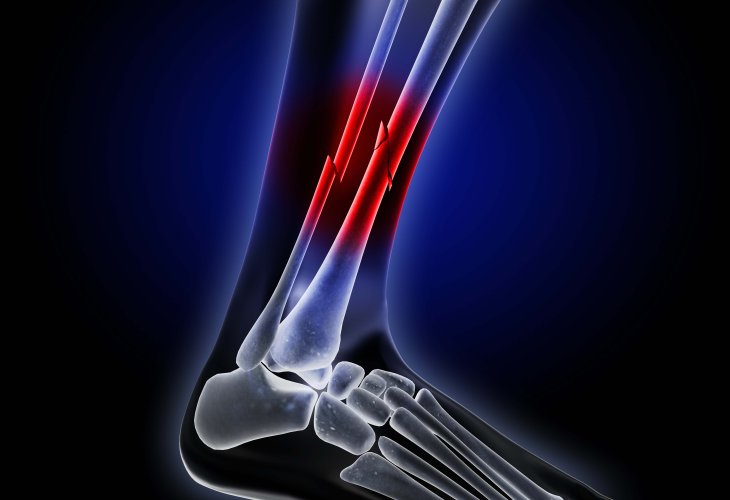 (Photo: Shutterstock)
The human body is built with incredible strength and precision. Our bones are strong, stable, and durable, allowing us to stand upright, move freely, and use our bodies in complex and coordinated ways.
And yet, even something as strong as bone can break.
When that happens, the body begins a remarkable healing process that reveals just how thoughtfully we were created.
What Happens When a Bone Breaks
Bones are not solid and lifeless. Inside them are tiny blood vessels that supply nourishment and keep the bone healthy.
When a bone breaks, these vessels are also damaged. This causes a small amount of bleeding in the area, which leads to the swelling we often see around a fracture.
This is not just a side effect. It is actually the beginning of healing.
The bleeding attracts special cells called macrophages, which release signals that encourage the body to begin rebuilding the bone.
The Body Begins to Rebuild
Shortly after the injury, a soft tissue known as a callus begins to form around the broken area.
At first, this callus is made up of cells and blood vessels. It acts like a natural bridge, connecting the broken pieces and stabilizing them.
Over the next several weeks, the callus begins to strengthen. Calcium is deposited into the area, and the tissue slowly hardens, turning into new bone.
From Healing to Strength
Within about six to eight weeks, the bone starts to fuse together more solidly. But the healing process does not stop there.
Over the following months, the bone continues to rebuild and reshape itself. Full recovery can take up to a year, as the body strengthens the area and restores it as much as possible.
Interestingly, the callus often remains at the site of the fracture, which can make the bone slightly thicker in that spot.
Why a Cast Is So Important
When a bone breaks, the pieces can shift out of place.
If they heal incorrectly, it can affect how the bone functions.
A cast helps prevent this. It holds the bone in the correct position, allowing it to heal straight and properly.
In many cases, a cast is worn for about six weeks, until the callus has formed and hardened enough to support the bone on its own.
When More Support Is Needed
For simple fractures, a basic cast or brace is usually enough.
However, in more complex cases, such as multiple breaks or bones that are badly misaligned, additional support may be needed.
Doctors may use internal fixation, placing screws or other devices to hold the bone in place while it heals.
Conclusion
Even when something as strong as bone breaks, the body does not give up.
Instead, it begins a careful and powerful process of repair, rebuilding itself step by step.
It is a reminder of the strength built into us, and of the incredible wisdom behind the way our bodies were created.

