

Raising Children
How to Teach Children Healthy Emotional Regulation
Practical parenting tools to help kids recognize, express, and manage their emotions for stronger mental and emotional well being
- Chen Tzur'el
- | Updated
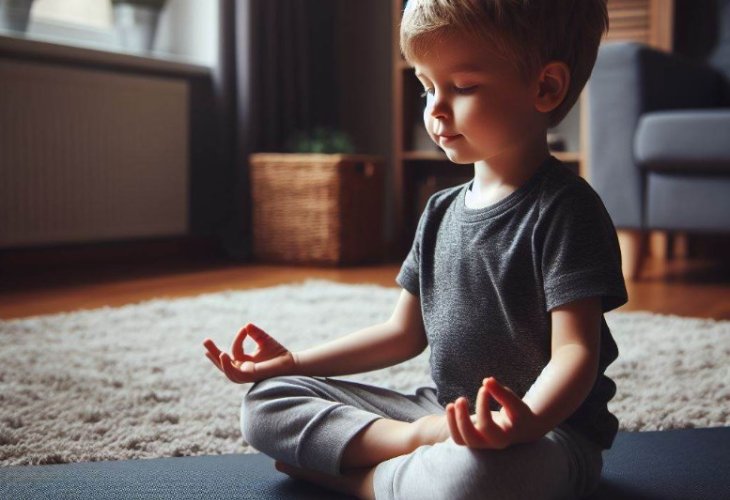
Emotional regulation is an essential life skill that every child needs to learn. In early childhood, children are still developing emotionally and socially, so it is especially important to teach them how to express feelings in a healthy and appropriate way.
When children know how to manage their emotions, they gain the tools they need to handle everyday emotional challenges. Here are several practical tools that can help parents teach this skill.
Understanding Their Own Emotions
The first step in learning emotional regulation is helping children understand and identify their own feelings.
They need to learn how to recognize emotions, name them, and understand what triggers different feelings. To help with this process, ask open ended questions and help them describe what they are feeling in words.
It can also be helpful to teach them to notice where they feel the emotion in their body and how strong it feels, whether it is irritation, fear, sadness, or joy.
Understanding Other People’s Emotions
Understanding the feelings of others is also an important part of emotional development.
Children should learn that their own emotions can affect other people, and that different people may feel different things in the same situation.
Help them identify emotions in the expressions and body language of others, and encourage them to be considerate of the needs and feelings of the people around them.
Practical Tools for Emotional Regulation
One of the most important things is to teach children practical tools for managing emotions.
For example, guide them in simple calming exercises such as taking a deep breath and counting to ten. This can help reduce feelings of anxiety, frustration, or anger.
Coping with Difficult Emotions
In everyday life, children may experience difficult feelings such as frustration, anger, or sadness. It is important to teach them how to deal with these emotions in a healthy and constructive way.
Help them understand the source of the feeling, encourage them to cooperate with others, ask for help when needed, and find positive outlets such as drawing, writing, or sports.
Managing Positive Emotions
Children should also learn how to handle positive emotions such as joy, excitement, and enthusiasm in a balanced way.
Teach them to share their happiness with others, celebrate their successes, and appreciate their own achievements and progress.
A Skill for Life
Emotional regulation is a vital skill for a child’s emotional and mental well being.
As parents, our role is to help children express their feelings in a healthy way, understand their own emotions and those of others, and equip them with practical tools for managing both difficult and positive feelings.
By doing so, we help them grow into balanced, calm, and emotionally resilient individuals.

