

Tehran rejects U.S. plan to end the war as "unrealistic, illogical, and excessive"
Tehran issued a statement responding to the U.S. proposal to end the war. Pakistan and Turkey again offered to mediate between Iran and the U.S., and Egypt joined the call on Washington to end the fighting.
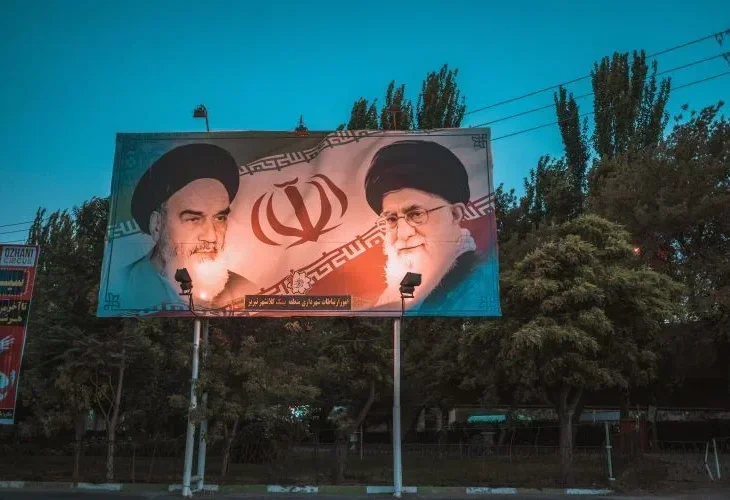 Khomeini and Khamenei on a roadside billboard in Iran (Photo: Shutterstock)
Iran's regime responded today (Monday) to the American proposal to end the war. According to Reuters, a statement from Iran's Foreign Ministry said the U.S. proposals to end a month of war in the Middle East are "unrealistic, illogical, and excessive".
Foreign Ministry spokesperson Esmail Baghaei said Tehran had received messages through intermediaries indicating Washington's willingness to negotiate. This followed a meeting yesterday in Islamabad of the foreign ministers of Pakistan, Egypt, Saudi Arabia, and Turkey to discuss mediation efforts.
However, Baghaei criticized the U.S. proposals, saying: "Our position is clear. We are under military aggression. Therefore, all our efforts and forces are focused on defending ourselves".
Meanwhile, a Pakistani security official said that at this stage it seems unlikely there will be direct talks between the U.S. and Iran this week. "We are doing our best to make it happen as soon as possible", the official added. Baghaei also said that Iran's parliament is considering the option of withdrawing from the Nuclear Non-Proliferation Treaty, which recognizes the right to develop, research, produce, and use nuclear energy as long as there is no pursuit of nuclear weapons.
As a reminder, U.S. President Donald Trump has repeatedly said in recent days that preventing Iran from obtaining a nuclear weapon is one of the reasons for the attack on Iran on February 28. Tehran, it should be noted, denies that it seeks a nuclear arsenal.

