

Raising Children
Social Anxiety: How to Help a Teen Who Comes Home Crying
How to recognize signs of social anxiety and isolation in teenage girls, the role of negative thinking, and discover practical ways to help your child
- Hidabroot
- | Updated
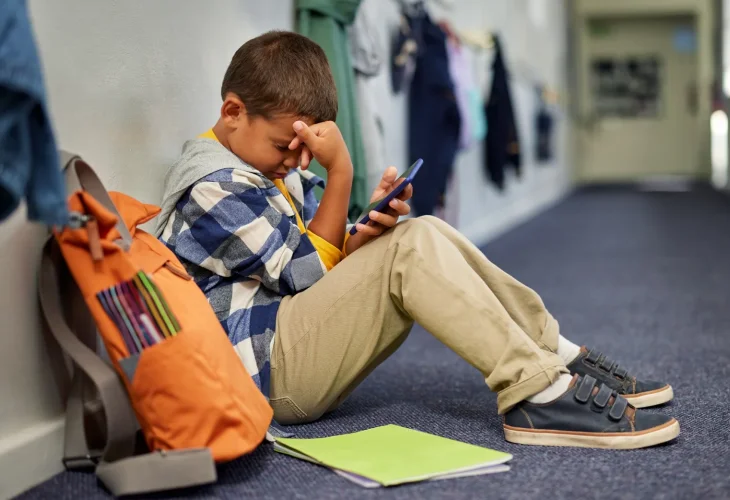 (Photo: Shutterstock)
My 15 year old daughter is having a very difficult time with social status and fitting in. She feels terrible and comes home from school crying. Is this a known phenomenon, and how can we help her?
* * *
From what you describe, this sounds like a situation of social isolation and emotional distress, and yes, it is a very well known and unfortunately quite common experience among teenagers.
Sometimes, this kind of ongoing distress may point to social anxiety, especially if she is constantly worried about how others see her, fears rejection, or avoids social situations.
Social anxiety disorder can make ordinary school interactions feel overwhelming.
The Role of Thoughts and Feelings
A large part of the current situation may be connected to the way she is interpreting what is happening.
When someone repeatedly thinks, “I am so miserable,” “nobody likes me,” or “I do not belong,” these thoughts can deepen the pain and make it harder to notice opportunities for connection.
Thoughts strongly affect emotions. The more she repeats painful beliefs to herself, the more trapped she may feel inside that reality.
In addition, inner feelings often show outwardly through body language. When someone appears very sad, withdrawn, or closed off, other people may sometimes hesitate to approach them, not because they dislike them, but because they are unsure how to connect.
How You Can Help Her
She can be gently encouraged to take small steps toward creating a warmer social presence.
This does not mean pretending to be someone she is not, but helping her project openness in ways that make others feel comfortable around her.
For example:
making eye contact
offering a small smile
sitting near girls she feels relatively safe with
starting with very small interactions, like one short comment or question
Most importantly, help her challenge the negative thoughts that lead to avoidance.
Instead of “everyone dislikes me,” help her question:
Do I know this for sure?
Could there be another explanation?
Is there one person who may actually be open to talking?
When Additional Support Is Important
If she is unable to shift these thoughts on her own, it would be a very good idea to seek support from a therapist, counselor, or school emotional support professional.
A good therapist can help her learn practical tools to change the current thinking patterns into more rational and supportive ones. Approaches like CBT (cognitive behavioral therapy) are often especially helpful for social anxiety in teens.
The important thing is that she should not feel that something is “wrong” with her. This is a treatable and very familiar challenge, and with the right support, things can improve significantly.

