

Raising Children
Helping at Home: Teaching Kids Responsibility the Right Way
Teaching kids to help at home builds confidence and responsibility. Discover practical ways to encourage them in a positive, lasting way.
- Chen Tzur'el
- | Updated
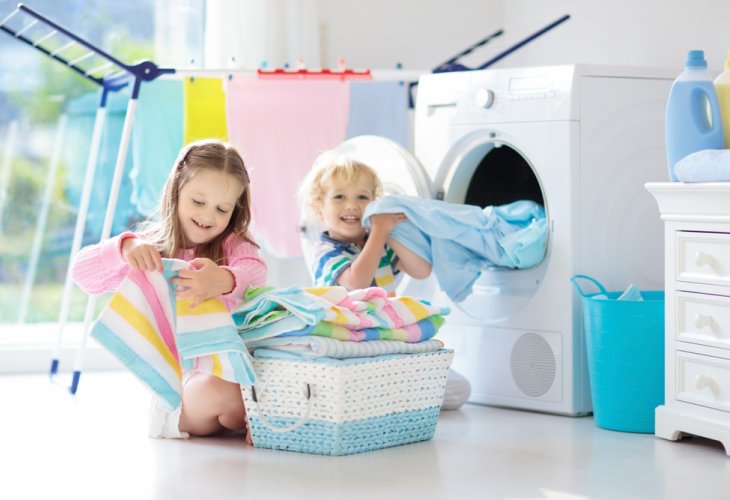 (Photo: Shutterstock)
One of our most important roles as parents is to prepare our children for independent, happy lives. A key part of that preparation is teaching them to take part in family life. When children feel they are contributing and helping at home, they develop a sense of responsibility, belonging, and confidence.
Helping at home is not just about getting tasks done. It is about raising children who feel capable, valued, and connected.
Make It Part of the Daily Routine
Children need to understand that helping at home is a natural and expected part of family life. The best way to achieve this is by making it part of their daily routine.
Set aside regular times for simple, age appropriate tasks, whether it is setting the table, tidying up toys, or helping with small chores. When responsibilities are consistent, children begin to take ownership and become more aware of the needs around them.
Lead by Personal Example
Parents are the strongest influence on their children’s behavior.
When children see their parents taking care of the home with a positive attitude, they learn that these tasks are meaningful and important. Whether it is preparing a meal, organizing a room, or doing laundry, your approach shapes how your child views responsibility.
When helping is done with willingness and calmness, children are more likely to want to join and feel part of the family team.
Encourage and Show Appreciation
When children begin to help, their effort matters more than the outcome.
Offer encouragement, say thank you, and notice what they are doing. Positive reinforcement helps children feel seen and valued, and it motivates them to continue contributing.
It is also important to show interest in your child beyond their responsibilities. When they feel appreciated as individuals, their willingness to help grows naturally.
Create a Positive Home Environment
Children are more likely to participate when the home atmosphere is warm and supportive.
Explain household expectations in a clear and simple way, and help them understand why these responsibilities matter. At the same time, invest in connection. Spend time together, listen to your children, and create moments of closeness.
When children feel emotionally connected, they are more motivated to take part in family life.
Build a Gradual Plan for Growth
Helping at home is a skill that develops over time.
Start with small, manageable tasks and gradually increase responsibility as your child grows. Allow children to choose between different tasks when possible. This gives them a sense of involvement and independence.
A gradual, flexible approach helps children build confidence and a lasting sense of responsibility.
Raising Children Who Contribute With Joy
Teaching children to help at home is not a one time lesson. It is an ongoing process that combines routine, example, encouragement, and connection.
When children feel they are part of a team and that their efforts are valued, they are more likely to participate willingly and with a positive attitude.
In the end, we are not only teaching children to help at home. We are teaching them how to take part in life with responsibility, confidence, and joy.

