

Iran's Leadership in Disarray: Paralysis, Paranoia, and Scrambled Responses
U.S. and Israeli intelligence point to a breakdown in decision-making in Tehran as fear of eavesdropping breeds distrust, hobbles coordination, and pushes regional commanders to act on their own.
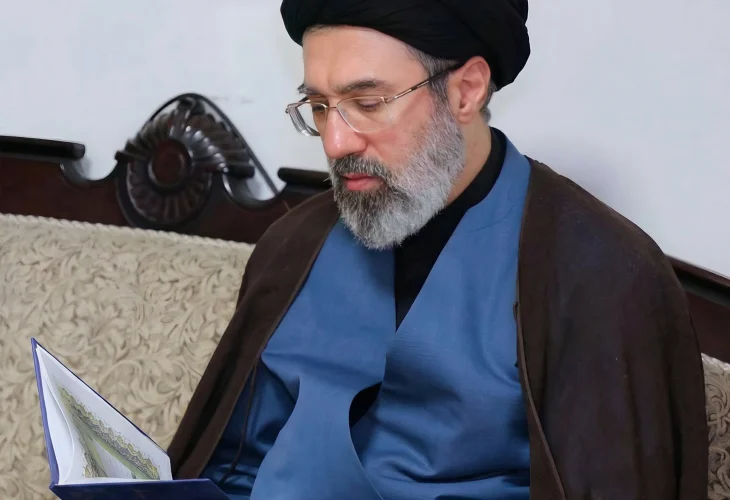 Khamenei (Credit: shutterrstock)
An overnight report (Monday into Tuesday) in the "New York Times" paints an unusual picture at the top of Iran's regime: a splintered leadership, a damaged chain of command, and real difficulty making decisions and coordinating broad responses. According to U.S. intelligence assessments, the sustained hits to Tehran's ruling echelon have created deep paralysis in decision-making mechanisms.
According to the report, severe communication problems inside Iran have led to confusion and paranoia among senior officials who survived the initial strike at the start of the month. Fear of eavesdropping by Israeli and American intelligence has pushed senior figures to avoid phone calls and even face-to-face meetings, worried they could become the next targets. Intelligence officials say the atmosphere in government is one of mistrust and deep suspicion, to the point of almost total avoidance of using communication tools.
Meanwhile, it is unclear how much real control Supreme Leader Mojtaba Khamenei holds. Some believe he serves largely as a figurehead, while decisions are in practice being made by the leadership of the Islamic Revolutionary Guard Corps.
The damage to command-and-control is showing up operationally as well. Iran is struggling to launch large, coordinated salvos of missiles; instead, regional commands are acting on their own, with little to no coordination between them. Even so, American officials note that this decentralized model is not entirely new—it relies on infrastructure built before the war that allows field commanders to make decisions without constant guidance from Tehran.
American officials also say Tehran's leadership is having trouble forming a clear position on U.S. proposals: "Iranian envoys may simply not know what their government is willing to give up—or even whom they should ask," the assessment says. Israeli officials compared the situation to the communication problems seen in the negotiations for the release of hostages in Gaza, where messages moved slowly and awkwardly through outside intermediaries.

