

Raising Children
Blended Families: Raising Children in a Second Marriage
Building a second marriage with kids is complex. Learn how to create stability, connection, and a healthy home for everyone.
- Nissan Lebron
- | Updated
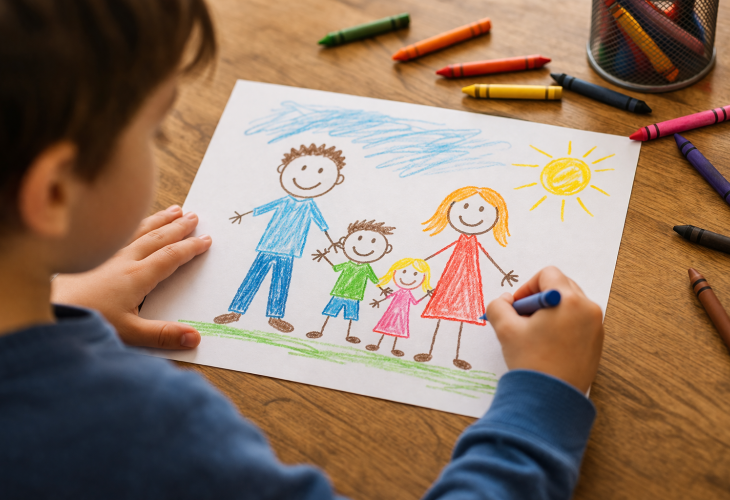 (Photo: shutterstock)
Children need loving parents and a warm, stable home where they can develop emotionally and build the values that will guide them later in life. By nature, children are sensitive and vulnerable, and they require extra care, attention, and protection.
This raises an important question. How does this reality play out in second marriages, especially when children are part of the picture from the very beginning?
Second marriages can bring renewal and hope. At the same time, they introduce unique challenges that require awareness, patience, and thoughtful guidance.
The “Third Element” in the Relationship
In a first marriage, a couple begins their life together on a relatively blank slate. They build their relationship gradually, and when children arrive, they grow into parenthood together over time.
In a second marriage, the situation is very different. The couple does not start alone. They enter the relationship with children already present, which immediately adds complexity.
Children naturally observe the relationship between the couple, and their presence can make it more difficult for the couple to build privacy and emotional closeness. In addition, the relationship between a parent and a child is very different from the relationship between a stepparent and a child, which often requires more time and effort to develop.
What Children May Be Feeling
Children entering a new family structure are not simply adjusting to change. They are navigating a range of complex emotions.
They may feel distance from the new parent, uncertainty about their place in the family, and a sense of loss regarding the relationship they once had with their biological parent. There may also be jealousy, especially when they feel that their parent’s attention is now being shared.
At the same time, they may miss the parent who is no longer living with them, along with the familiarity of their previous home, school, or environment.
These emotions can lead children to seek more attention from their biological parent, often at a time when that parent is also trying to invest in building a new marriage. This tension can be especially strong with older children, who are more aware and may express their feelings more intensely.
Children may also experience practical and emotional challenges, such as adjusting to new routines, sharing space and belongings, navigating relationships with step siblings, and feeling different from their peers.
The Ongoing Bond With the Other Parent
For most children, the ideal of their parents being together does not easily disappear.
Even when they understand the reality of divorce or loss, there is often an internal conflict between loyalty to their biological parent and the need to accept a new parental figure.
For children of divorce, time spent with the non-resident parent can reinforce the sense of separation. For children who have lost a parent, accepting a new parent may feel, on some level, like a betrayal of the one they lost.
These inner tensions can continue even after years of living in the new family structure.
Natural Bias Toward Biological Children
It is natural for parents to feel a stronger instinctive bond with their own children.
In second marriages, this can unintentionally lead to imbalances. A parent may devote more attention or energy to their own children, not out of intention, but out of habit and emotional closeness.
At the same time, statements like “my children come first” can create feelings of inequality within the home.
Without awareness, these dynamics can lead to tension, resentment, and a sense of unfairness among children.
A healthy family environment requires effort to ensure that all children feel seen, valued, and treated with care, even within the natural complexity of these relationships.
Balancing Marriage and Parenting
Some individuals enter a second marriage primarily for the sake of their children, hoping to provide them with stability or restore a sense of family.
While this intention is understandable, it can sometimes come at the expense of the couple’s relationship. When the partnership itself is not given enough attention, emotional distance and tension may develop between the spouses.
Over time, this can affect the entire home environment.
On the other hand, when a couple invests in building a strong, healthy relationship, the benefits extend to the children. A stable and positive partnership creates a sense of security and allows both partners to parent more effectively.
Children in such a home not only receive more warmth and support, but also gain a positive model for their own future relationships.
Building a Strong Foundation
Second marriages with children require patience, awareness, and ongoing effort.
By understanding the emotional world of the children, maintaining fairness, and strengthening the couple’s relationship, it is possible to build a home that supports everyone involved.
While the challenges are real, so is the potential. With the right approach, a second marriage can become a source of growth, healing, and stability for both parents and children.

