

Raising Children
When Kids Struggle Silently: 9 Signs Every Parent Should Know
Kids speak even when they’re quiet. These nine subtle signs may be your child’s way of asking for help.
- Shira Dabush (Cohen)
- | Updated
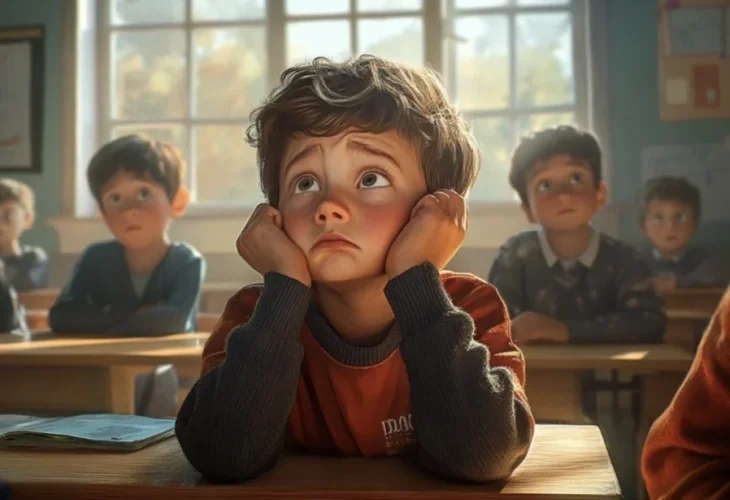
As parents, we do everything we can to give our children love, security, and what they need to grow. But in the rush of daily life, it is easy to miss the quieter signals. Sometimes, a child is struggling but cannot clearly explain what they feel.
Children do not always express themselves with words. Instead, their behavior, reactions, and even physical symptoms can tell the story. Learning to notice these signs can help you respond with care and understanding.
Here are 9 signs your child may be trying to tell you something important.
1. Frequent Tantrums
If your child reacts strongly to small frustrations, it is not always about defiance or poor behavior. Tantrums can be a way of expressing emotional overload, frustration, or exhaustion. Often, it is a sign that your child needs help managing big feelings.
2. Changes in Eating Habits
A sudden loss of appetite or overeating can point to stress, insecurity, or emotional discomfort. When there is no clear physical reason, changes in eating can reflect what is happening beneath the surface.
3. Withdrawing From Others
If your child suddenly prefers to be alone, avoids friends, or becomes quiet in social situations, they may be dealing with anxiety, low confidence, or a difficult experience they have not processed.
4. Constant Restlessness
High energy does not always mean a child simply has a lot of energy. Sometimes, restlessness can be a way of coping with inner discomfort or a need for attention and connection.
5. Troubling Questions or Statements
Pay close attention if your child asks questions like, “Does anyone care about me?” or makes negative statements about themselves. Even if said casually, these words can reflect deeper feelings that need attention and support. In such cases, it is important to take the child seriously and consider seeking guidance.
6. Returning to Younger Behaviors
Behaviors like clinginess, baby talk, or bedwetting can appear when a child feels insecure or overwhelmed. This kind of regression is often a sign that they are seeking comfort and reassurance.
7. Ongoing Physical Complaints
Frequent headaches, stomachaches, or fatigue without a clear medical cause can sometimes be linked to emotional stress. When children cannot express what they feel, the body may express it for them.
8. Dark or Disturbing Drawings
Children often express themselves through creativity. Repeated drawings with sad or heavy themes may be a way of communicating feelings they cannot put into words. It is important to notice patterns and respond with sensitivity.
9. Sudden Changes in School Performance
If a child who was once engaged and motivated begins to struggle, forget tasks, or lose interest, it may point to emotional challenges or social difficulties at school. A sudden shift is often a signal worth exploring.
Listening Between the Lines
The most important message is not always spoken out loud. Children often communicate in indirect ways, and it is up to us as parents to notice, listen, and respond with care.
If you recognize one or more of these signs, there is no need to panic. It does not mean you have done something wrong. It means you are paying attention. Start by opening a gentle conversation, offering reassurance, and, when needed, reaching out for professional support.
Your awareness can make all the difference in helping your child feel seen, understood, and supported.

