

Wonders of Creation
The World’s Biggest Waves: Beauty and Danger
How do waves grow to the height of buildings? Explore the science, danger, and beauty of the world’s most powerful ocean waves.
- Rabbi Avraham Ohion
- | Updated
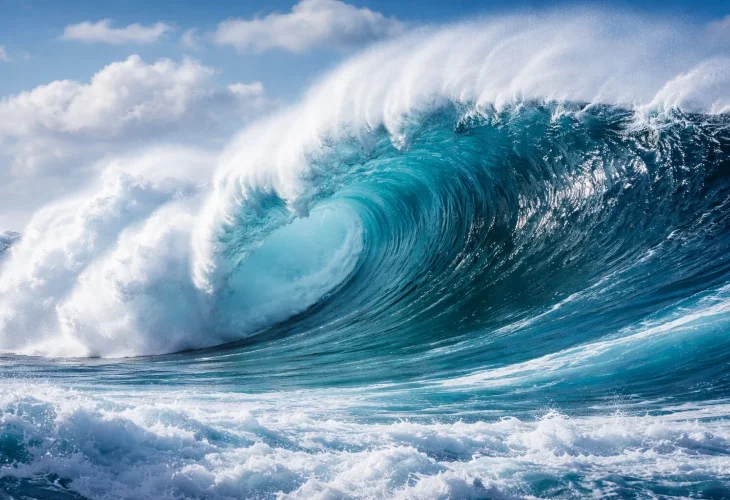
Whether you are at a beach in California, Florida, or even along the shores of Israel, waves are part of the summer experience. We jump over them, play in them, and enjoy the rhythm as they roll toward the shore.
In Israel, strong waves can raise a “black flag,” warning swimmers to stay out of the water. But even those waves are modest compared to the massive swells found in other parts of the world. Along major ocean coastlines, waves can rise to incredible heights, revealing a level of power that is both breathtaking and dangerous.
How High Can Waves Really Get?
In recent years, scientists have begun measuring wave heights using advanced technology. While waves in Israel usually reach just a few meters, in other parts of the world they can grow more than five times higher.
The tallest wave ever recorded reached an astonishing height of about 30 meters. It was observed off the coast of Portugal along the Atlantic Ocean, during a powerful storm that began near Britain. At that height, the wave was comparable to a 10 to 12 story building.
The Thrill and Risk of Chasing Giant Waves
For some, these waves are not just a natural wonder, but a challenge.
Surfers and adventure seekers travel the world in search of the biggest waves. They train for years, pushing their limits to ride these towering walls of water. For them, it is the ultimate test of courage and skill.
But the danger is very real. These waves can be unpredictable and powerful enough to cost lives.
Top Destinations for Massive Waves
Certain locations around the world are known for producing large, consistent waves that attract surfers year-round.
Indonesia
An island nation with more than 17,000 islands, Indonesia offers ideal tropical conditions. The island of Bali alone is home to many beaches with long, powerful waves that can stretch over 200 meters.
Costa Rica
Located in Central America, Costa Rica features long coastlines with strong and steady waves, making it a favorite destination for surfers.
Sri Lanka
This Southeast Asian island has warm weather year-round and is known for fast, high waves. Many of its waves form “barrels,” creating a thrilling ride for experienced surfers.
The Maldives
Situated southwest of Sri Lanka, the Maldives are surrounded by coral reefs and atolls. These natural formations create excellent conditions for strong, fast-breaking waves.
Tahiti
In the heart of the Pacific Ocean, Tahiti is famous for its heavy and powerful waves, especially at a location known as Teahupo’o. These waves form far from shore and crash with incredible force, creating a breathtaking and dramatic display.
Understanding Different Types of Waves
Waves come in many forms, each with its own structure and behavior.
Some spread out horizontally, while others rise more sharply and focus their energy in one place. Their size and movement are influenced by wind, ocean currents, and other physical factors such as frequency and wavelength.
Researchers study these patterns carefully in order to better understand wave behavior and reduce risks for ships and swimmers.
The Mystery of Freak Waves
Among the most fascinating and dangerous types are freak waves, also known as monster waves.
These are unusually large waves that appear suddenly in the open ocean, without warning. Even large ships that can withstand regular waves may not survive a freak wave, which can rise up to 30 meters high.
The force of such a wave is enormous, with pressure reaching up to 100 tons per square meter. Within minutes, it can cause severe damage or even sink a large vessel. This may explain some mysterious shipwrecks that occurred without an obvious cause.
Unlike tsunamis, which are caused by underwater earthquakes and become dangerous near shore, freak waves occur in the open sea and are limited to specific areas.
What Causes These Giant Waves?
Research suggests that freak waves often form where strong ocean currents move against the direction of incoming waves. One example is the southeastern coast of Africa.
However, since these waves have been observed in many different locations, scientists believe there are additional factors involved. The full explanation is still not completely understood.
A Reminder of Nature’s Power
From playful summer waves to towering walls of water in the open ocean, waves remind us of both the beauty and the power of nature.
They invite us to enjoy, explore, and admire, but also to respect the immense forces at work beneath the surface.
Understanding them better not only deepens our appreciation of the world, but also helps keep us safe.

