

Raising Children
When “Good Job” Isn’t Enough for Your Child
Children need more than attention, they need to feel seen. Discover how small moments shape their confidence and emotional world.
- Rabbi Zamir Cohen
- | Updated
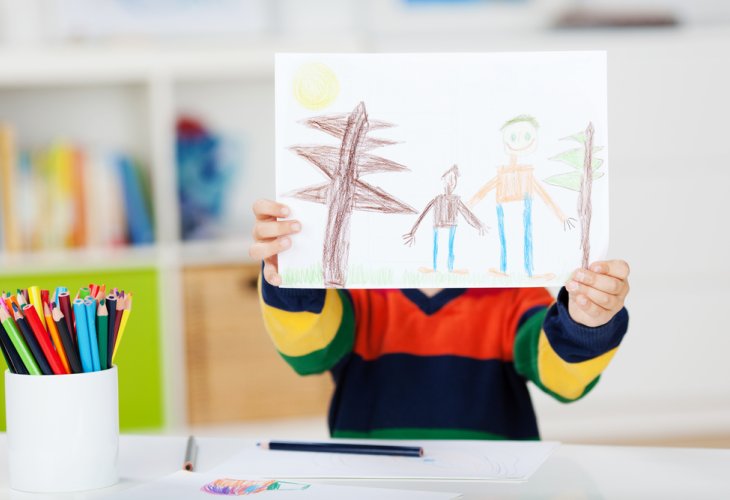 (Photo: shutterstock)
Many parents are confident they give their children warm, loving attention.
“There’s no way I don’t encourage my child,” they think. “Of course I compliment and support them.”
But is that always how it feels to the child?
A Small Moment With a Big Impact
Imagine a young child coming home from preschool, proudly holding up a drawing.
“Mom, look what I made!”
The mother, tired after a long day, arrived home just a few minutes earlier and is now busy washing dishes. Without turning fully, she glances briefly and says, “How nice.”
From her perspective, she responded. She gave attention.
But from the child’s perspective, the experience may feel very different.
Even if he says nothing and walks away, inside he may be thinking, “Mom didn’t really look at my drawing.”
A more expressive child might even say it out loud: “But Mom, you didn’t even look.”
And deep inside, a painful message can begin to form: “Maybe I’m not that important.”
When It Becomes a Pattern
If this kind of response repeats itself, the child may slowly stop sharing.
Without genuine interest, without real attention, he may turn inward. He may begin to keep his experiences to himself.
Meanwhile, the parent may feel confused.
Why is my child withdrawn? Why is he sad? Did something happen at school?
What may be missing is not discipline, not structure, but something much simpler: a sense of being truly seen.
Sending the Right Message
Of course, parents cannot always drop everything in the moment. Life is busy, and responsibilities are real.
But even then, the message we send matters.
Instead of a distracted response, a parent can say:
“I really want to see your drawing. I’m so excited to look at it. My hands are busy right now, but give me a minute and then we’ll sit together.”
This tells the child: You matter. What you did matters.
And just as important, the parent must follow through.
Giving Full Attention
When the parent finishes and turns to the child, that moment should be real.
Sit down. Look carefully at the drawing. Notice the details. Ask questions. Smile.
And most importantly, show genuine excitement.
In that moment, the child feels something powerful: “Mom sees me. Mom cares about me.”
A warm response, a kind word, even a hug, can build a child’s confidence in ways that last.
The Power of Encouragement
Children need more than quick compliments. They need to feel admired, valued, and loved.
When a parent expresses appreciation with warmth and sincerity, the child gains confidence and naturally wants to share more.
This kind of connection strengthens the relationship and builds emotional security.
This Doesn’t End in Early Childhood
Although this example comes from early childhood, the same principle applies at every age.
Whether a child brings home a school project, a test grade, a certificate, or shares something meaningful from their day, the response matters.
A parent’s genuine interest and enthusiasm can bring a child to life.
A Moment That Shapes a Child
In the end, it is not the big gestures that shape a child most, but the small, everyday moments.
When a child feels seen, heard, and appreciated, they grow with confidence, openness, and joy.
And those moments, repeated over time, build a relationship that will stay strong for years to come.

