

Wonders of Creation
The Marvels of the Human Digestive System: A Journey Through Your Gut
How the digestive system breaks down food, fights harmful bacteria, protects the stomach lining, and reveals the remarkable intelligence of the human body
- Rabbi Zamir Cohen
- | Updated
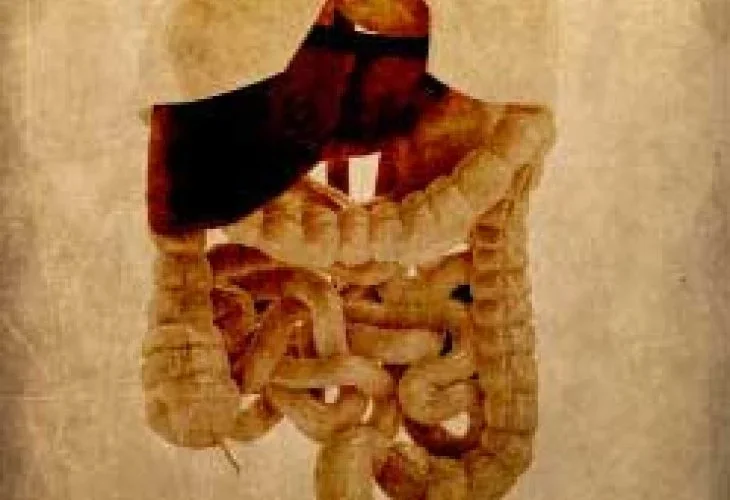
The digestive system is one of the most remarkable systems in the human body. It is designed to interact constantly with the outside world. Every day, we introduce a wide variety of substances into our stomachs, and yet the body manages to digest food efficiently without digesting itself. How does this extraordinary system protect its own internal tissues while processing everything we eat?
To better appreciate this wonder, it helps to first consider other systems in the body that also maintain critical boundaries with the outside environment.
The Body’s Protective Barriers
A clear example is the skin. The skin acts as a protective envelope that shields us from harmful external elements. When it is damaged by cuts, burns, or pressure sores, the body becomes vulnerable to infection.
The lungs offer another example. Every breath introduces air, chemicals, viruses, and bacteria into the respiratory tract. Yet the lining of the airways contains an immune defense system that helps prevent infection. When this protective mechanism is weakened — as in certain immune disorders such as leukemia or congenital deficiencies, the lungs become far more susceptible to dangerous infections.
The Extraordinary Defense System of the Digestive Tract
If these protective systems are impressive, the digestive system is even more extraordinary.
Unlike the skin, which keeps foreign substances out, the digestive tract is specifically designed to allow substances in. Three times a day, we intentionally introduce large quantities of non-sterile food into the body. If similar materials were introduced into any other internal space, severe infection could quickly result. Yet under normal circumstances, we do not become ill every time we eat.
How is this possible?
The first line of defense is stomach acid. The stomach secretes powerful acid that creates a hostile environment for most harmful bacteria. In effect, every meal receives an acid bath. Remarkably, certain beneficial bacteria are able to survive this environment — microorganisms that are not harmful and may even support our health.
The second protective mechanism is movement. After food is churned in the stomach, it moves into the intestines, where rhythmic muscular contractions continuously push it forward in a carefully regulated process. This constant motion helps prevent harmful bacteria from settling and multiplying.
A third defense mechanism is mucus. The lining of the digestive tract secretes a protective mucus layer that functions like an antibacterial shield. Alongside this, a specialized immune system within the digestive tract deploys lymphocytes and antibodies to identify and eliminate harmful invaders.
How the Stomach Protects Itself
One of the most fascinating questions is how the stomach avoids digesting its own tissues.
The answer lies largely in its protective mucus lining. This layer shields the stomach wall from the powerful acids and digestive enzymes it produces. Within this mucus are protective factors that prevent the stomach’s own cells from being broken down.
This same protective system serves a dual purpose: it blocks harmful invaders from entering while simultaneously preserving the integrity of the digestive organs themselves.
The Science of Digestion
The digestive process is a highly coordinated chemical operation.
Food is composed primarily of carbohydrates, proteins, and fats. The body must break these down into smaller units that can be absorbed:
carbohydrates into sugars
proteins into amino acids and peptides
fats into smaller fat molecules
This breakdown depends on enzymes which are biochemical tools that function like microscopic scissors and precision instruments. The pancreas plays a central role by releasing these enzymes into the small intestine, where most chemical digestion occurs.
The small intestine, which can reach four to six meters in length, completes this process by reducing large, complex molecules into small absorbable units that can pass through the intestinal wall into the bloodstream.
The Important Role of the Large Intestine
After nutrients are absorbed in the small intestine, the remaining material moves into the large intestine, where several critical processes take place:
water is reabsorbed
beneficial bacteria continue breaking down leftover material
certain vitamins are produced
waste is compacted for elimination
The bacteria in the large intestine are not merely tolerated — they are beneficial. They help process substances the body itself cannot digest, such as certain plant fibers, and they produce short-chain fatty acids that nourish the intestinal lining.
Diarrhea occurs when the large intestine cannot properly absorb water.
Under normal conditions, the large intestine absorbs most of the fluid that reaches it. If the intestinal lining becomes inflamed or damaged due to infection or irritation, this absorption process is disrupted, causing excess fluid to be expelled.
Stomach Protection and the Risk of Aspirin
Some medications, such as aspirin, can interfere with the stomach’s protective mechanisms.
Although aspirin can be medically beneficial, it may reduce the production of prostaglandins, which are molecules that help preserve the stomach’s mucus barrier. When this barrier weakens, stomach acid can damage the lining and lead to ulcers and even bleeding.
Digestion and Appetite: The Role of the Brain
A common misconception is that body weight is determined primarily by the stomach.
In reality, appetite and satiety are largely controlled by the brain. The central nervous system regulates hunger signals and determines when we feel satisfied. This delicate balance is what helps maintain stable body weight over time.
When this regulatory system is disrupted, weight gain or difficulty controlling appetite may occur.
A Final Reflection
The digestive system is far more than a mechanical food-processing tube. It is a highly sophisticated system of protection, absorption, immune defense, chemical transformation, and neurological regulation.
Every meal we eat sets into motion an astonishing series of coordinated events, many of which we never feel or notice.
The more medicine and technology reveal about the human body, the more clearly we see the extraordinary precision with which it functions.

