

Wonders of Creation
The Science of Animal Domestication
Discover the six key conditions that make animal domestication possible, why donkeys became one of the earliest domesticated animals, and why zebras remain wild despite their similarity
- Debbie Reichman
- | Updated
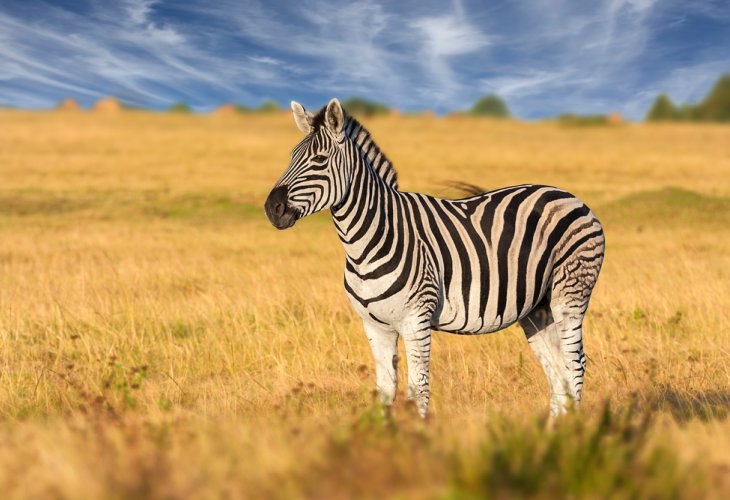 (Photo: shutterstock)
Animal domestication is the process by which animals undergo changes that allow them to live alongside humans and serve various human needs. This process has taken place throughout all generations. For example, throughout history, humans have ridden animals such as horses and donkeys, while cows have been used for milking and other agricultural purposes.
The Main Purposes of Domestication
There are several reasons why humans domesticate animals. Sometimes the purpose is to keep and herd them, making it easier to provide food and care. In other cases, animals are domesticated for companionship, as with dogs and cats.
In most situations, however, the primary purpose is practical use. Animals have been used for transportation, for operating agricultural machinery through their physical strength, for their meat as food, and for their products such as milk, eggs, and honey. Their by-products are also valuable for other uses, including wool, silk, wax, and leather. Some animals have even served communication purposes, such as carrier pigeons.
The Six Conditions Required for Domestication
Research shows that six essential conditions are generally required for an animal to be suitable for domestication:
Flexible diet – The animal must be able to survive on various types of food, and its diet should be relatively inexpensive.
Rapid maturity – It must grow and mature quickly so that its population can increase efficiently and losses can be replaced.
Ability to breed in captivity – The animal must be able to reproduce under captive conditions. Animals such as pandas or cheetahs, for example, do not breed easily in captivity and therefore are not well suited for domestication.
Gentle temperament – Only animals with a calm nature and that are not dangerous to humans can be domesticated. They also should not be easily frightened.
Adaptable social hierarchy – The animal must be able to recognize humans as the highest authority rather than the natural leader of its herd or pack.
Herd instinct – Animals that naturally live in groups are easier to gather and manage in enclosed spaces.
Why Donkeys Were Domesticated but Zebras Were Not
Donkeys naturally meet all of these conditions, which is why they were among the earliest animals domesticated for human use. Their temperament, social behavior, and adaptability made them ideal for transportation and labor.
The zebra, by contrast, is an aggressive animal that is easily startled and capable of killing even a lion with a single kick. For this reason, zebras have never truly been domesticated, and in most cases, they cannot be ridden.

