

Wonders of Creation
How Cheese Is Made: From Milk to Blue Cheese, Hard Cheese, and Cottage Cheese
Discover the fascinating process of cheese making, how different cheeses get their unique taste and texture, and the surprising history behind cottage cheese and blue cheese
- Debbie Reichman
- | Updated
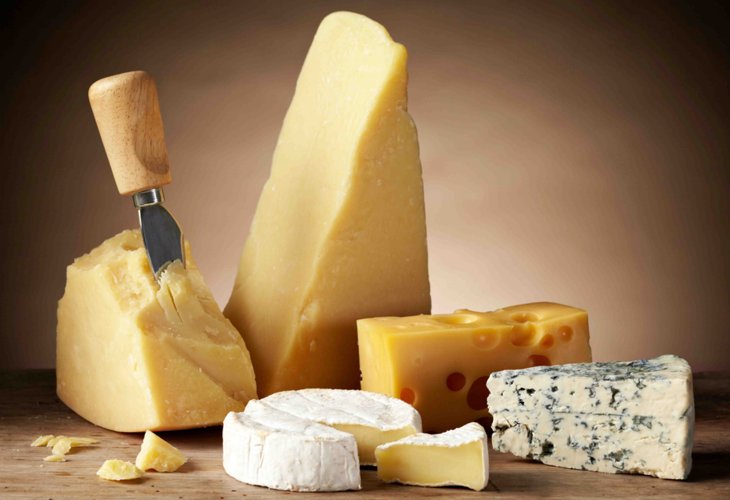 (Photo: shutterstock)
How is cheese made? The answer to this seemingly simple question is actually quite complex, because there is no single type of cheese and no single method of production.
There are hundreds of kinds of cheese. For example, in France alone, around 400 different types of French cheeses are produced. That is before even mentioning the many Dutch cheeses and countless others from around the world.
At the heart of cheese making is the process of separating the fat and protein in milk from its water content. This separation is carried out using different methods, including enzymes, acids, and even bacteria.
After this stage, each type of cheese goes through its own unique process that gives it its distinctive color, flavor, aroma, and texture.
Hard Cheeses and Their Protective Coating
Some cheeses are especially interesting in the way they are prepared.
Hard cheeses, for example, are often coated with a thick outer layer. This layer is actually wax, usually orange or red, designed to preserve the cheese and help it remain edible for a long time.
This protective coating helps prevent drying out and shields the cheese during aging and storage.
The Story Behind Blue Cheese
Blue cheeses, often considered particularly fine and flavorful, have an especially fascinating story.
These cheeses develop mold as part of the production process.
In specific types of cheese and under carefully controlled conditions, the bluish mold gives the cheese its rich and distinctive flavor. Although the smell is not always pleasant and the appearance may seem unusual, this mold is what makes blue cheese so prized by many people.
The Interesting History of Cottage Cheese
Originally, cottage cheese was made specifically from the leftovers of skim or partially spoiled milk that remained after butter had been churned from the cream.
As cottage cheese spread to different parts of the world, its texture, curd size, and moisture level were adapted to local tastes.
For example, in Israel, people generally prefer cottage cheese that is moist and made with small curds, while in the United States, larger and drier curds are more common.

