

Magazine
Hiding from the Nazis: From Fear to a Life of Faith and Art
At five, Tamar Hirschl fled for her life, endured imprisonment, hunger, and hiding, and rebuilt in Israel, holding on to hope until her art carried her forward.
- Michal Arieli
- | Updated
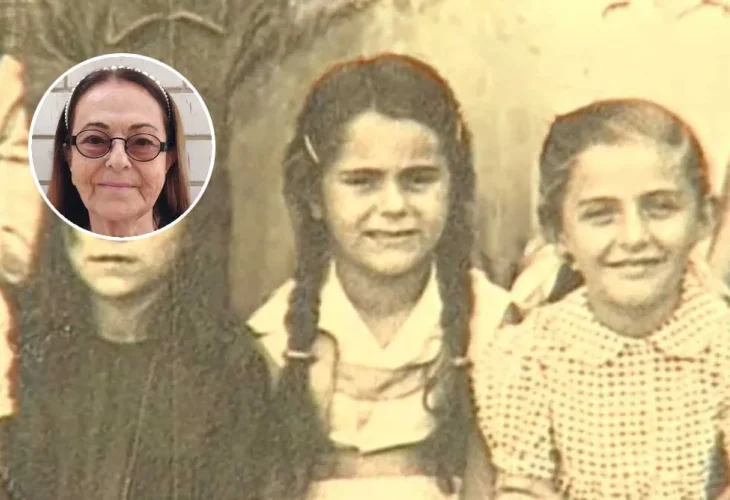 In the center of the photo: Tamar Harishl as a child in 1947. In the circle: Tamar today
“No one can truly understand what we went through in those days,” 87 year old Tamar Hirschl shares at the start of our conversation. Her words are steady and vivid, every detail etched into memory. As she recounts her story, it becomes clear that this is not only a story of survival, but of resilience, faith, and an unbreakable spirit.
From the perspective of a small child, Tamar learned very early that the world could be terrifying, and that sometimes silence was the only way to stay alive.
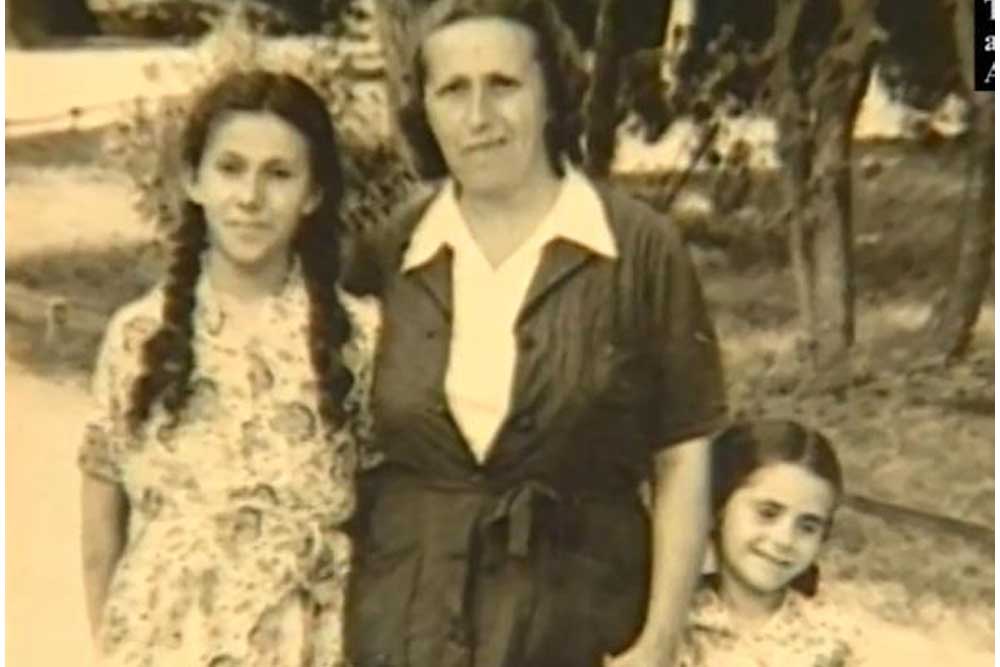 From right: Tamar with her mother and sister
A Childhood Marked by Fear
“My first memory is not a hug, it is fear,” Tamar begins.
She was born in 1936 in Zagreb, Croatia. When she was just four years old, her father was arrested in the town square simply for being Jewish and wearing the yellow star. He was sent to the notorious Jasenovac camp, where he survived for years due to his skills as an electrician. Tragically, he was murdered just one week before liberation.
“I do not remember my father at all,” Tamar says quietly. “From as far back as I can remember, it was just my mother, my older sister, and me. We were always together.”
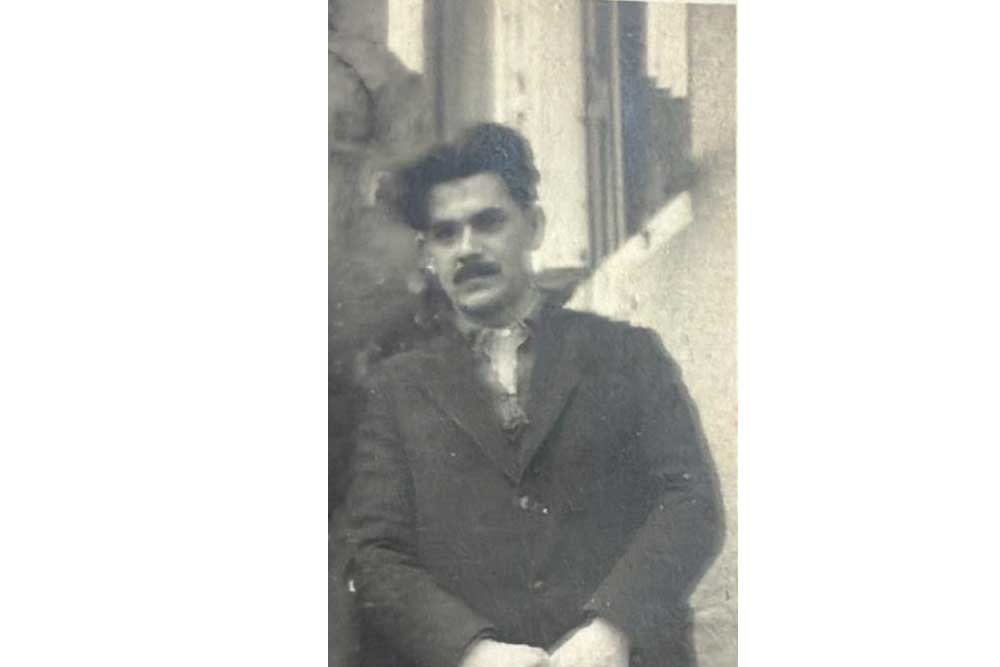 Tamar's father, 1934
Despite the growing danger, Tamar briefly attended kindergarten and was known as a bright and cheerful child. But as conditions worsened, her mother made a bold and life saving decision. She would flee.
Escape, Capture, and Survival
Tamar’s mother attempted to smuggle the family to Switzerland, where a relative had agreed to take them in. Their journey began on a fragile raft toward Budapest. But upon arrival, they were betrayed and handed over to the authorities.
They were imprisoned for a year in a detention center for women and children.
“The conditions were unbearable,” Tamar recalls. “We were crowded into a dark building. If anyone tried to look outside, they were punished severely. There was constant violence.”
Food was scarce, mostly thin soup with a few potatoes. Sanitation was almost nonexistent. “We used a rusty barrel as a toilet,” she says. “We had almost no clothing. My mother spent her days mending socks for the guards.”
That skill would ultimately save them.
When the time came to transfer prisoners to Auschwitz, one guard who appreciated her mother’s work quietly told them to leave. With nothing but the clothes on their backs, they walked out.
For months, they wandered from place to place, sleeping outdoors or in animal shelters. “We were always afraid,” Tamar says. “Whenever someone approached, we would hide in ditches or pipes.”
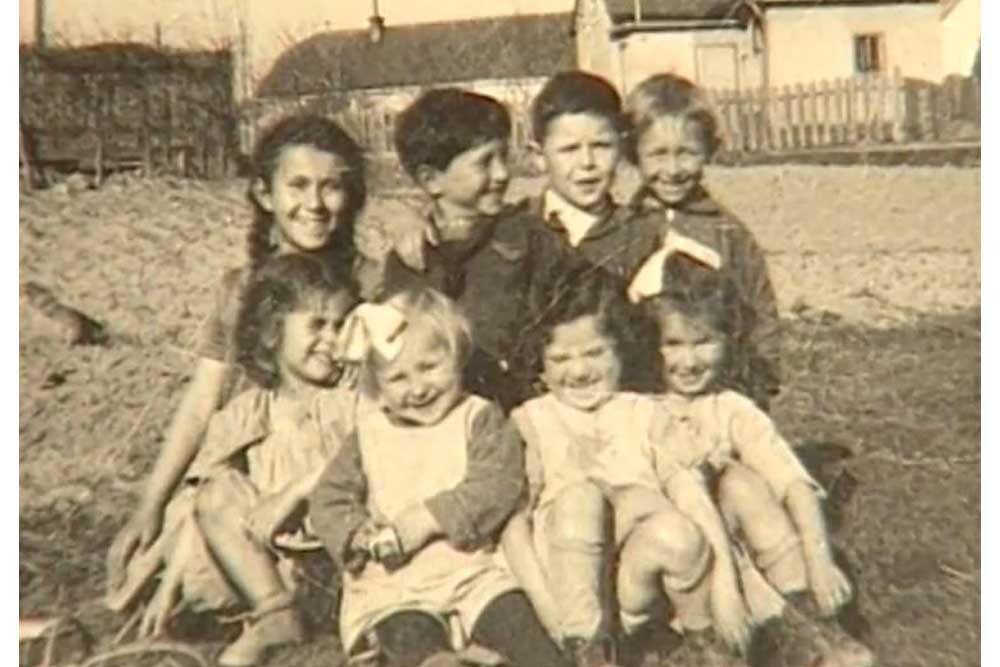 Bottom left: Tamar, above her is her sister Zamira, 1945
Hiding in Darkness
When they finally returned to Zagreb, they found their home occupied by others. Fearing exposure, they moved into a relative’s basement.
Above them was a Nazi youth club.
“We lay in the dark for hours, hearing them shout and laugh,” Tamar remembers. “Every sound felt like danger.”
Even after the war ended, the fear did not disappear. Antisemitism remained strong. Tamar recalls being excluded at school and treated differently simply for being Jewish.
Still, she continued studying and rebuilding her life alongside her mother and sister.
Rebuilding and Moving Forward
For several years after the war, the family remained in Croatia under communist rule, unable to immigrate to Israel. The Jewish community slowly began to rebuild, though only a small fraction had survived.
Eventually, in 1948, the opportunity came.
“We arrived in Israel and were immediately sprayed with DDT,” Tamar recalls. “They cut off my braid, which I had never cut before. It was very painful for me.”
The family stayed in a transit camp before moving into permanent housing. Tamar entered school, despite not knowing Hebrew.
“I only knew one word, ‘rega’ meaning ‘wait,’” she says. “I communicated by drawing.”
Those drawings revealed a hidden gift.
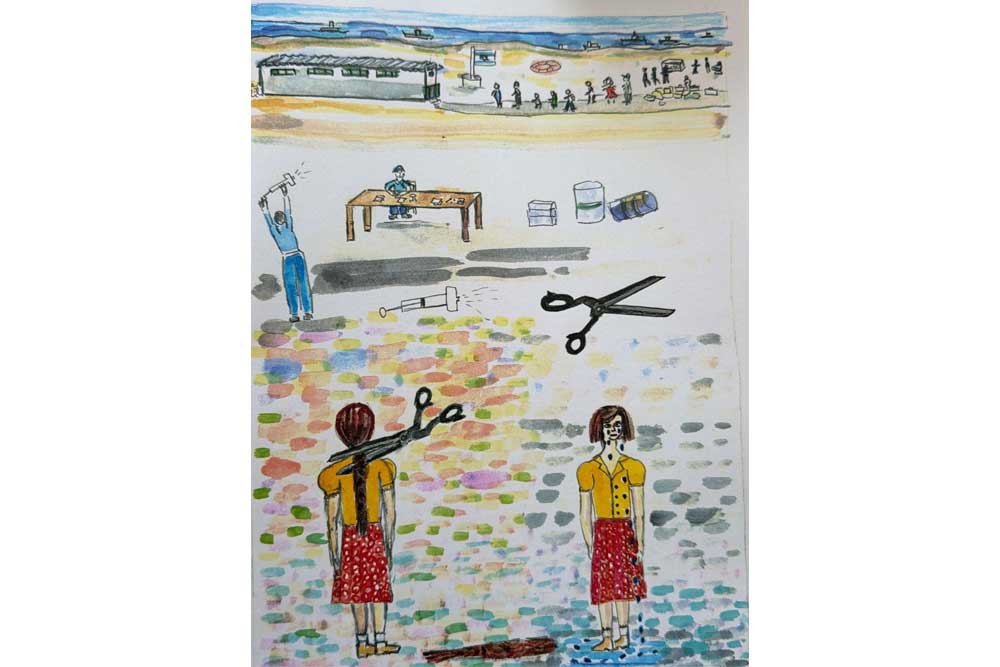 A traumatic moment: cutting her braid after arriving in Israel
Discovering Strength Through Creativity
Tamar began to realize her talent for art. Despite working from a young age to support her family, she continued to develop her skills.
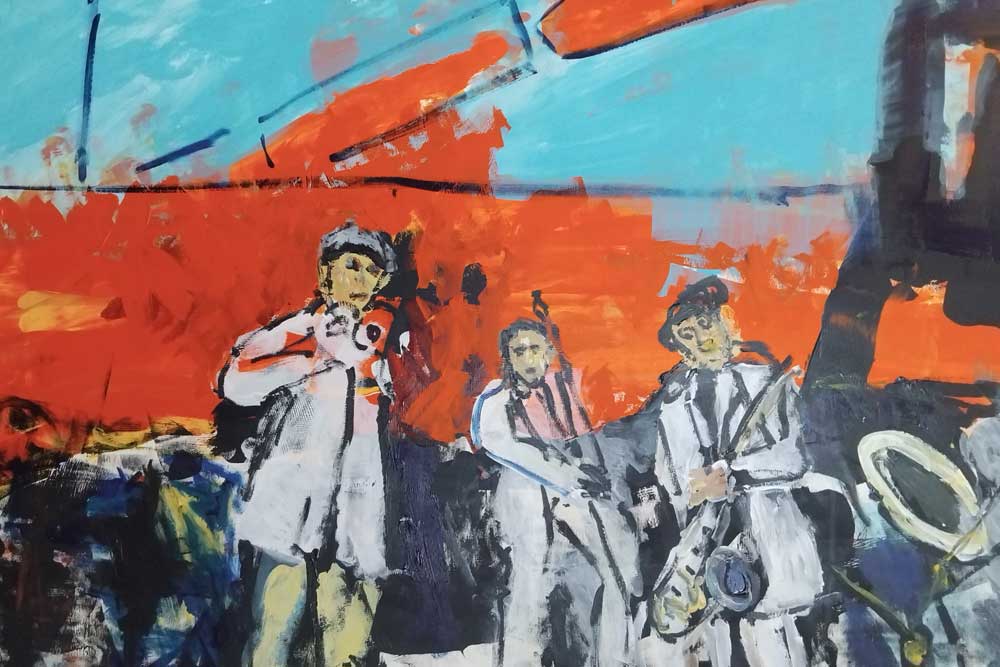 Tamar’s artwork: filled with optimism and joy
She later studied art formally in Tel Aviv and at Bezalel, eventually showcasing her work in exhibitions around the world, including in New York, Philadelphia, and even at the White House.
Her artwork reflects two worlds. Some pieces are filled with color and optimism, while others document the pain and memories of her childhood.
Yet through it all, one message remains constant.
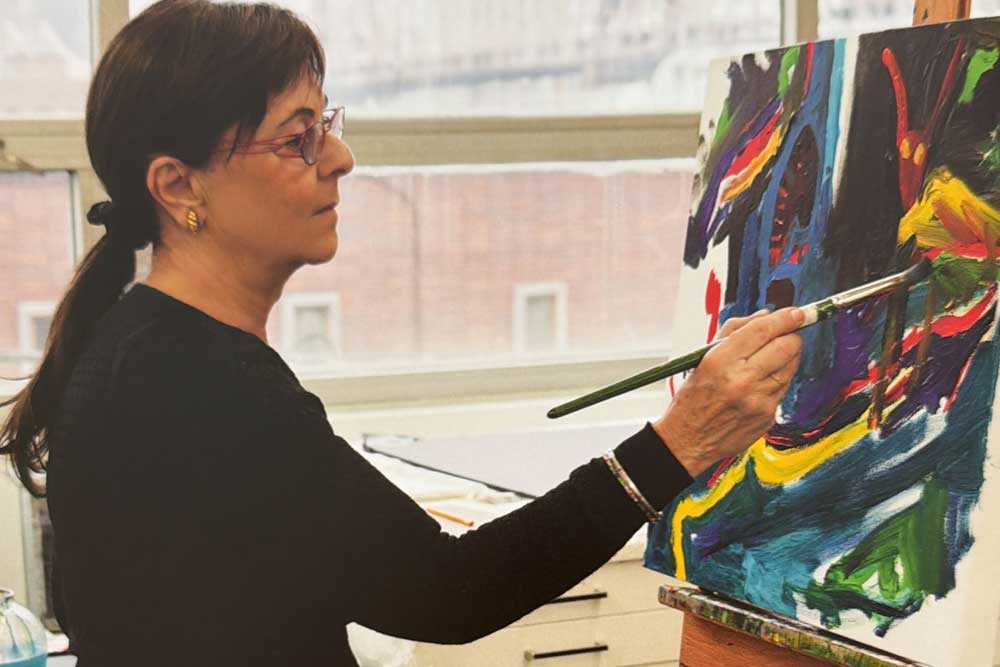 Tamar painting, continuing to create with hope and strength
Holding On to Faith and Hope
“My mother always told me, ‘You will get out of this. You will still achieve and learn,’” Tamar says. “That sentence gave me strength my entire life.”
Despite everything she endured, Tamar never lost her faith.
“I never lost hope,” she concludes. “I believe there is a higher power watching over us. That belief carried me through, and it continues to guide me today.”
Her story is not only a testimony of survival, but a powerful reminder of the strength of the human spirit, the importance of faith, and the ability to rebuild even after unimaginable darkness.

