

Raising Children
Educate or Control: What Are We Really Doing as Parents?
Are we raising children who choose what’s right, or just obey out of pressure? Discover the difference between real education and control.
- Pnina Leshem
- | Updated
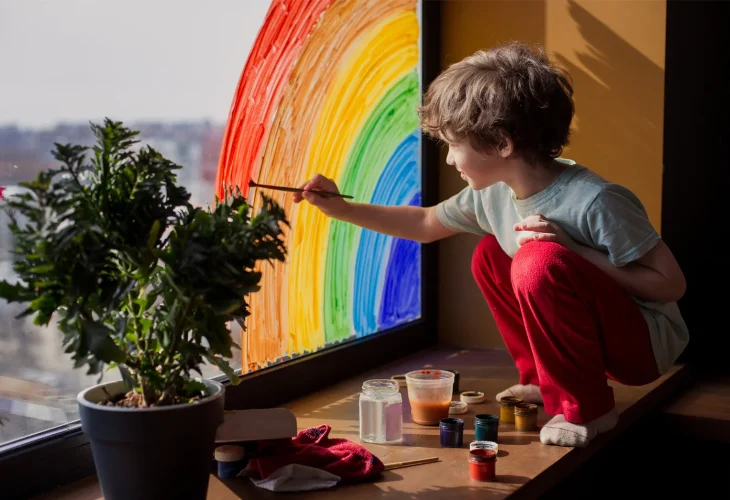 (Photo: Shutterstock)
Parents are meant to educate. We all know that.
But what does it actually mean to “educate”? And how do we really do it?
When I ask parents to define education, many give similar answers. “It means making sure the child does what needs to be done.” “It means getting the child to meet expectations.” “A good parent makes sure their child studies, listens, behaves, and follows the rules.”
At first glance, that sounds right.
But is it really education?
When Education Becomes Control
In practice, many parents who think this way end up focusing on controlling behavior.
They use rewards and consequences. A treat, a compliment, or a prize when the child behaves as expected. Scolding, punishment, or pressure when the child does not.
And yes, this often produces a child who appears well behaved. A child who listens, follows instructions, and meets expectations.
But that is not true education.
That is training.
The Difference Between Training and Education
Training focuses on external control. The child behaves in a certain way because of what they will gain or what they want to avoid.
But education is something deeper.
Think about an adult who greets a strict boss every morning with a forced smile, saying “Good morning” out of fear. Would we call that good manners?
Or imagine someone who behaves nicely only to gain favor or receive a reward. That is not true character. It is simply a calculation of benefit and loss.
The same is true for children.
When a child behaves properly because they want to, because they understand and believe in what they are doing, that is education.
But when they behave the same way out of fear or pressure, that is not education.
What Happens Over Time
When children feel they have no choice, they may meet expectations for now.
They appear obedient and disciplined. Everything looks right on the surface.
But what happens later?
There comes a point when the child grows up. Rewards lose their appeal. Pressure loses its power. And then the child begins to act based on their own choices.
If we want those choices to be positive, we must help children develop an inner desire to do what is right. They need to understand the value of their actions and feel connected to them.
That is what stays with them into adolescence and beyond.
Signs of Training Instead of Education
Sometimes what we call “education” is actually just training.
For example, shouting at a child for using inappropriate language. Mocking a child for a low grade. Offering rewards every time a child agrees to do something positive.
These methods may work in the moment, but they do not build inner motivation.
What It Looks Like in Real Life
You may see a child who behaves well because they are afraid of punishment. A child who goes to synagogue only because they are forced. A child who cleans their room only when there is a reward waiting.
These are not signs of true education. They are signs of external control.
Real Education
Real education means helping a child grow from within.
It means guiding them to understand, to care, and to choose the right path because they believe in it.
That takes more patience. More awareness. More intention.
But it is the only way to raise children who carry those values with them, even when no one is watching.
Educate your children.
For real.

