

Raising Children
Tu Bishvat and Parenting: 5 Powerful Lessons to Raise Strong, Resilient Children
Discover meaningful, practical ways to teach values, patience, individuality, and responsibility
- Orit Groskot
- | Updated
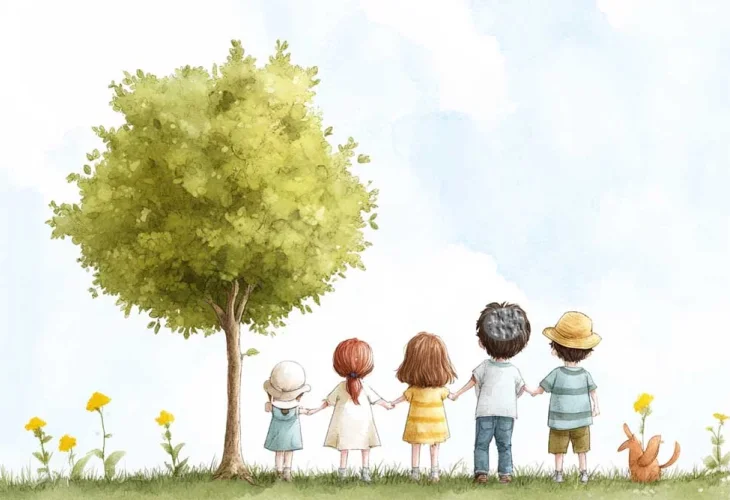
Tu Bishvat, beyond being the New Year for Trees, is filled with meaning and insight related to raising children. “For man is like the tree of the field” (Devarim 20:19) — a person is compared to a tree, whose growth depends on a healthy environment, strong roots, and ongoing care. The same is true in parenting: children need patience, consistency, and nurturing to grow into individuals who are deeply connected to their heritage and values.
Following are five meaningful and practical ideas you can discuss with your children while sitting together at the Tu Bishvat table:
Planting Strong Values and Roots
Just as a tree needs fertile soil and strong roots to grow, children need stable values and a supportive environment. As parents, our role is to instill values such as respect for God, respect for parents and teachers, perseverance, and a love for the land.
Ask your children: What does it mean to respect parents and teachers? How should that look in everyday life?
Teaching Patience and Perseverance
Trees do not grow overnight — they require years of care and dedication. So too in raising children: “According to the effort is the reward” (Pirkei Avot 5:23).
Ask your children to describe how they feel “watered” by their parents. What actions make them feel nurtured and cared for? Be prepared for answers that are both sweet and surprising.
Caring for the Environment
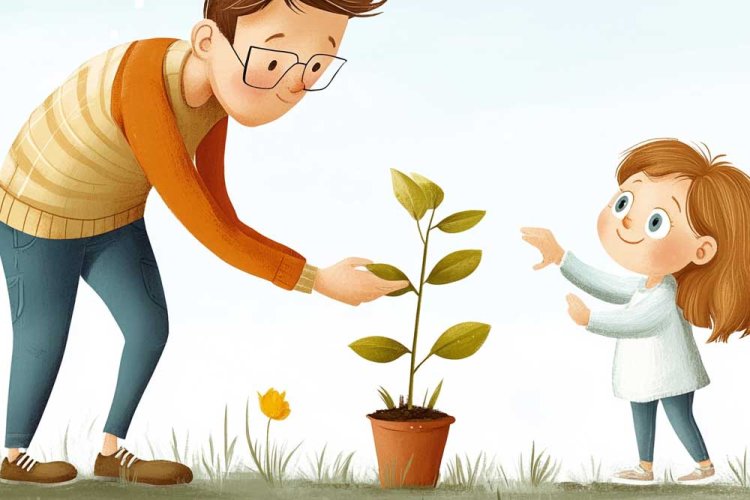
Tu Bishvat is a wonderful opportunity to teach children responsibility toward the world around them. The Torah teaches “Do not destroy” (Devarim 20:19), reminding us not to waste or damage resources unnecessarily.
You can talk about practical examples: recycling machines in your neighborhood, different colored bins and what they represent, and brainstorm together simple ways to protect your environment.

Nurturing Individual Growth
Every tree grows in its own unique way, with different fruits and characteristics, and so does every child. Our sages taught: “Just as their faces are different, so too are their opinions” (Berachot 58a). As parents, we must recognize and nurture each child’s individuality.
Sit with your children and ask each one to describe in one sentence what makes them special. You may be surprised by their thoughtful and creative responses.
Building a Sense of Community
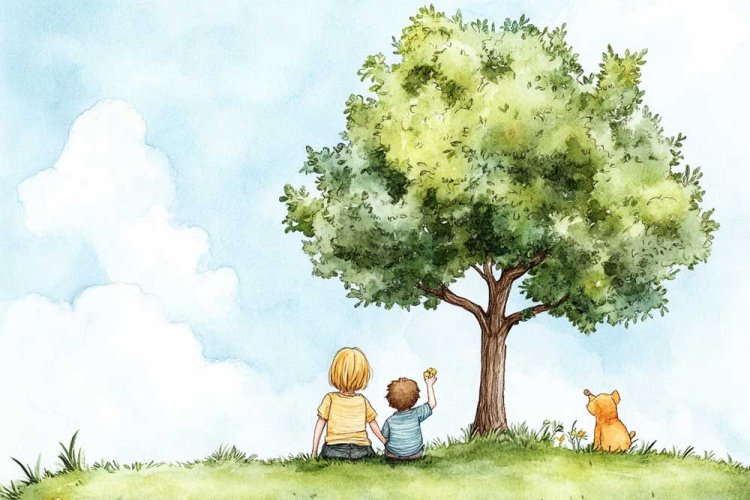
Just as many trees together create a thriving forest, so too each individual contributes to the growth of the community. “All of Israel are responsible for one another.”
Talk with your children about helping others. Ask them to share examples of kindness or teamwork they’ve seen, in school, at home, or among friends.
Raising children is a journey of planting, nurturing, and growth. Tu Bishvat offers a beautiful opportunity to reflect on this process through the lens of values and tradition. Every investment we make today will bear fruit in the future.
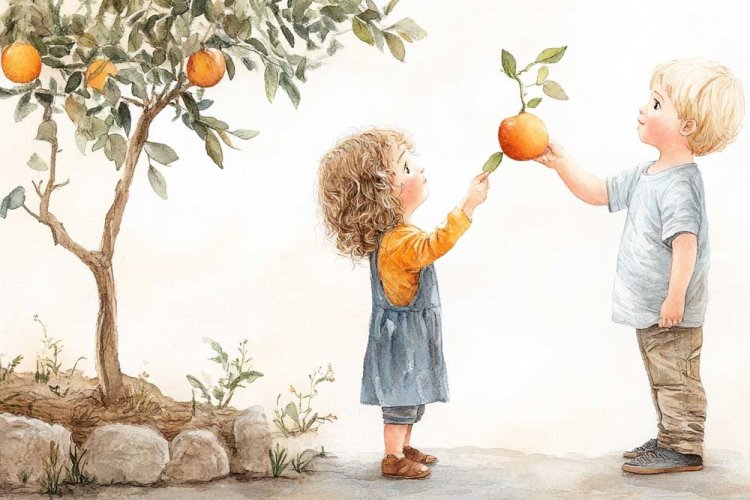
Using these ideas as a starting point for open and meaningful conversations will not only enrich your children, but also give you a glimpse into their unique and beautiful inner world.

