

Yom HaZikaron (Memorial Day)
Yom HaZikaron 2026: How to Navigate Israel's Memorial Day
Yom HaZikaron brings a nation to a standstill. Understand the emotions, traditions, and ways to navigate Israel’s day of remembrance.
- Moriah Chen
- | Updated
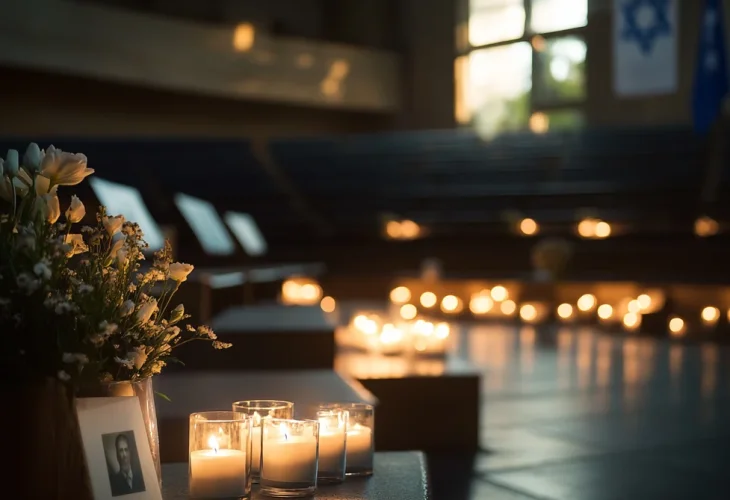
Israel’s Memorial Day for fallen soldiers and victims of terror, known as Yom HaZikaron, is one of the most emotional days on the Jewish calendar. It is a time when personal grief and national memory come together, creating a powerful and often overwhelming experience. As the day begins tonight, many enter a space filled with both deep pain and a strong sense of connection. Even for those outside of Israel, understanding this day offers a meaningful glimpse into Israeli society and its core values of sacrifice, unity, and remembrance.
The Emotional Weight of Yom HaZikaron
Yom HaZikaron affects people on several levels at once. On a personal level, families who have lost loved ones often feel their grief return with intensity, as ceremonies and public remembrance bring the loss back into focus. At the same time, many others feel connected to that pain, even without direct loss, simply because of how present it is in Israeli life.
The national atmosphere also plays a powerful role. The country slows down, the tone shifts, and even those who are not fully aware of it can feel the emotional weight of the day.
Common Feelings on Memorial Day
The emotions of Yom HaZikaron are often mixed and complex. There is sadness and mourning, alongside anxiety that can be heightened during times of tension. At the same time, many people feel a deep sense of belonging and unity, as well as an appreciation for the sacrifices that made Jewish life in Israel possible.
For some, the intensity of the day can feel exhausting. Others may quietly struggle with feelings of guilt, wondering whether they are responding in the “right” way, even though there is no single correct response.
How Bereaved Families Cope
For bereaved families, this day brings a unique challenge. There is no one way to cope, but many find strength in allowing themselves to feel whatever arises, whether it is sadness, anger, or even moments of comfort.
Planning the day in advance can help create a sense of stability, whether that includes attending ceremonies, visiting graves, or choosing who to spend time with. Some families prefer privacy, while others find comfort in sharing memories publicly, and both approaches are meaningful.
Support groups, professional guidance, and personal family rituals can also provide a sense of structure and connection during such an emotionally intense time.
How the Wider Public Can Navigate the Day
Even those who are not directly bereaved may find Yom HaZikaron emotionally challenging. Acknowledging that difficulty is an important first step, especially when feelings may be unclear or unexpected.
Attending memorial ceremonies can help provide a framework for the day, while learning about the lives of those who were lost can bring deeper meaning to the experience. At the same time, it is important to find balance. If media coverage feels overwhelming, it is okay to step back and limit exposure.
Some people also find meaning in small acts, such as reaching out to others or taking part in remembrance in a personal way.
Supporting Bereaved Families
Many people want to support bereaved families but are unsure how. Often, simple presence is what matters most. A short message or quiet acknowledgment can carry real meaning.
Saying the name of the person who was lost can also be powerful, as it reassures families that their loved one is remembered. At the same time, it is important to respect each family’s needs, as some may want company while others prefer space.
Offering specific help, rather than general offers, can make it easier for families to accept support during a difficult day.
Helping Children Understand
Children experience Yom HaZikaron differently, depending on their age and understanding. It is important to explain the day in a way that feels appropriate and not overwhelming.
Encouraging questions, allowing space for emotions, and offering simple ways to express feelings, such as drawing or writing, can help children process what they are experiencing. Maintaining a familiar routine can also provide a sense of security.
The Transition to Independence Day
One of the most unique aspects of life in Israel is the rapid shift from Yom HaZikaron to Yom HaAtzmaut, Israel’s Independence Day. Moving from mourning to celebration can feel emotionally confusing, and that is completely normal.
Some people ease into the transition gradually, while others connect deeply to its meaning. The shift reflects the connection between loss and the existence of the state itself, and each person navigates that in their own way.
The Strength of Unity
Despite the pain, Yom HaZikaron also reveals something powerful. It highlights the deep connection within Israeli society and reinforces values of sacrifice, responsibility, and care for one another.
As the day begins tonight, the challenge is to hold both memory and life. To remember those who were lost, to honor their families, and to continue building a life filled with meaning.
Perhaps the greatest way to honor their memory is not only to remember, but to live in a way that reflects what they stood for.

