

Raising Children
Social Struggles in Preschool: Helping Your Child Find Their Place
“My child says no one wants to play with him.” Here’s how to respond, understand what’s really happening, and help your child feel included.
- Shira Dabush (Cohen)
- | Updated
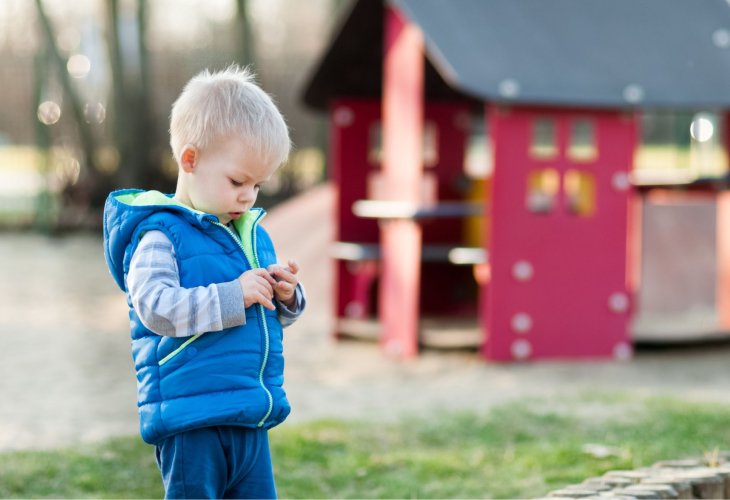
Dr. Ada Becker, an educational consultant with over 20 years of experience in early childhood education, was asked a common but painful question: how can parents help a child who struggles to join other children in play, even when he is naturally sociable?
A mother named Osnat shared her experience after attending a preschool birthday party with her son. “One-on-one, my child plays beautifully,” she explained. “But the moment two children are already playing and he wants to join them, and they don’t include him, he steps aside with a hurt look. He says, ‘They don’t want to play with me.’ I encouraged him to take initiative and join the game, but he kept insisting they didn’t want him.”
This raises an important question many parents face: what should you say in that moment, and how can you help your child build confidence in social situations?
Understanding What’s Really Happening
Talia, a parent coach, explained that situations like this often require a deeper look. One of the first steps she recommends is speaking with the preschool teacher to understand how the child functions in a group setting.
Parents can ask simple but important questions. Does the child participate in activities? Does he play with a variety of children or stick to just one friend? Do other children seek him out? Has he experienced rejection, and how did he respond? Is there a difference between how he behaves indoors and outdoors?
These questions can reveal patterns that are not always visible in a single moment, like a birthday party.
What the Teacher Revealed
When Osnat approached the teacher, the answers were reassuring but also surprising. Her son was described as well behaved, engaged, and respectful toward others. He participated in activities and knew how to stand his ground when needed.
However, one key detail stood out. Because he often arrived late to preschool, he missed the morning playtime, which is an important window for social connection. As a result, he sometimes started his day feeling disconnected from the group.
Another factor was fatigue. On days when he arrived tired, his statement “they don’t want to play with me” may have reflected emotional overwhelm rather than actual rejection. The teacher also noted that separation from his father in the morning was often difficult, which affected his ability to settle into the day.
At the same time, the teacher emphasized that the child did have a group of friends. He played regularly with children his age, especially during outdoor play, where he felt freer and more expressive. In fact, his absence was noticed when he wasn’t there, a strong sign of belonging.
Building the Skills to Join In
Talia explained that while the child clearly has social connections, he may still need guidance in one specific area: how to join an existing game.
This is a skill that many young children need to learn. It does not always come naturally, even for sociable kids. Parents can help by practicing with their child in real-life settings, such as playgrounds or small group playdates, where there are already children engaged in an activity.
You can gently guide your child with simple strategies, such as suggesting ways to approach the group or offering words he can use. Practicing these moments in advance can give him tools to rely on when he feels unsure.
Strengthening Confidence Through Success
Just as important as practice is reinforcement. When a child successfully joins a game or navigates a social challenge, it is important to acknowledge that effort.
Help him see what he accomplished. Let him feel that he overcame something difficult. This builds confidence and encourages him to try again in the future.
It can also help to prepare him before social situations. A short reminder of past successes, such as “remember how you joined the game last time,” can give him the confidence to approach the situation differently.
Small Adjustments, Big Impact
Sometimes, small changes can make a significant difference. In this case, arriving earlier to preschool could help the child ease into the day, connect with peers, and start from a place of confidence rather than disconnection.
When children feel settled and included from the beginning, they are more likely to approach social situations with openness and resilience.
Helping a child navigate these moments is not about forcing interaction, but about giving them the tools, confidence, and emotional support to find their place. Over time, these small steps can lead to stronger friendships and a deeper sense of belonging.

