

"Even the Strong Can Break": A Mother Turns Grief into a Lifeline for Soldiers with PTSD
After months of reserve combat in Gaza, Eliran Mizrahi z"l came home changed. His mother, Jenny, now fights to save soldiers living with severe PTSD—"It’s an injury like losing a limb. Nothing will bring back my son, but I want to save others."
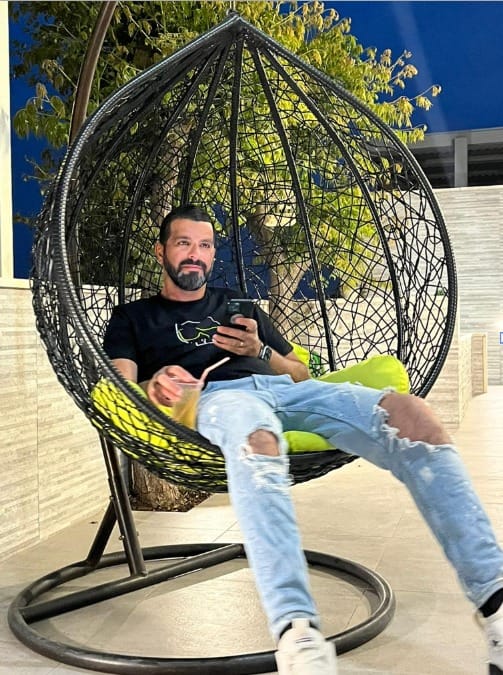
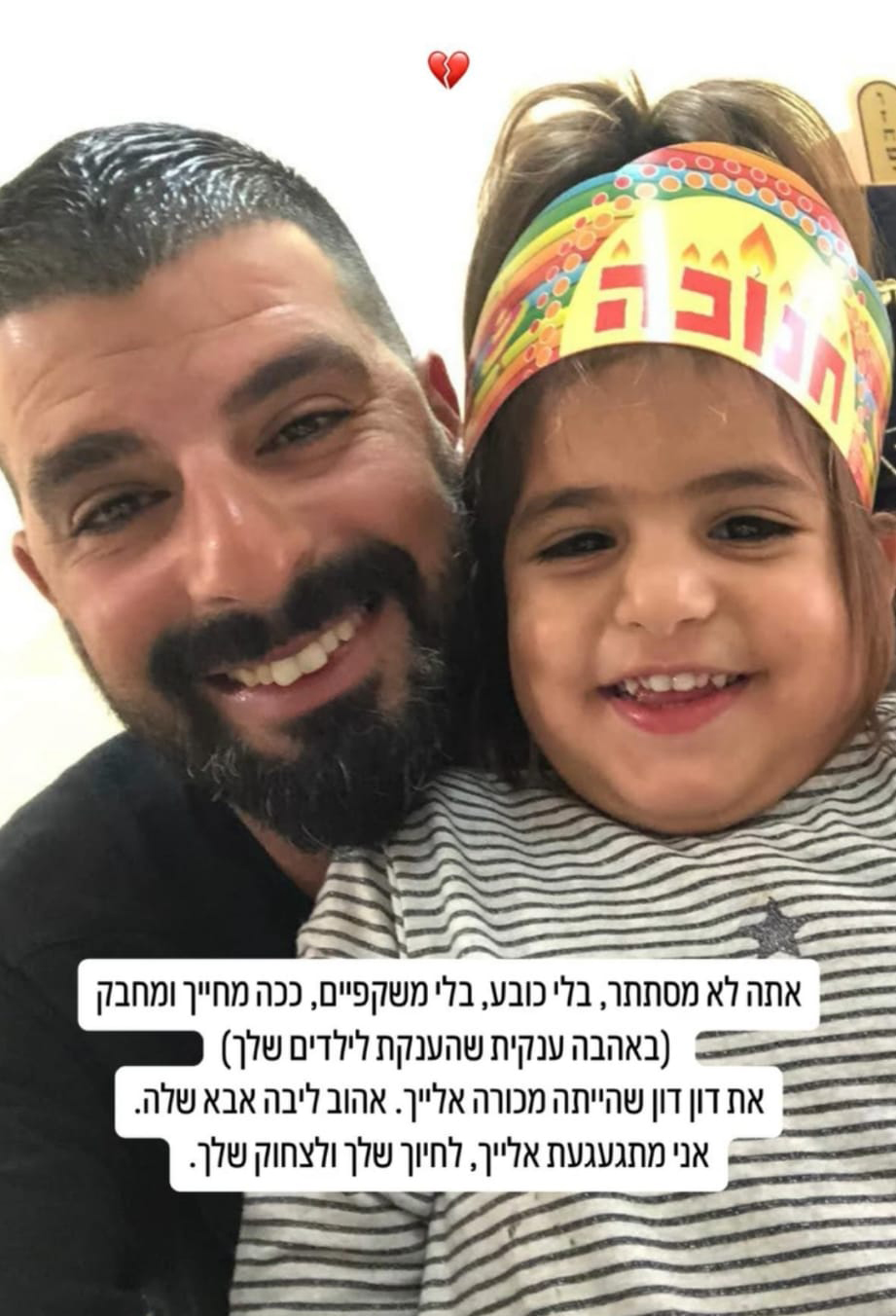
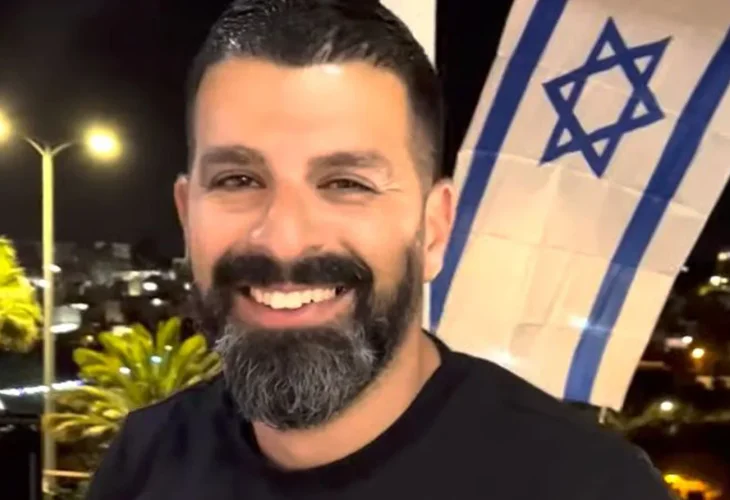 Eliran Mizrahi z"l
"Nothing hinted to us that our Eliran was living with PTSD. Looking back I can see signs of it, but at the time it never crossed our minds." says Jenny Mizrahi, mother of soldier Eliran Mizrahi z"l, the pain cutting through her heart. "Outwardly he seemed so strong, and he never once revealed the struggle he was going through—he probably knew it would sadden us. So he carried it all inside, kept working, and kept showing up for his family. If only we had known what he was going through, we could have tried to help, but we didn’t know—and that’s what hurts so much about all of this."
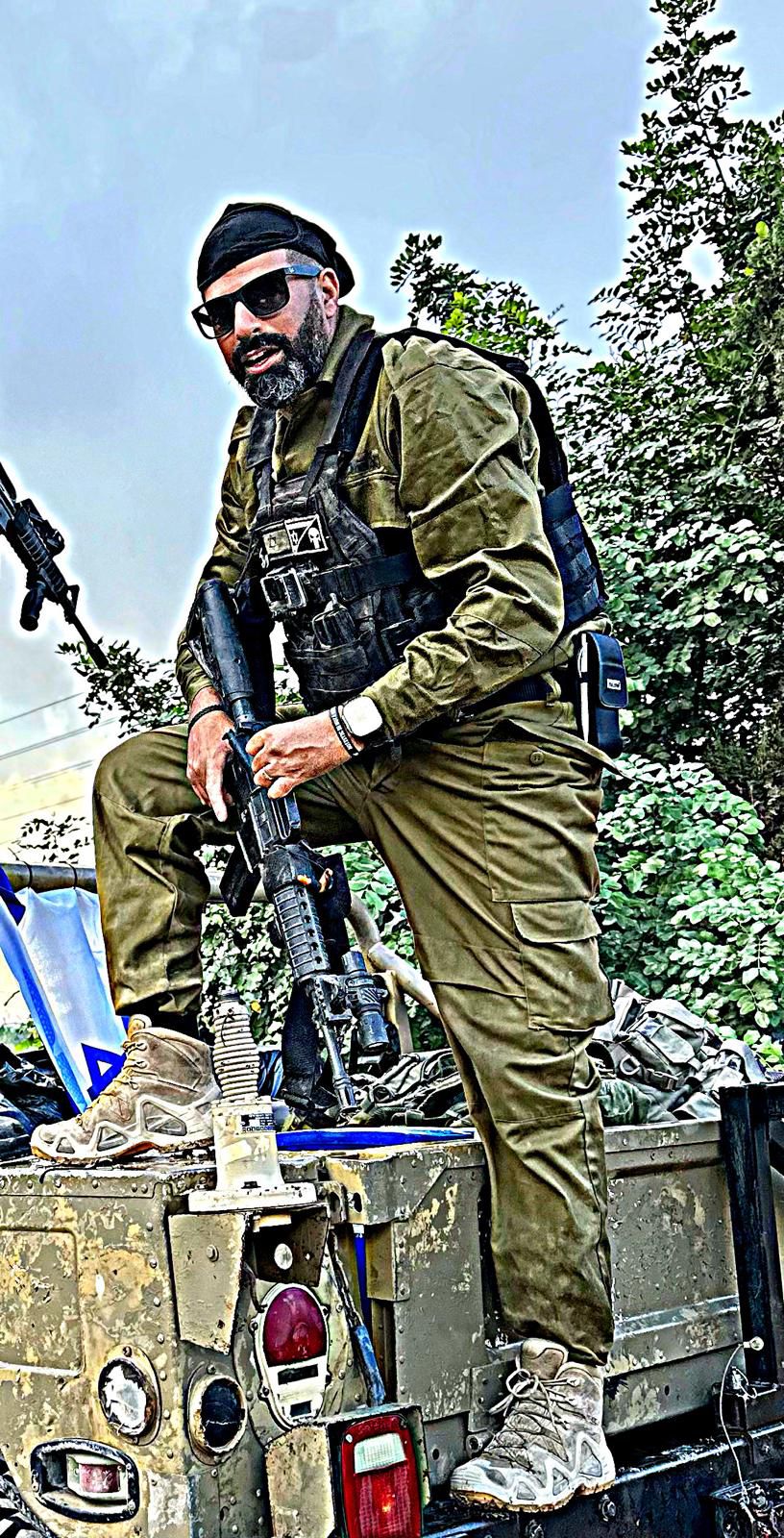
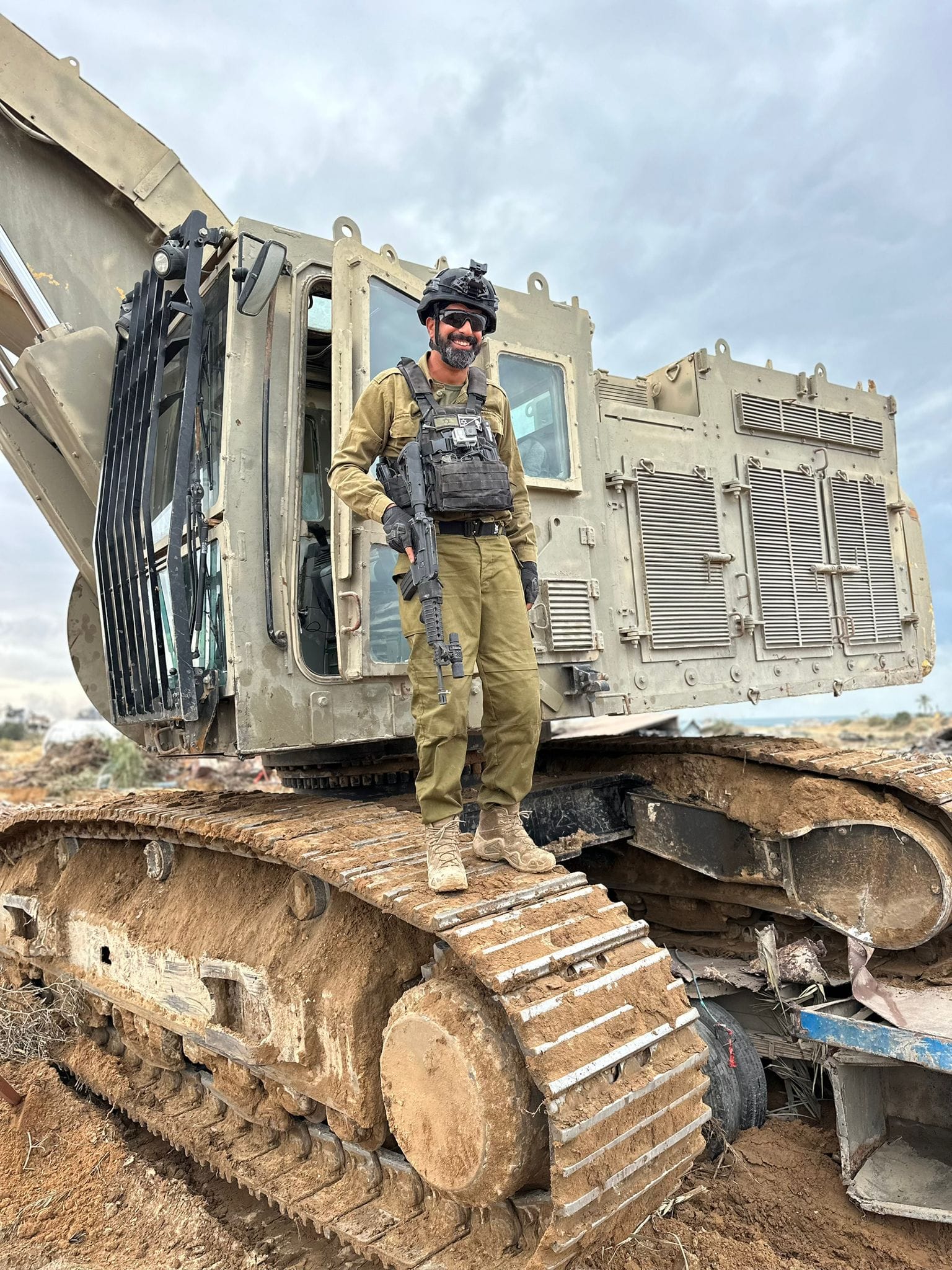
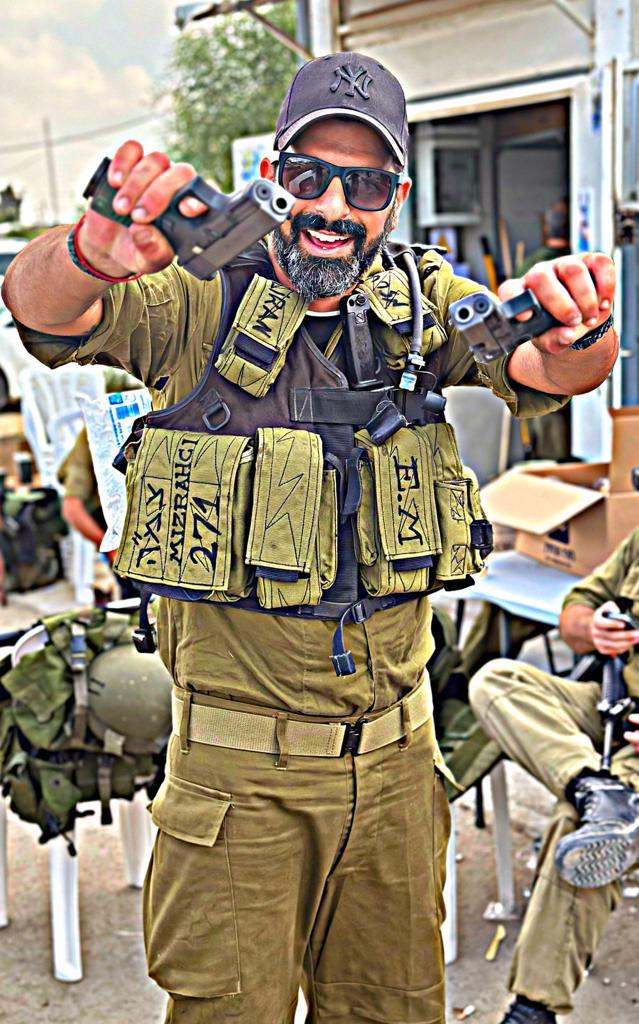
"Even the Strong Can Break"
Eliran’s struggle, Jenny says, began on the second day of the Iron Swords War, the day after *Simchat Torah* 5784. "Eliran is unequivocally a hero of Israel," she emphasizes. "Even though no one called him up, he took his own car and drove to the border communities. He was among the first to reach Route 232 and the Nova festival area. There, on his own, he linked up with whoever was on the ground and began evacuating the dead. He came face to face with the most horrific sights on earth."
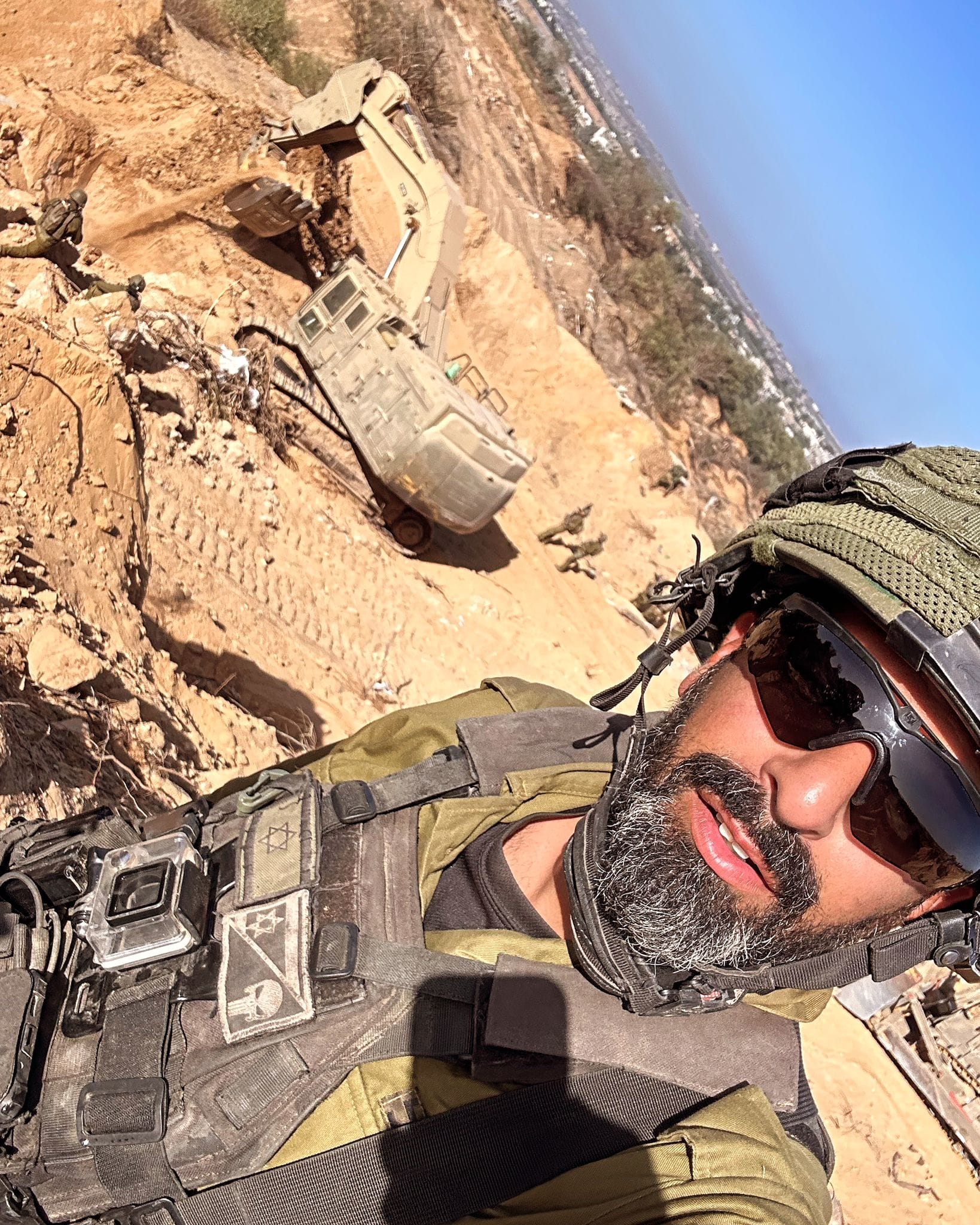
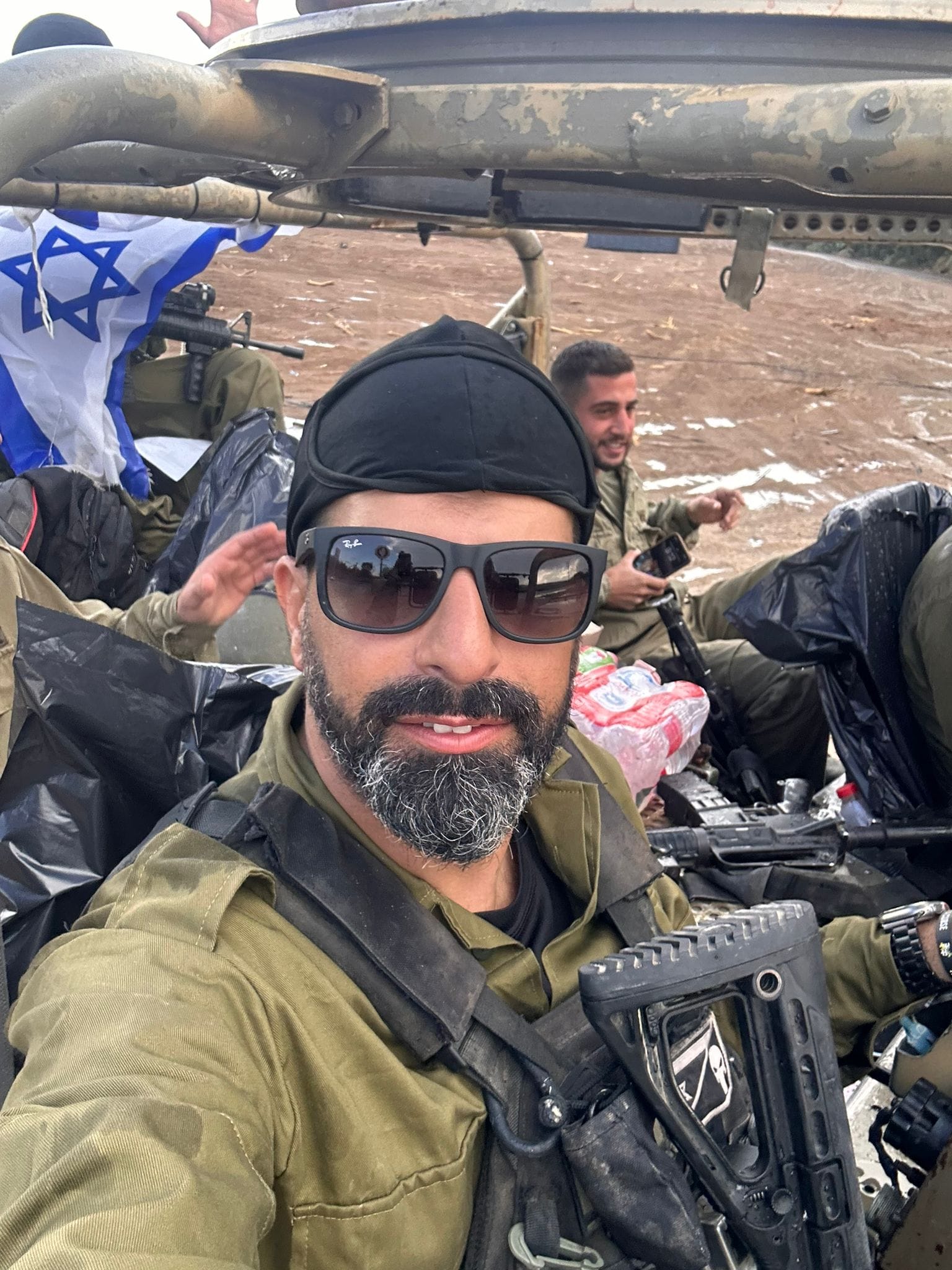
That was only the beginning. "During the war, Eliran served in reserve duty for more than half a year," Jenny adds. "He was sent to the hardest places: Gaza, Khan Younis, and Tel Sultan. He served in the Combat Engineering Corps, Battalion 271, managing ten bulldozers, and he was among the first who cleared routes for the forces coming in behind them.
"To this day I get messages from soldiers who served with him. They tell me that every battalion commander wanted to be near Eliran because he was extraordinarily professional, creative, and a brave fighter. They testify that during the war he said several times, 'I’m not afraid to die in Gaza.' He also told me, in one of our conversations: 'We were sure we were going to die at any moment.' Because that’s really how they felt. That’s why he didn’t hesitate to carry out the most heroic actions while fighting in Gaza, even when it meant a dangerous or daring mission."
Did you get to see him often during the war?
"We met mainly on *Shabbat*. Eliran was married, a father of four children, two of whom are on the autism spectrum at different levels of functioning. He was an amazing, hands-on dad—bathing the kids, braiding hair, cooking, taking them on outings, and showing up to parent-teacher meetings. When I saw him during the war, I felt something had changed: Eliran was more closed off, and every conversation was only about Gaza. It was clear he had left the battlefield physically, but Gaza hadn’t left his soul. His wife told me that at night he had trouble falling asleep and every noise made him jump. He also got a handgun license to protect his family, even though he hadn’t had a personal weapon before. But it never crossed our minds that these were signs of PTSD. It all seemed logical and normal for a soldier returning from brutal reserve duty with such horrific scenes."
Even the strongest person can break from what they saw there...
"Exactly," Jenny agrees. "Not only was Eliran exposed to those sights, he was also wounded three times over the six months he fought in Gaza. He suffered a knee injury, and his hearing was damaged by anti-tank and RPG fire they took in the field. After the third injury they forced him out, and when he came home he couldn’t return to routine and to work. Until then he had been an admired, hard-working manager at the Electra company, where he ran the concrete plant. He was one of the leading employees; at the Yigal Yadin tunnels at the entrance to Jerusalem, there’s even a sign where he’s mentioned for his significant role in building the tunnels. But since the war, he never returned to himself."
"We Have to Keep an Eye Out"
Did Eliran leave a message or letter?
"He didn’t leave anything. That only strengthens the assumption that even he himself didn’t know this was going to happen. Psychologists explain that PTSD can suddenly seize you—it’s a matter of a split second, when he was inside the 'black' of his life. It happened a few hours after he went through a briefing ahead of reentry into Gaza. I don’t know what was in that briefing, what memories it triggered for him, and what he went through in those moments. But experts say that at the moment a person does such an act, he sees only the abyss and the blackness.
"I believe with all my heart that if only Eliran had been thinking clearly in that moment, he wouldn’t have done this to his family. He left a wife and children whom he loved with all his heart, who were his whole life. There’s no way he would have taken such a step. It was a second of temporary insanity—it has to be, because there’s no other explanation. You just don’t do such a thing."
The pain is unbearable, and Jenny says that’s why she’s speaking up and sharing their story. "It’s important to me to send a message to anyone going through such crises—know that living with PTSD is not shameful, and it’s possible to overcome it. By its nature, PTSD is an illness where sometimes you’re up and sometimes you’re down, but if you’re surrounded and you have the right tools—you can help yourself and find a place for healing.
"Both society and the state must understand what people with PTSD are going through. My son didn’t talk about it because he was afraid to worry me. He feared that if I knew he was in such distress, something would happen to me. I want to prevent that for other families, because we have to understand—PTSD is an injury like any other, exactly like a soldier who lost a hand or a leg. In my eyes it’s even more severe. When there’s no visible wound, people expect you to return to routine and behave as usual, while you simply can’t. We need to look closely, to hold space, and to help.
"I can personally attest that as a family we carry a very heavy sense of guilt. Even though my psychologist tells me again and again that I mustn’t feel this way, because I couldn’t have known—it doesn’t really help. The guilt remains, and the pain over not having the tools to recognize PTSD and help our son is immense. That’s why I’m turning to families and everyone around these people: try to keep an eye out, be sensitive, and recognize what your loved ones are going through—before it’s too late."
A Lifelong Mission
Jenny took matters into her own hands. Over the past year she privately founded the *Simchat Eliran* nonprofit, whose goal is to raise awareness about PTSD, to talk about it, and not to gloss over or hide it. "We partnered with the *LeZeker Lanetzach* association, led by Gershi Kornitzer, and with the Retorno center, and together we are now working to establish a home for fighters dealing with PTSD," she details. "I want to support them in their hardest times and deliver the crucial message: 'You can be heroes and strong, and still suffer from PTSD—and that’s okay.'
"Our goal is to build a facility dedicated entirely to treating people with PTSD, serving about 150 soldiers a year. This place will give them a bed, therapy, healing, care, and a wraparound support system that offers hope that life is possible. You don’t have to stop living because of PTSD; it can and must be treated. The CEO of Retorno told me personally that hundreds of soldiers are knocking on his door, and he can’t provide for them due to lack of space. That’s the situation I want to change."
Jenny emphasizes that while the home they’re building is intended for soldiers, it’s important to understand that not only fighters suffer from this, but also civilians who have become traumatized simply by coping with and absorbing the situation in recent years. "We have to open our eyes, see who’s around us, and when necessary offer a hug and say: 'We’re here for you—there are tools to cope.' If we don’t make sure to do that today, it could blow up in our faces, because studies show the number of people living with PTSD in Israel is growing."
Does this work ease your pain personally? Does it offer any comfort?
"No," she answers unequivocally. "Nothing can comfort me and no action will bring back my son. But I don’t want other families to go through what I’m going through, and my mission now is to save other soldiers. I know that if I manage to save even one fighter—it’s like saving an entire world. It’s not just one soul, but a whole family of parents, children, and siblings.
"My family will never return to what it was," Jenny concludes, in pain. "Eliran was our anchor, and since he’s gone—the holidays aren’t the same and the *Shabbatot* aren’t the same *Shabbatot*. Every day I put on a mask and I’m in a kind of play, because the choice is either to stop or to be. But I decided that Eliran’s death would not be in vain, and I will hold fast to that. He left me a mission to save others, and I will carry it to the end. I hope this pain will ultimately become something that saves lives."

