

Raising Children
How Shouting Affects Your Baby’s Emotional Development
Learn how tone, stress, and emotional repair shape your baby’s sense of security — and how small changes in your reactions can create a calmer, healthier home environment
- Shira Dabush (Cohen)
- | Updated
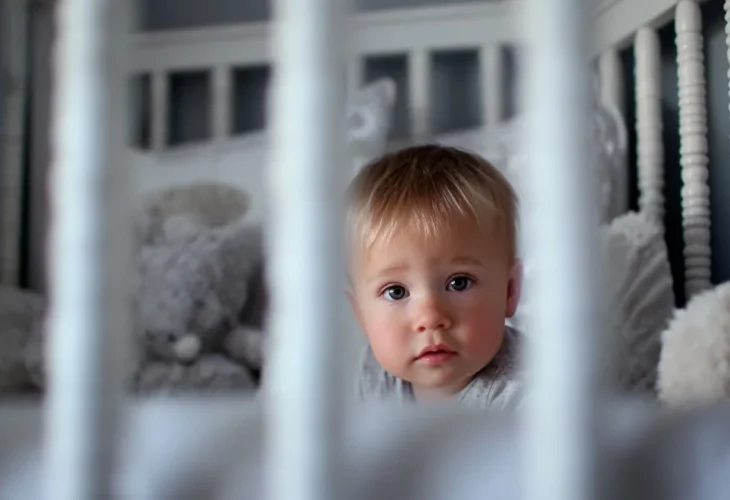
Many parents find themselves raising their voices around their children from time to time, especially during periods of fatigue, overload, and stress. But what happens when there are also young infants at home? Even if it is not always possible to avoid mistakes, it is important to understand how a raised tone affects your little ones, even when they do not yet understand the words or the reason behind the shouting.
How Do Babies Experience Shouting?
A baby’s brain develops rapidly, and at this stage they are highly sensitive to atmosphere, tone of voice, and facial expressions. Loud shouting can startle them, as their nervous system is especially sensitive to noise and sudden changes in tone.
Even if the shouting is not directed at them, babies may still feel tension or confusion. The person they rely on most suddenly sounds different and less predictable. A sense of security in infancy is built through emotional consistency. When there is frequent shouting in the home, some babies may become more restless. They may cling more, cry more, or have difficulty calming down.
Shouting disrupts a baby’s sense of calm, and over time they may begin to respond with heightened emotional arousal. Through imitation, a loud communication style in the home can become a behavioral pattern that children adopt later when they feel frustrated or angry.
It is neither realistic nor necessary to be a perfect parent who never makes mistakes. However, it is important to pay attention to the patterns we create in the home. Occasional moments are not a cause for alarm. The concern arises when stress and pressure lead to shouting becoming a regular, daily pattern.
How Do We Repair?
One of the most protective factors for children is repair after a moment of tension. If you find yourself shouting, take a moment to calm the baby and speak in a gentle tone. Let them hear that you were tired or frustrated, that they are not to blame, and that they are safe and loved.
This helps restore a sense of security. Research in child development emphasizes that repair and emotional reconnection are even more important than avoiding all mistakes. Ideally, this repair should happen soon after the incident, so the baby can experience a return to calm and safety.
Recognizing Signs of Stress
Parents can watch for signs that a baby is experiencing emotional overload. These may include sensitivity to noise, difficulty calming down, changes in sleep, or an increased need for closeness. These signs are not evidence of harm, but rather signals that it may be helpful to reduce stress in the environment.
Reducing shouting does not begin with the child, but with the parent. It starts by noticing moments of overwhelm and creating a brief pause before reacting.
Sensitive parenting recognizes how important the emotional atmosphere at home is. It shapes a child’s sense of security and their future ability to regulate their own emotions.

