

Lag BaOmer
Lag BaOmer 2026: When It Falls and What It Means
When is Lag BaOmer this year, and why do we celebrate it? Discover the date, meaning, and traditions behind this unique and uplifting day in the Jewish calendar.
- Naama Green
- | Updated
 (Photo: Shutterstock)
Lag BaOmer 5786 begins on Monday evening, May 4, 2026, and continues through Tuesday, the 18th of Iyar, until sunset.
The name “Lag BaOmer” refers to the 33rd day of the Omer count. Each year, from Pesach to Shavuot, we count 50 days, marking a period of spiritual growth and preparation. Lag BaOmer falls in the heart of this time and stands out as a day of joy.
Why Do We Celebrate?
Two major events in Jewish history are connected to this day.
First, it marks the end of a devastating plague among the students of Rabbi Akiva. The Talmud teaches that 24,000 of his students died during this period because they did not show proper respect for one another. On Lag BaOmer, the deaths stopped, and so the day became one of relief and celebration.
Second, this is the yahrzeit of Rabbi Shimon bar Yochai, one of the great sages of the Tannaitic era and the author of the Zohar. On the day of his passing, he revealed deep and hidden teachings of Torah to his students and asked that this day be remembered with joy.
Chassidic teachings explain that on the day a righteous person leaves this world, their spiritual light continues to shine and influence others. Lag BaOmer is not only about remembering Rabbi Shimon, but also about connecting to the inner light of Torah that he revealed.
A Break in the Mourning
During most of the Omer period, certain mourning practices are observed. Weddings and celebrations are limited, and the tone is more subdued.
On Lag BaOmer, those restrictions are lifted. Tachanun is omitted from prayers, and the day takes on a more festive atmosphere. People are free to work, travel, and celebrate.
The Meaning Behind the Bonfires
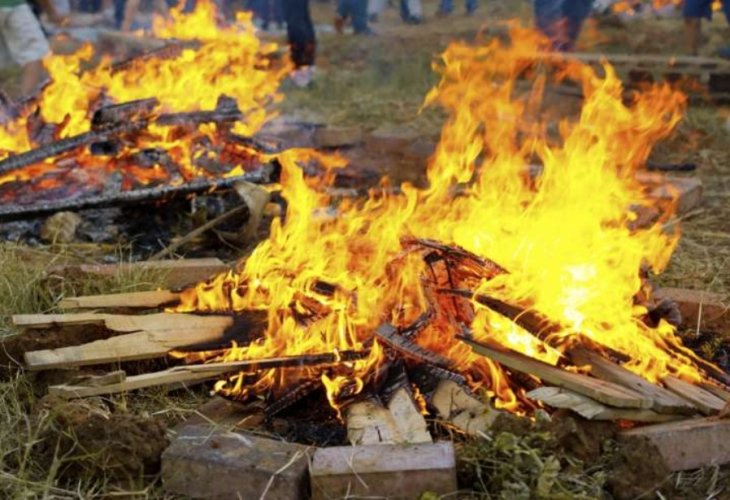
One of the most recognizable customs of Lag BaOmer is the lighting of bonfires.
These flames represent the light of Torah that Rabbi Shimon bar Yochai brought into the world. Some traditions describe a great fire surrounding him at the time of his passing, symbolizing the intensity of the spiritual light he revealed.
There is also a teaching that the sun did not set on that day until he completed sharing these teachings, emphasizing the idea of light that continues beyond its natural limits.
In some years, circumstances have limited public celebrations. In such cases, people have marked the night more quietly, lighting candles at home, singing traditional songs such as “Bar Yochai,” and using the time for prayer and reflection.
A Time for Prayer and Connection
Lag BaOmer is considered a day of special spiritual opportunity. Many have the custom to pray on this night, asking for personal growth, for their families, and for their children’s future.
Some sources teach that prayers on this day carry particular power, making it a meaningful time to turn to Hashem with sincerity.
Meron and the Joy of the Day
In Israel, many people travel to Meron, the burial place of Rabbi Shimon bar Yochai. Each year, large crowds gather there to celebrate, sing, and light bonfires throughout the night.
The atmosphere is filled with joy, unity, and a sense of connection that draws people from across the Jewish world.
Bringing It Home
Even for those who are not able to join large gatherings, Lag BaOmer offers something deeply personal.
It is a chance to reconnect with the idea of inner light. To think about respect between people, a lesson rooted in the story of Rabbi Akiva’s students. And to remember that Torah is not only knowledge, but something that brings warmth, depth, and meaning into our lives.
A Day of Light
At its heart, Lag BaOmer is a reminder.
That even in the middle of a period marked by loss and reflection, there can be a moment of light. A pause. A breath of joy.
It invites us to carry that light forward, into our relationships, our growth, and our connection to something greater.
Because sometimes, one day of light can illuminate everything that follows.

