

Wonders of Creation
Fish with Wings? Discovering the Wonders of Flying and Resting Fish
While fish primarily live in water, some uniquely evolved species can survive for brief periods on land. This ability helps them evade predators and catch prey at the shoreline.
- Rabbi Avraham Ohion
- | Updated
Meet the Flying Fish
1. The Frolicking Reef Fish
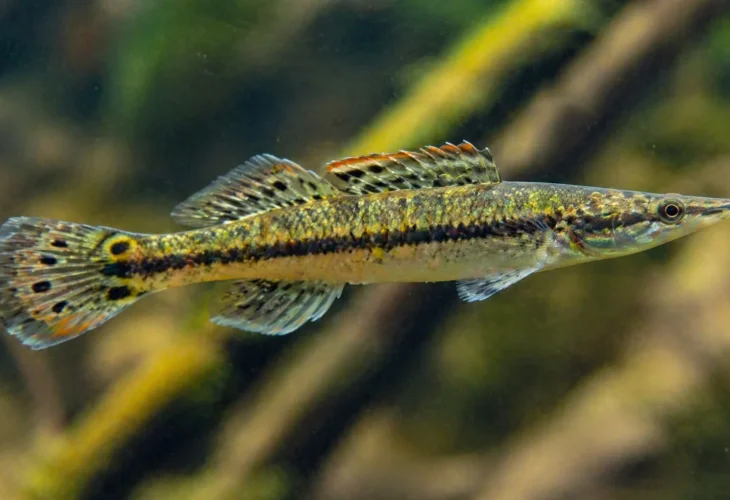
Researchers exploring the southern Pacific Ocean have discovered four types of fish known as "reef fish" that courageously rest on land! These fish are found near the coast of the Cook Islands, where they live among rocky pools. Surprising as it may seem, during high tide, these fish climb onto rocks to escape predatory fish that flood the pools. As the tide retreats, the predators leave, and the fish return to the water.
2. The Dazzling Darter Fish
Darter fish can soar out of water, gliding for distances up to tens of meters to escape their predators, which often include tuna and swordfish. The family of darters consists of about 50 different small fish species, typically measuring 30 centimeters in length. Their long fins, reaching the tail, enable them to glide in the air for a few seconds, reaching heights of one to six meters above the water surface. Occasionally, these darters land on ships' decks. When they return to the water, their fins fold back neatly against their bodies. Darters often glide together in schools and are found in oceans worldwide, particularly in tropical and subtropical regions.
3. Whales' High Jumps
Whales display fascinating aerial behaviors, although not all species have the same abilities. For instance, some dolphins, part of the whale family, perform complex acrobatics above the water, like spinning and flipping. Dolphins are considered the most active surface dwellers. Other whales have been seen leaping almost entirely out of the water, only to land back with a thundering splash. This action is believed to showcase strength or remove attached parasites.
Some whales lift most of their bodies out of the water vertically, possibly to survey their surroundings. Additionally, whales may slap the water with their tails, likely signaling or scattering prey fish within a group, making them easier to catch.
4. Dancing Cetaceans
Dolphins perform a "dance" of aerial spins and twists, a behavior thought to help them dislodge parasites and remoras (fish that cling to them). Researchers have found that dolphins initiate the spinning motion while still underwater, and the motion accelerates when they break the surface, assisted by powerful tail movements.
5. The Great White Shark's Epic Leap
A prominent figure in the ocean predator scene, the great white shark, known as "the king of the seas," measures between three and eight meters in length and can weigh up to three tons. This formidable hunter can breach the surface, clamping its sharp teeth into sea lions, birds, and even land animals near the shore. It can detect the electric field of a potential prey entering the water from as far as eight kilometers away and has a keen sense of smell to identify blood from great distances.
6. The Mighty Killer Whale
Another marine predator, the killer whale, uses tactics like stunning or temporarily paralyzing its prey by tossing or striking it with its tail. Working in groups, they can skillfully corner young whales, cutting them off from their mothers and preventing them from surfacing for air. These coordinated hunting methods allow killer whales to feast on significant catches.
Killer whales have been observed preying on seals resting on ice floats by creating waves to topple them into the water.
7. The Versatile Cormorant
Cormorants, adept flyers and divers, can descend as deep as 30 meters while hunting fish and remain underwater for over two minutes. These birds leverage unique swimming techniques, generating negative buoyancy forces that help them dive, primarily gliding after paddling with their feet. Their feathers act as a diving suit, insulating them from cold water.
8. Graceful Manta Rays
The manta ray, or "sea cat," is a flat fish with wing-like pectoral fins that 'flies' underwater. These impressive creatures, reaching seven meters in length, feed on plankton and fish eggs while gliding through the ocean. They gather in massive groups, and together they rotate in a circular dance, sometimes jumping out of the water seemingly for sport.

