

Raising Children
What You Say vs. What They Hear: A Parenting Lesson
You meant to help, but your child heard something else. A relatable look at how messages get lost, and what to do instead.
- Pnina Leshem
- | Updated
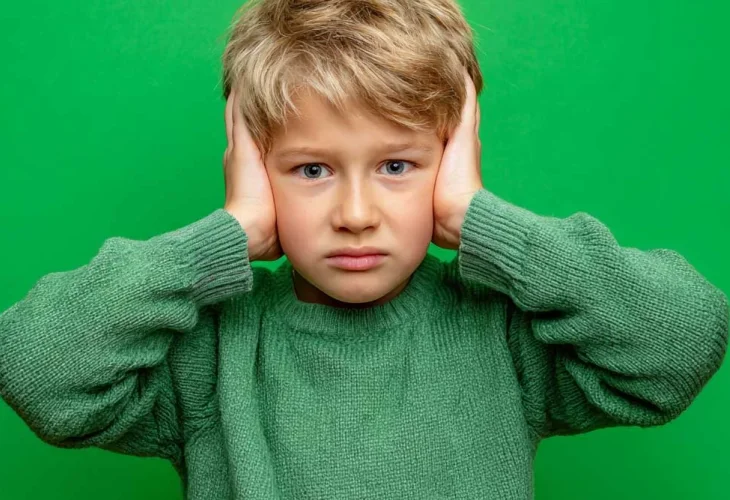
A few days ago, I read my three year old son a children’s book about a boy who drew on the wall. In the story, the child realizes he made a mistake when his parents have to call in a painter after the scribbles will not come off. The message seemed simple enough: don’t draw on the wall.
The next day, I walked into the house and found a brand new masterpiece on the wall. There was a sun, a tree, and one long line that looked like a train crashing into a giraffe. I swallowed hard and asked, “What is this?”
My son answered with the calm confidence of a young Picasso. “Mom, it’s okay. There’s a painter. He comes and paints over everything. Just call the painter.”
The message got through, just not the way I intended.
Not What We Meant
This does not happen only with toddlers. Every parent knows the feeling of being sure they delivered an important message, only to discover that their child took away something entirely different.
You explain to your teen how serious a situation is. You mean to strengthen her, to help her wake up and make a change. But what she hears is despair: “If it’s already that bad, then what’s the point? I’ve already failed anyway.”
You say to your daughter, “What’s going on with you? Do you even care about school? What is going to be with you?” Your intention may come from worry and deep concern for her future. But what she hears is something very different: “I’m a disappointment. No one sees how hard this is for me. Home is not a safe place for me to fall apart.”
A parent sees his son crying and says, “Really? You’re crying over this?” He means to calm him down, to help him move on. But the child hears: “Your feelings do not matter. Better stay quiet.”
A parent warns his son, “If you do that, they’ll throw you out of the program.” What he really means is, “Stay away from this. It could hurt you.” But the son may hear: “I’m not wanted there anyway, so why should I care?”
Through Their Hearts
This happens all the time. We speak from a place of worry, love, and a desire to protect. But children do not always hear our intentions. They hear our words after they pass through their own hearts.
And those hearts are sensitive.
They filter what we say through fear, shame, loneliness, frustration, or self doubt. So even when our message is full of care, it can arrive sounding like criticism, disappointment, or rejection.
That does not make us bad parents. It makes us human parents. But it does remind us how careful we need to be.
So What Can We Do?
Before speaking, it helps to pause and ask ourselves not only what we want to say, but what our child is likely to hear.
It helps to look for real guidance about the specific challenge our child is facing, so our response is not just emotional, but also wise and grounded.
It also helps to listen for their experience, not only our intention.
Sometimes the most useful questions are simple ones:
“What did you understand from what I said?”
“How did you feel when you heard that?”
These questions can open a door that lectures often close.
What Reaches Them Most
And above all, we need to remember something very simple.
A hug can sometimes do what three speeches cannot.
Because before children need correction, they need connection. Before they can hear what we mean, they need to feel that they are safe, loved, and not alone.
Only then can the real message begin to land.

