

Raising Children
Picky Eaters? 10 Simple Ways to Help Kids Try New Foods
Help your child build a healthier relationship with food using simple, encouraging techniques that make a real difference.
- Shira Friant
- | Updated
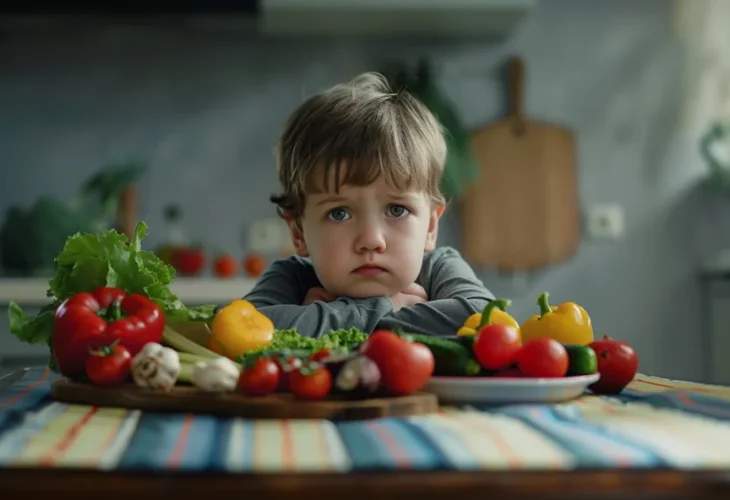 Present foods in colorful, creative ways to entice kids.
Picky eating is common among children and often shows up as a reluctance to try new foods or eat a wider variety. It can stem from several factors, including sensitivity to taste, texture, or smell, as well as emotional and social influences.
Dealing with picky eating takes patience and consistency. The goal is not to force change, but to gently encourage it through positive experiences, modeling, and a calm, supportive atmosphere at mealtimes. Here are ten practical tips to help your child expand their menu:
1. Make Mealtime a Positive Family Experience
Sit down together as a family and talk about your day. When meals feel warm and relaxed, children begin to associate food with connection, not pressure.
2. Lead by Example
Children naturally imitate what they see. When they watch you enjoy a variety of foods, they become more open to trying those foods themselves.
3. Involve Them in the Kitchen
Invite your child to help with simple tasks like washing vegetables or stirring ingredients. When they take part in preparing the meal, they are more curious and willing to taste it.
4. Offer Limited Choices
Instead of overwhelming your child with many options, offer two choices. This gives them a sense of control and makes trying something new feel more manageable.
5. Start with Small Portions
Introduce new foods in small amounts. A small bite feels less intimidating and makes it easier for your child to give it a try.
6. Be Patient
Picky eating is often a normal stage of development. Continue offering new foods without pressure, even if your child refuses them multiple times.
7. Vary Flavors and Textures
Some children are sensitive to certain textures or tastes. Offer a range of foods with different flavors and textures to discover what your child enjoys.
8. Make Food Visually Appealing
Presentation matters. Colorful, creative plating can make food more inviting and spark curiosity.
9. Use Stories and Games
Turn trying new foods into a fun experience. You can create stories about foods or play simple games like “Guess the flavor” to make the process enjoyable.
10. Avoid Pressure and Punishment
Forcing children to eat or using punishment can create negative associations with food. Instead, focus on encouragement and praise when they are willing to try something new.
With time, patience, and a positive approach, most children gradually expand their tastes.
And remember, small steps count.

