

Raising Children
Drowning in Toys? Here’s Why Your Child Needs Less
More toys don’t mean more fun. Discover why reducing clutter can actually help your child play better and think creatively.
- Orit Groskot
- | Updated
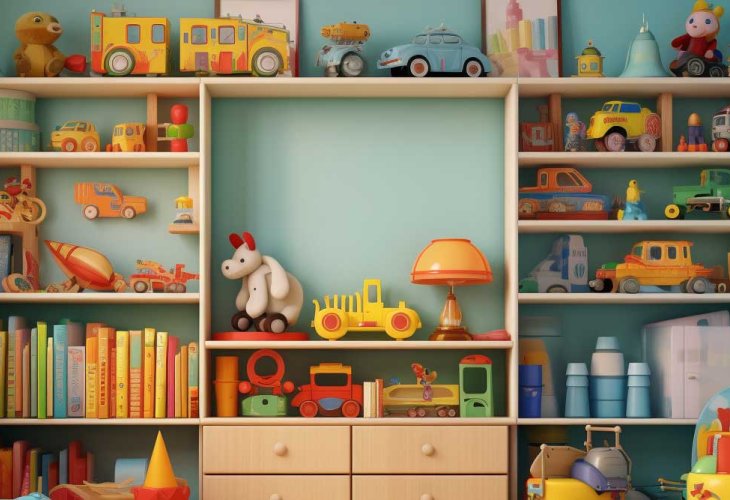
If your child’s room is overflowing with toys, yet they barely play with them, you’re not alone. It’s a common and frustrating experience for many parents.
Today’s children are surrounded by abundance. Where past generations may have had a few dolls or stuffed animals, many children now have shelves full of options that could rival a small toy store. But is more really better? What does all this abundance do for them, and how can we create something healthier and more balanced?
What the Research Shows
Researchers from the University of Toledo conducted a simple but revealing study. They invited 36 toddlers to play in a room for 30 minutes with four toys, and then in a room with 16 toys.
The results were striking. When children had fewer toys, they played more creatively. They spent more time with each toy and discovered new ways to use it.
The researchers suggest that parents reduce the number of available toys and rotate them regularly, bringing out only a small selection at a time. This approach can improve the quality of play and increase focus and attention. They also noted that fewer toys may encourage children to explore other activities like reading or drawing. The study was published in the journal Infant Behavior and Development, and its insights continue to resonate with parents and educators.
Why Less Can Be More
In his book ClutterFree with Kids, author Joshua Becker explains that reducing toys helps children become more creative and more appreciative of what they have.
“A child will rarely learn to fully value a toy when there are endless options behind it,” Becker writes. With fewer choices, children become more resourceful and learn to solve problems using what is available to them.
How to Make the Shift
If you’re ready to reduce the number of toys in your home, here are a few practical ways to start:
Rotate Instead of Remove
Choose a storage space and set aside most of the toys. Keep only a small selection available, and rotate them weekly or monthly. Children often become more engaged when toys feel “new” again, and they learn to play more deeply with what they have.
Invite Friends to Play
Play feels different with others. When friends come over, children often rediscover toys they had lost interest in. A simple board game or a forgotten set of building blocks can suddenly become exciting again.
Head Outside
Take play beyond the house. A trip to the park with a ball, chalk, a jump rope, or a bike offers movement, creativity, and fresh air. Outdoor play naturally reduces reliance on indoor toys and supports healthy development.
Donate and Pass It On
Set aside time to go through toys together with your child. Create a pile to donate and explain the value of giving to others. Let your child be part of the decision. Along the way, you’ll likely find broken or unused items that can be discarded.
If the toys are in good condition, passing them on can be simple. A quick message in a local group can often find them a new home the same day.
Buy Less, Choose Better
The system only works if new toys don’t constantly replace the old ones. Even small, inexpensive purchases can quickly add up and create clutter.
When you do buy something new or receive a gift, aim for items that offer lasting value. Think board games, art supplies, bicycles, or toys that encourage creativity and problem solving.
A Simpler, Richer Way to Play
Creating a more balanced environment doesn’t mean taking something away from your child. In many ways, it gives them more, more focus, more creativity, and more meaningful play.
Sometimes, less really is more.
Good luck!

