

Raising Children
It’s Not Just Their Screens: What Kids Learn From Yours
You’re careful about your child’s screen time, but what about yours? New research reveals what kids are really picking up.
- Yitzchak Eitan
- | Updated
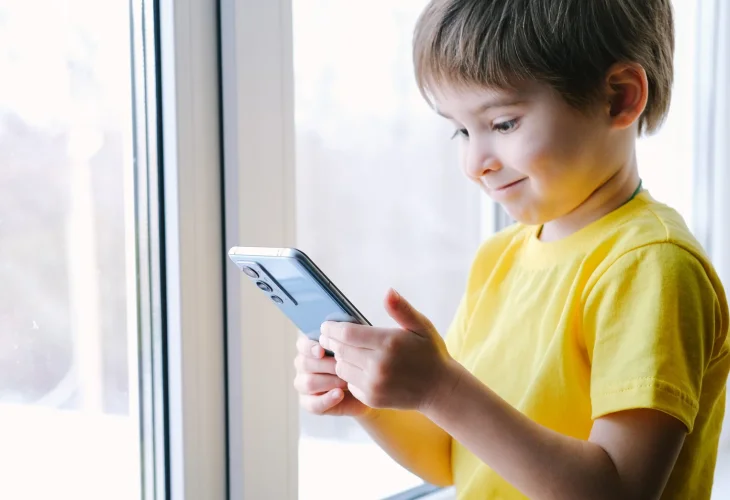 (Photo: Shutterstock)
How much time parents spend on screens around their children can shape what kids are exposed to, sometimes in ways we don’t realize. It’s not only about how long children are on screens, but what they see while parents are using them.
A recent study published in BMC Pediatrics points to a clear connection: higher parental screen use is linked to a greater likelihood that children will be exposed to mature content, including non educational movies and video games that are not appropriate for their age.
What the Research Found
The study, led by Jason Nagata, an associate professor of pediatrics at University of California, San Francisco, analyzed data from the Adolescent Brain Cognitive Development (ABCD) study. This large scale research project included more than 10,000 children between the ages of 12 and 13.
Children reported their own exposure to mature content, while parents answered questions about their screen habits, including whether they try to limit screen use when spending time with their child.
A Clear Pattern
The findings were consistent. The more time parents spent on screens, the more likely their children were to watch or play content that was not age appropriate.
Certain situations stood out. Screen use during meals and in bedrooms was strongly linked to higher exposure to mature content. These are moments when children are more likely to be nearby, watching or absorbing what is on the screen.
What Parents Can Do
The takeaway is not about eliminating screens entirely, but about being more intentional.
Researchers recommend setting clear boundaries, especially during family time and before bedtime. Keeping meals screen free and limiting device use in bedrooms can make a meaningful difference.
Open conversations also matter. Talking with children about what they watch and helping them understand media choices can build awareness and healthier habits.
Leading by Example
One of the strongest messages from the study is simple: children learn by watching us.
When parents are mindful of their own screen habits, they naturally model healthier behavior. Even small changes, like putting the phone away during dinner, can have a lasting impact.
A Surprising Finding
The study also found that using screen time as a punishment may backfire. Instead of reducing exposure, it can push children to seek out more mature content as they try to get around restrictions.
A Small Shift, A Big Impact
In today’s digital world, screens are part of daily life. But how we use them matters.
With a bit of awareness and a few intentional habits, parents can help create a healthier media environment, one that protects, guides, and supports their children’s development.

