

Beginners Guide
Shabbat Candle Lighting Guide: Laws, Timing, Blessings, and Meaning
When and how to light, the blessings, who is obligated, and the deeper spiritual significance of this cherished Jewish mitzvah
- Yosef Yaavetz
- | Updated
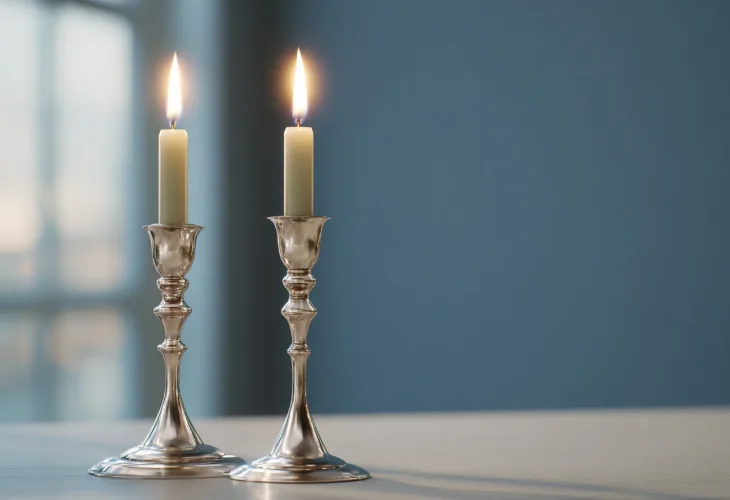
Shabbat candles, a defining symbol of Jewish life, are not a mitzvah that needs any introduction. For generations, they have been a hallmark of Jewish identity. Greek writers over 2,500 years ago described the Jews as “those who light oil lamps on the seventh day.” Women of the Spanish Inquisition secretly lit Shabbat candles inside boxes to preserve the tradition, and during the Holocaust, women risked their lives to light them.
Still, as with all areas of halacha, it is important to review and refresh the details regularly, to ensure the mitzvah is performed correctly.
Why Do We Light Shabbat Candles?
The Sages instituted lighting candles on Friday evening for two main reasons: shalom bayit (peace in the home) and kavod Shabbat (honor of Shabbat).
Sitting in darkness makes it difficult to experience Shabbat with joy and dignity, and it can even hinder communication between family members. The candles bring light, warmth, peace, and respect into the home.
They represent both physical and spiritual light, symbolizing the wisdom of Torah, the human soul, and the holiness of Shabbat.
Who Lights the Candles?
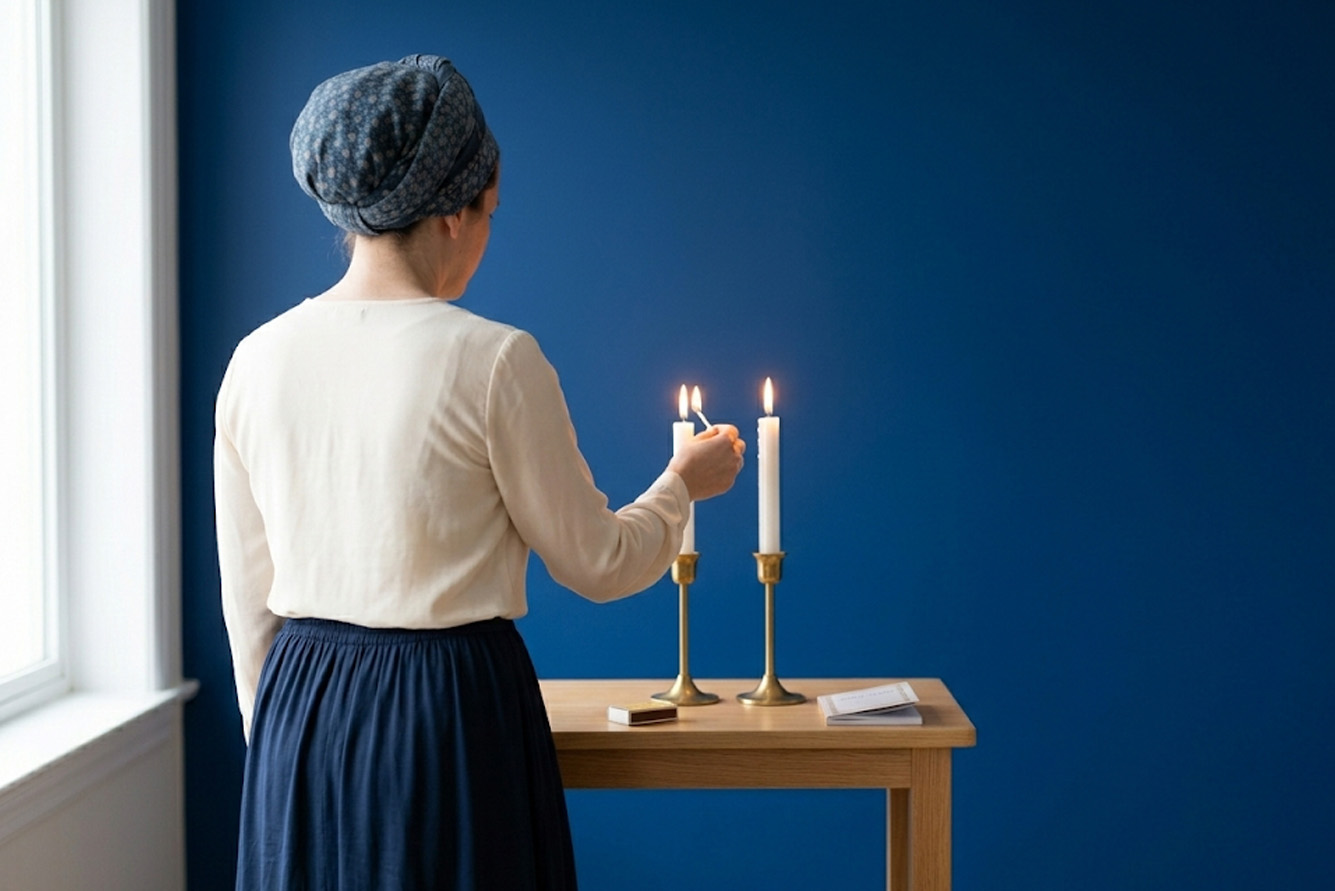
The mitzvah of lighting Shabbat candles is primarily the responsibility of the woman, as she is considered the foundation of the home and plays a central role in creating its peace and sanctity.
If there is no woman in the home, the man is obligated to light.

When Should They Be Lit?
The time for lighting candles is published in calendars and widely available. Ideally, candles should be lit at the designated time.
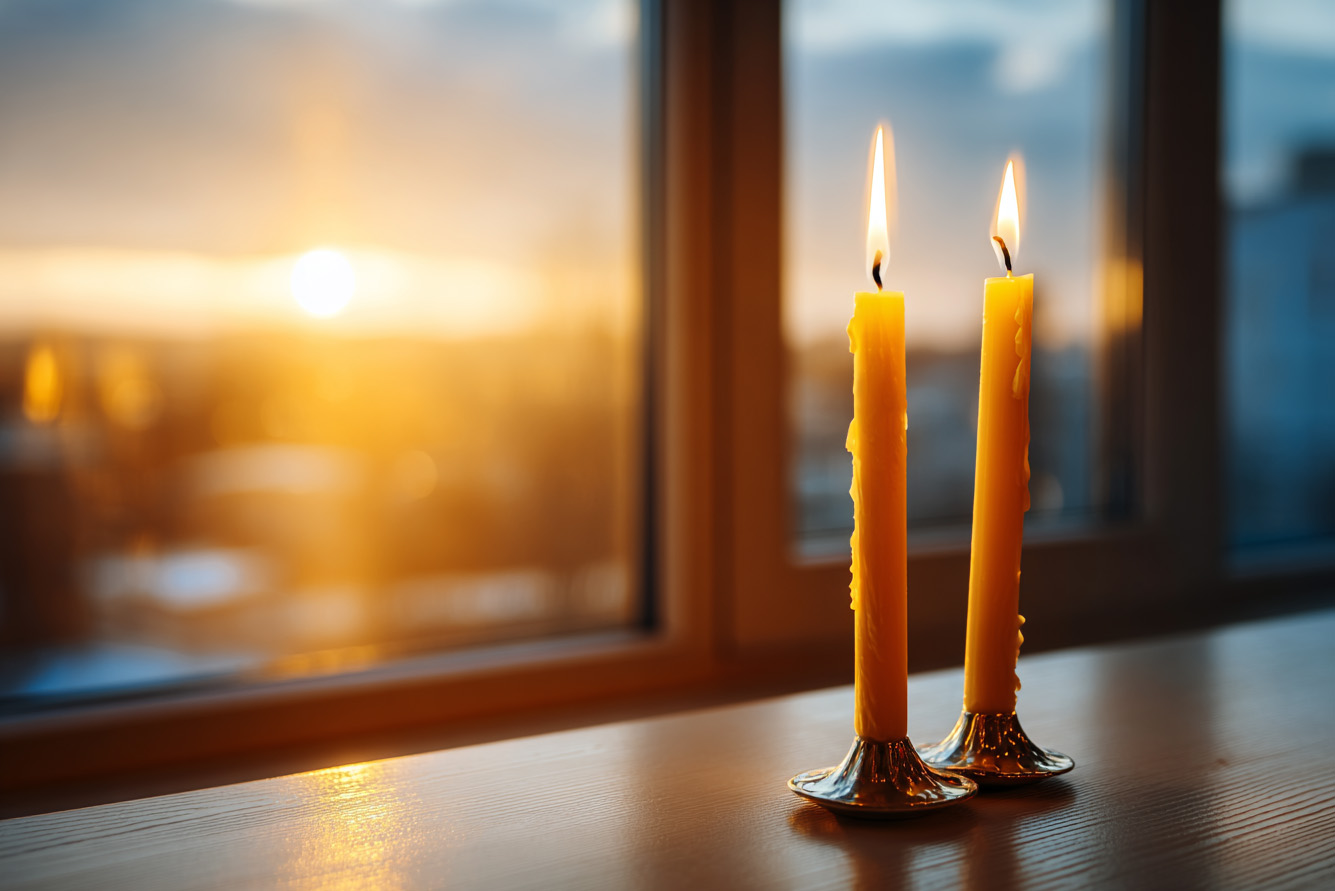
If necessary, one may delay slightly, but great care must be taken not to approach sunset. Once the sun sets, it is already uncertain whether Shabbat has begun, and lighting at that point is no longer a mitzvah but a transgression. Therefore, candles must be lit clearly before sunset.
The lighting time changes each week and is listed in calendars and online.
It is also permissible to light candles from plag hamincha (an earlier halachic time). Once candles are lit, the woman accepts Shabbat and may no longer perform prohibited work.
If she wishes to pray Mincha or eat afterward, she must make a condition before lighting that she intends to do so.
What Blessing Is Recited?
The blessing recited is: “Who has sanctified us with His commandments and commanded us to light the Shabbat candle.”
Normally, blessings are recited before performing a mitzvah. However, in this case, once the blessing is said, Shabbat is accepted, and lighting a flame afterward would be forbidden. Therefore, the candles are lit first, and only then is the blessing recited.
After the blessing, the match should not be extinguished, since putting it out is also considered work. Instead, it should be placed safely and allowed to go out on its own.
How Many Candles Are Lit?
Ideally, at least two candles are lit.
If only one candle is available, one still fulfills the obligation. Some have the custom to add an additional candle for each child born, or as a way of expressing gratitude for miracles.
If a woman once forgot to light candles, she should add an extra candle from that point onward.
Where Should the Candles Be Lit?
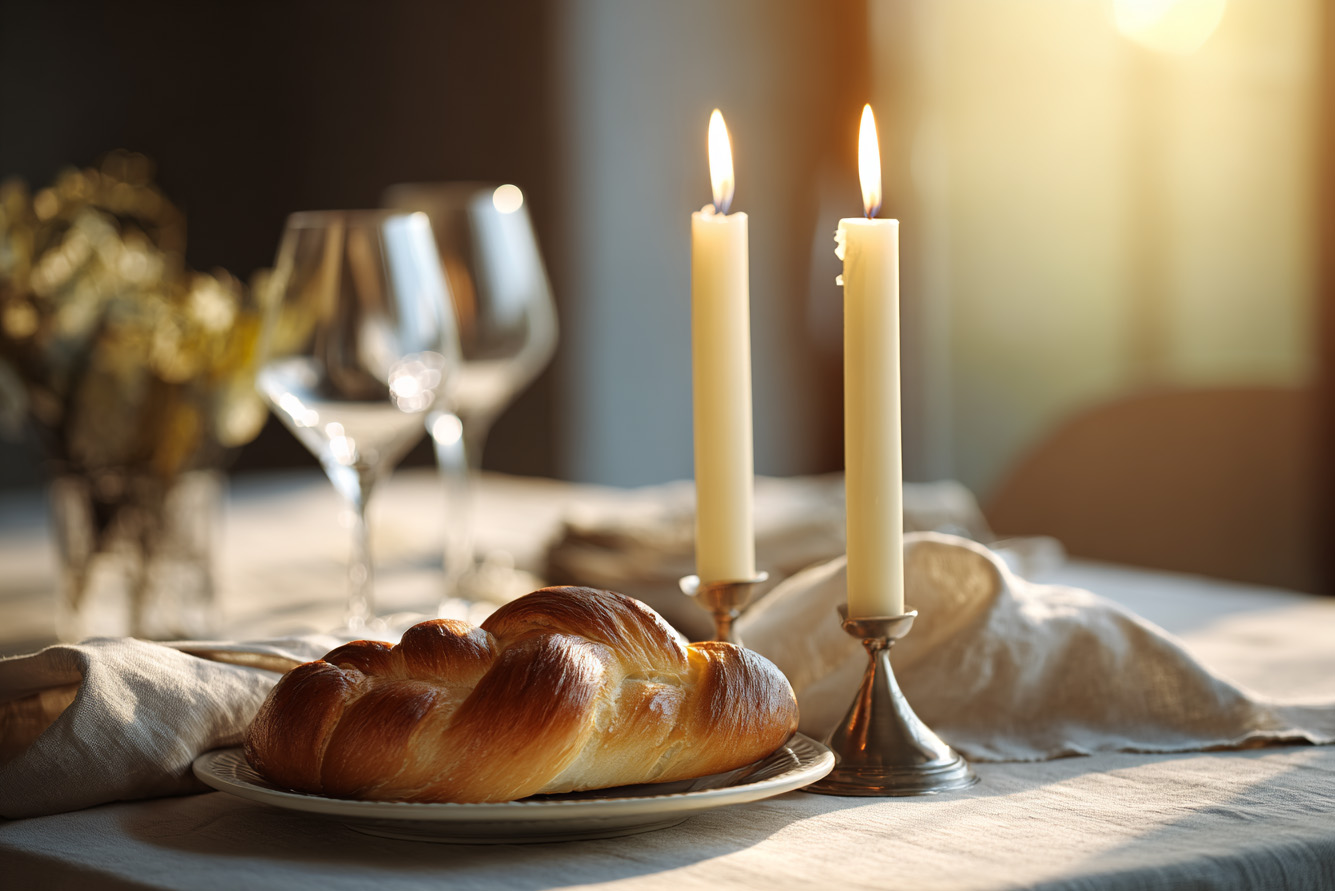
The most important place to light is where the Shabbat meal will be held, so that the added light enhances the honor and enjoyment of the meal.
If this is not possible, they should be lit as close as possible to the eating area, as long as the light is visible where people spend the Shabbat evening. Candles should not be lit in a place where no one will be present, as they would not serve their purpose.
Of course, the location must be safe. One should never light candles in a place that could endanger the household, such as near flammable materials or in unstable locations.
What Is Said After Lighting?
Lighting the candles is a special opportunity for prayer. Many women recite a personal prayer afterward (often found in siddurim), asking for blessings for themselves, their husbands, and their children.
Some cover their eyes or wave their hands over the candles, according to custom. The most important element is heartfelt intention — that the sacred light of the candles bring blessing, peace, and salvation to the entire family.
The Sages teach that one who is careful with the mitzvah of Shabbat candles merits children who are Torah scholars. In addition, through dedication to this mitzvah (and others), a woman merits blessing and ease in childbirth.

