

Parashat Shemot
The Power of Prayer in Times of Hardship: A Lesson from Rabbeinu Bachya
How crying out from pain led to redemption in Egypt, and what it teaches us about faith, prayer, and future redemption
- Amitai Chania
- | Updated
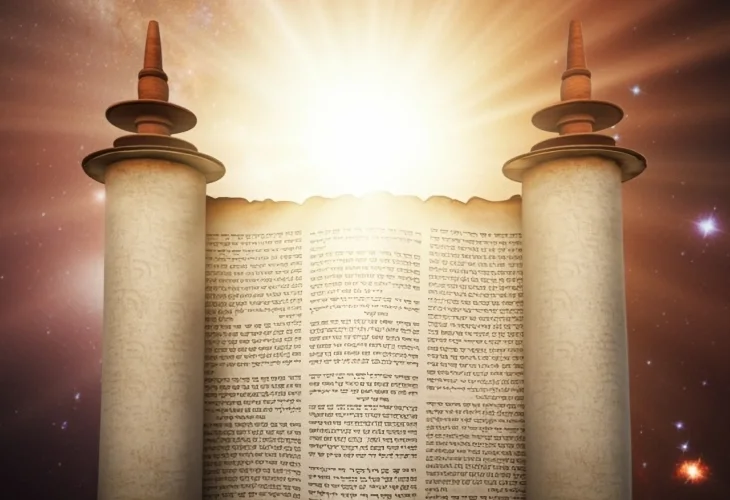 (Photo: shutterstock)
“And it came to pass in those many days that the king of Egypt died, and the children of Israel groaned because of the labor, and they cried out, and their cry rose up to God because of the labor” (Exodus 2:23).
Rabbeinu Bachya explains this verse as revealing a deep connection between prayer that arises from pain to redemption. His words offer meaningful spiritual insight into the redemption from Egypt and into future redemptions as well.
Why They Groaned at the King’s Death
Rabbeinu Bachya emphasizes that the children of Israel groaned specifically when the wicked king died. At first glance, this seems surprising. One might expect them to rejoice at his death. Instead, they feared that an even worse ruler might rise in his place. Their situation did not improve, and perhaps even worsened, which led them to cry out.
As he explains, during those many days while Moses was fleeing from Pharaoh, the king of Egypt died, and the children of Israel groaned from the labor. They were distressed by his death, despite his wickedness, out of fear that someone more evil might replace him. Their cry was a response to the oppression inflicted upon them, as it is written, “From the multitude of oppressions they cry out” (Job 35). Their cry rose to God from the labor.
The Power of Prayer from Distress
Rabbeinu Bachya notes that the verse repeats the phrase “from the labor” twice. This repetition teaches a profound idea: prayer that emerges from pressure and pain is especially accepted by God.
He brings as an example the prayer of Jonah the prophet, who describes how prayer from a place of distress enters directly into God’s holy sanctuary. When a person prays from the depth of hardship, that prayer carries a unique power.
Prayer as the Key to Redemption
According to Rabbeinu Bachya, it was specifically the cry and prayer of the people, rising from their suffering, that brought about redemption.
Even though the appointed time for redemption had already arrived, the people were not yet worthy of it. Only when they cried out to God from their hardship was their prayer accepted.
From here we learn that a person’s most complete prayer is one that comes from difficulty and pressure. Such a prayer rises directly before God.
A Model for Future Redemption
Rabbeinu Bachya sees in this passage a hint to the future redemption as well. Just as the redemption from Egypt came through repentance and prayer, so too future redemption depends on our actions, especially repentance and prayer.
He adds that the Torah’s mention of Moses immediately afterward hints to this idea: the coming of the redeemer depends on repentance and prayer, just as it did in Egypt.
Lessons for Our Own Lives
Rabbeinu Bachya offers several powerful insights:
The power of prayer from distress: Prayer that comes from deep pain has a special ability to rise before God.
Redemption depends on repentance: It is not enough for the time of redemption to arrive. We must become worthy through repentance and prayer.
Learning from the past: The story of the Exodus is not only history, but a model for future redemption.
His words give deeper meaning to our prayers even today. They encourage us to call out to God from within our struggles, with faith that such prayer can open the door to both personal and collective redemption.

