

Jewish Dating
Before the Chuppah: Essential Halachic Guidelines
Getting engaged or planning a wedding? Here are key halachic guidelines to help you prepare for marriage with clarity, confidence, and purpose.
- Shuli Shmuali
- | Updated
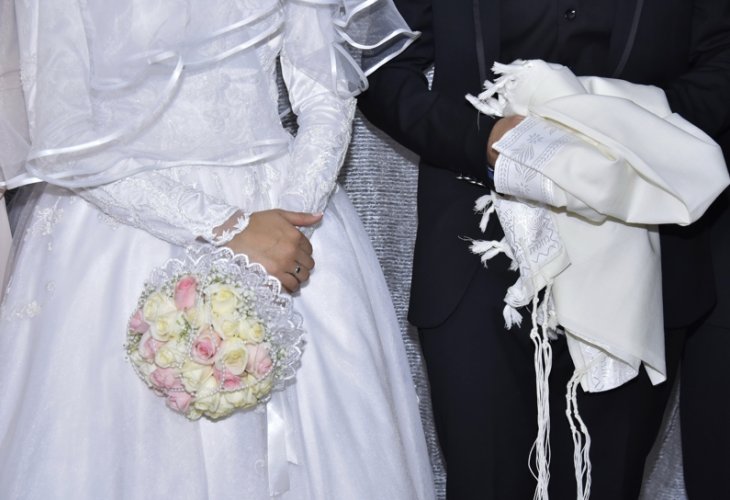 (Photo: shutterstock)
Are you dating or already engaged? There are important halachic guidelines to be aware of during dating, throughout the engagement period, and on the wedding day itself. These are based on the rulings of Rabbi Yitzhak Yosef.
When Names Match
If the bride has the same name as the groom’s mother, this is not a reason to turn down the match if everything else is suitable. However, it is recommended that the bride add an additional name and begin using it publicly at least 30 days before the wedding.
If the groom’s father and the bride’s father share the same name, there is a well-known warning from Rabbi Yehuda HaChassid. Still, many sources show that this was not treated as a practical concern. If the families are not worried about it, they do not need to be.
Family Connections
Two brothers are allowed to marry two sisters, and there is no issue with doing so.
It is also permitted for a man to marry a second wife who has the same name as his first wife, though in that case, a name change should be made.
What Must Be Shared
When it comes to sharing sensitive information, it is important to be careful.
If there is negative or sensitive information about one of the sides, you should not decide on your own whether to share it. Since this can involve the serious issue of lashon hara, it is best to consult a qualified halachic authority.
At the same time, certain important facts must be shared. For example, if one of the sides is adopted, this needs to be disclosed. If there is a serious medical condition, especially one that could affect the future, there is an obligation to inform the families. This is part of the responsibility not to stand by when harm could occur.
On the other hand, smaller details usually do not need to be shared. A minor health issue, for example, does not have to be mentioned unless someone asks directly.
Marrying a Daughter of a Kohen
A daughter of a Kohen should be careful not to marry someone who publicly desecrates Shabbat.
Ideally, she should marry someone who is observant or at least committed to regular Torah study.
If someone promises that he will change, it is important not to rely on words alone. Real change needs to be seen over time.
During the Engagement Period
This is a time for real preparation.
Every bride should learn the laws of family purity with proper guidance.
Both the bride and groom should also think about their intentions. Marriage is not only about building a life together, but about creating a home with holiness and purpose. The way they approach this mitzvah has a lasting impact on their future family.
The Wedding Day
The wedding day is a special and meaningful time.
It is a day for reflection, teshuvah, and prayer. The bride should take time to ask for forgiveness and pray that Hashem’s presence will rest in their home.
It is also important to make peace with others, especially with parents, similar to the preparation before Yom Kippur. Issues between people should be resolved before this new stage begins.
Parents as well should try to make peace with anyone they may be in conflict with.
Before the Chuppah
It is recommended that the bride and groom avoid taking photos together before the chuppah. This is to prevent situations that could lead to physical contact.
Under the Chuppah
The moment under the chuppah is very meaningful.
The bride should pay attention to the words the groom says when giving the ring and understand their meaning. The groom should also be aware that he is giving the ring as part of kiddushin, not just as a gift.
Both should be careful not to interrupt the blessings. For example, they should not respond “Baruch Hu uvaruch Shemo,” since they need to drink from the wine, and this would be considered an interruption.
If they did respond, they may still drink, relying on more lenient opinions.
Wedding Celebrations
If there is concern that guests may begin mixed dancing, steps should be taken to prevent it, including stopping the music if necessary.
It is not permitted for women to dance before the bride in a place without proper separation.
Wedding Videos
If the wedding is being filmed, care should be taken not to include footage of women dancing.
If such footage was recorded, it should be edited and separated into a different video.
Building a Strong Beginning
The time leading up to a wedding is not just about planning an event.
It is about building the foundation of a future home.
With awareness, preparation, and the right mindset, a couple can begin their life together with clarity, purpose, and blessing.

