

Parashat Shemot
True Wisdom: Why Humility Is the Key to Growth
What does it take to gain real wisdom? A powerful Torah perspective reveals why stepping back, not forward, is the path to true understanding.
- Yisrael Koenig
- | Updated
 (Photo: shutterstock)
“Toyota, pull over!”
A frustrated officer steps out of his patrol car and approaches the driver’s seat. Inside sits an elderly man, around eighty-three, looking puzzled about why he has been stopped.
“Are you okay?” the officer asks. “Why are you driving so fast? Where do you need to get to, especially at your age?”
The old man answers simply, “I need to get there quickly… before I forget where I was going.”
It sounds amusing at first, but it hints at something deeper. Sometimes we rush forward, convinced we know where we are going, when in truth we are not entirely clear at all.
Standing at a Distance
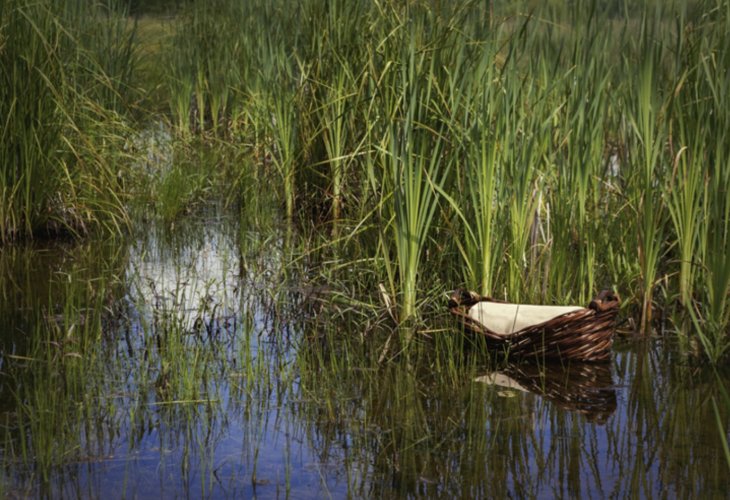
During one of the most dramatic moments in the Torah, baby Moshe is placed in a basket among the reeds. His sister Miriam watches from afar, and the Torah emphasizes this detail: “His sister stood at a distance to know what would happen to him.”
At first glance, this seems puzzling. If someone wants to understand what is happening, wouldn’t they try to get as close as possible? Yet the Torah highlights the opposite approach, suggesting that distance itself carries meaning.
A Lesson About Wisdom
A story can help bring this idea into focus. A professor once traveled to a remote country for research and needed to cross a river. He hired a local boatman, and as they began the journey, he grew curious about the man’s background.
“Have you ever studied mathematics?” he asked.
The boatman shook his head. “No, I have not.”
The professor responded seriously, “Then you have lost a quarter of your life.”
A few minutes later, he asked, “Have you studied philosophy?”
Again, the answer was no, followed by the same dismissive conclusion.
The conversation continued in this tone until the weather suddenly shifted. The river grew rough, the waves rose, and the small boat began to shake.
The boatman, now focused on keeping them steady, called out, “Tell me, have you ever learned how to swim?”
The professor admitted that he had not.
“In that case,” the boatman replied, “you have lost your entire life.”
The Danger of Feeling Close
The sages explain that Miriam’s choice to stand “at a distance” teaches a powerful lesson. Wisdom is compared to a sister, as it says in Mishlei, “Say to wisdom, you are my sister.”
To truly gain wisdom, a person must approach it with humility. When someone feels entitled to knowledge, convinced they already understand, they create a barrier. The closer a person believes they are to wisdom, the further it may actually move away.
Humility, on the other hand, opens the door.
Slowing Down to See Clearly
The elderly driver rushed forward, thinking speed would help him reach his destination, yet his urgency only revealed confusion. The professor relied on his knowledge to elevate himself above others, but in a moment of real danger, it was the boatman’s simple, practical understanding that mattered most.
Miriam, by contrast, stood at a distance with quiet awareness. Sometimes, stepping back allows a person to see more clearly, without the interference of ego or assumption.
The Path to Real Growth
True wisdom does not come from pushing forward with certainty or from believing we already have the answers. It grows from recognizing what we do not yet know and being willing to learn.
When a person creates space, both intellectually and emotionally, wisdom has room to enter.
And often, the first step toward real understanding is simply the willingness to stand, like Miriam, just a little bit back.

