

Family Purity
A Mikveh in the Desert: One Woman’s Journey of Growth
At Israel’s edge, half a kilometer from Egypt, farmer Sarah Yifrach spent nine years building a mikveh, and discovered an unexpected journey of teshuvah and purpose.
- Michal Arieli
- | Updated
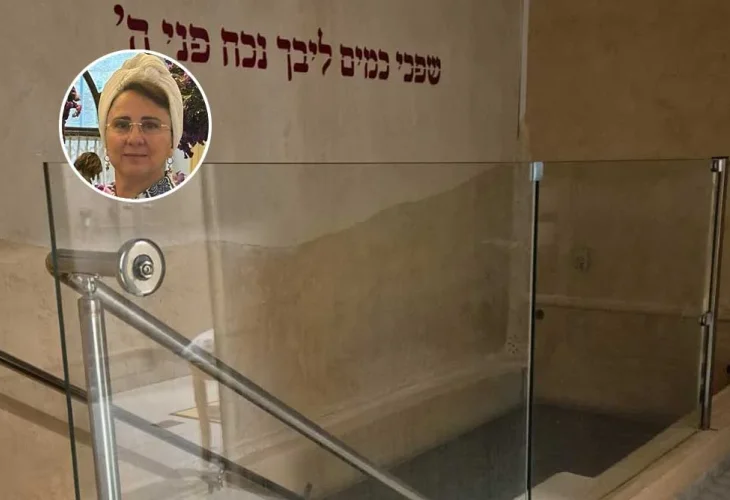
For decades, Sarah Yifrach has lived in Kadesh Barnea, a small moshav in Israel’s desert, just a few kilometers from the Egyptian border. She and her husband arrived with a simple dream: to build a farm and make the desert bloom. As the daughter of a farming family who grew up in Yamit, she never imagined that alongside cultivating the land, she would help nurture something far deeper, the spiritual life of an entire community.
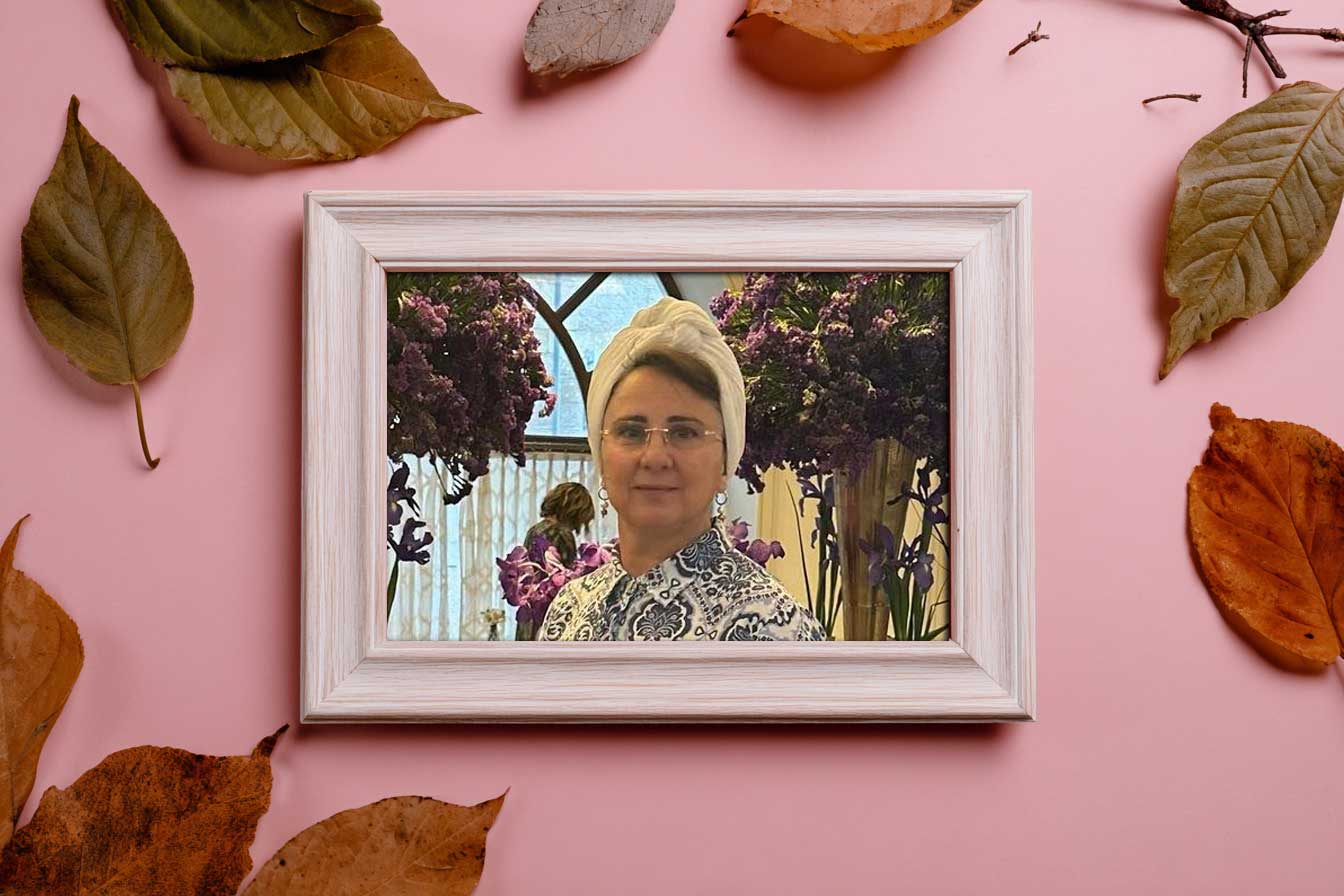 Sarah Yifrach
Jewish Life at the Edge of the Desert
Kadesh Barnea is the largest moshav in the Nitzana region, home to about ninety families. It is not a place you pass by accidentally. It sits at the very edge of the country, surrounded by a vast, quiet desert.
“The moshav was originally established at biblical Kadesh Barnea,” Sarah explains. “When Sinai was evacuated, it moved here, right near the border. Since the 1980s, we’ve been just half a kilometer from Egypt.”
She arrived in the 1990s with her husband, and together they built their farm. At the time, there was no synagogue.
“My husband and his partner decided to build one,” she recalls. “At first, it was only active on Yom Kippur.”
Sarah became deeply involved, taking responsibility for maintaining the space and helping shape community life. She arranged for yeshiva students to come during the High Holidays so there would be a minyan. Over time, the synagogue became active year round, hosting full services on Rosh Hashanah and Yom Kippur, along with britot and bar mitzvahs for families across the region.
But this was only the beginning.
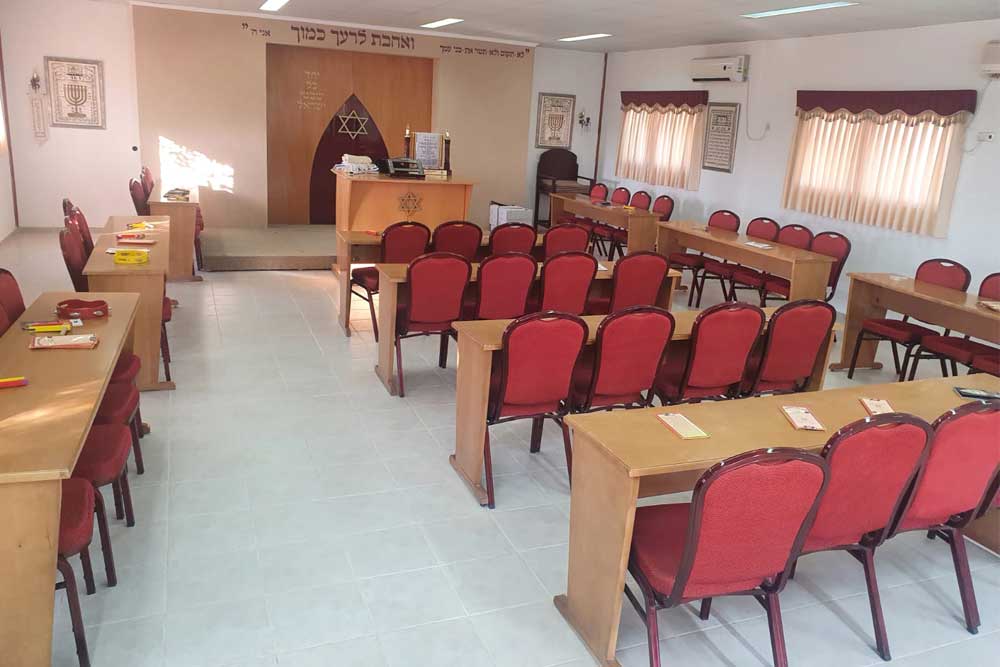 The synagogue on he Moshav, built by Sarah's Husband
 An Unexpected Mission
One day, women from a nearby moshav approached her with a request. They wanted to build a mikveh, but the regional council kept rejecting their plans.
“They asked for my help,” Sarah says. “At the time, I didn’t really know much about taharat hamishpachah.”
Still, she could not say no. She joined their efforts, attending meetings, presenting proposals, and pushing the idea forward again and again.
Years passed without progress.
“At some point, I realized I was working so hard for something I didn’t fully understand,” she says. “So I decided to learn.”
At age forty, she told her husband she wanted to begin observing the laws of family purity. Around the same time, she discovered Torah classes that deepened her understanding of the meaning behind the mitzvah.
“That’s when everything began to change,” she says.
Like a Natural Spring
Looking back, Sarah sees that this was the beginning of her personal journey.
“The more I learned, the more I wanted to grow,” she says. “Hashem sent me exactly the teachers and tools I needed along the way.”
Meanwhile, the effort to build the mikveh continued.
“After seven years, we finally received approval, by a single vote,” she recalls. “We were given land, but the budget was extremely limited.”
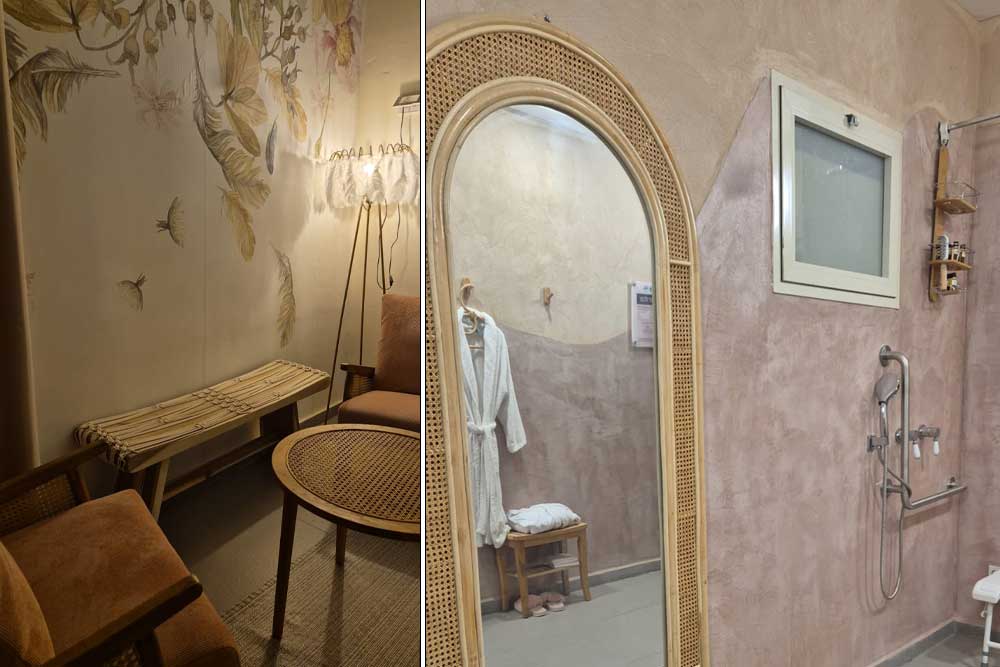
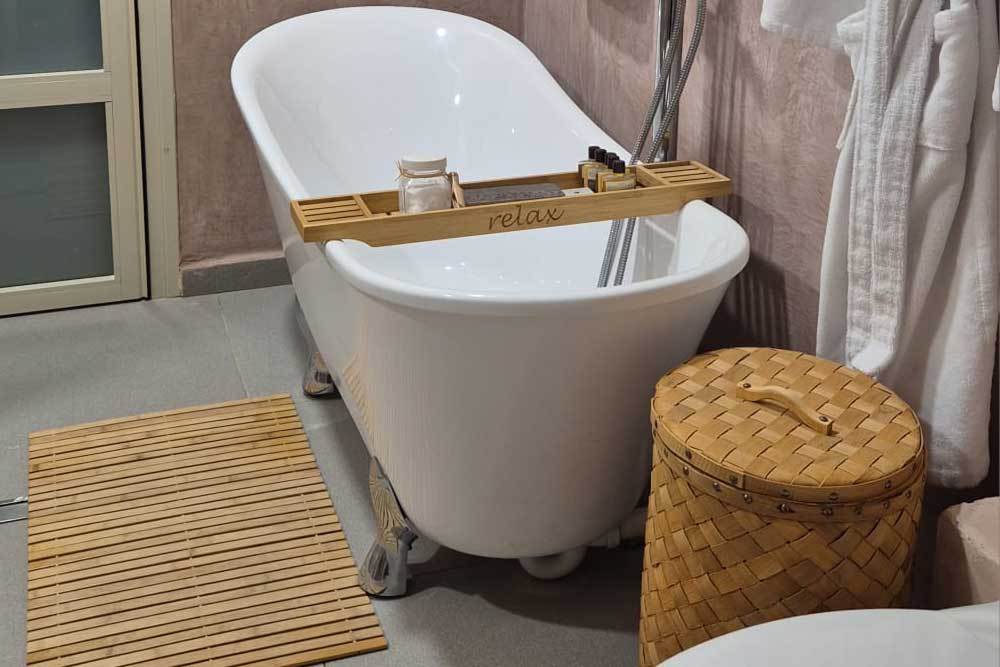
So she took on the project herself. Using her background in design, she planned the mikveh from the ground up, drawing inspiration from others across the country.
“I wanted it to feel like a natural spring,” she explains. “Something pure, something that fits the desert, not artificial or forced.”
At the same time, another idea began to take shape. After witnessing a moving pre wedding immersion, she decided to train as a kallah instructor. Soon after, she also chose to become a balanit, guiding women through the immersion process.
“I never imagined I would go in that direction,” she says.
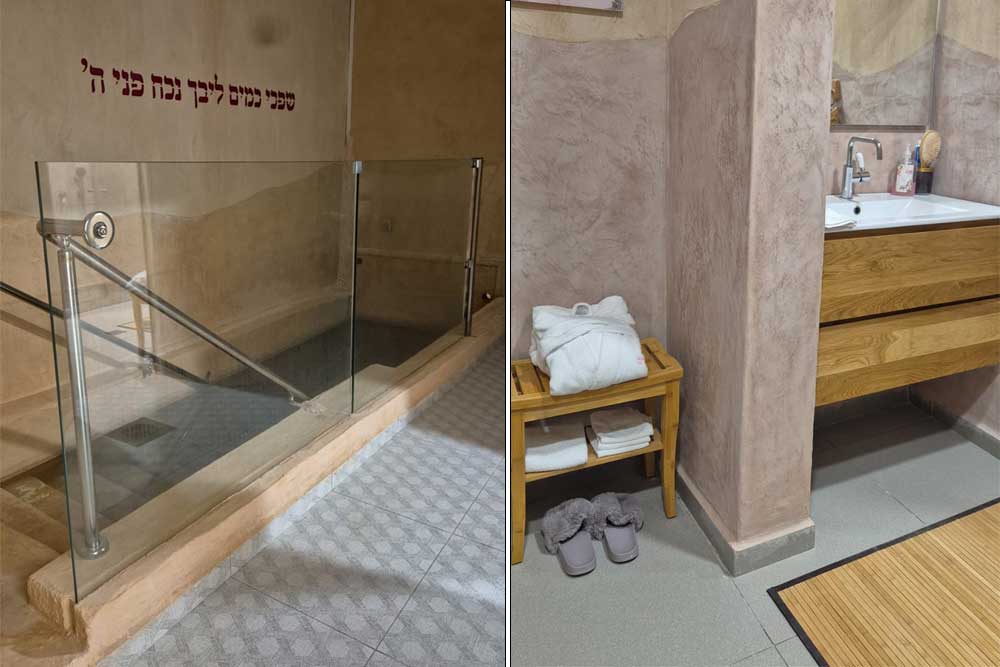 "I wanted it to feel like a natural spring"
A Mikveh Is Born
Sarah often says that a mikveh is not opened, it is born.
“In our case, it took nine years,” she explains. “Like a full pregnancy. In a way, the mikveh and I were born together.”
Even after construction was complete, challenges remained. In the desert, rain is rare, and the mikveh could not open without natural water.
A truck was brought in with snow from Mount Hermon to help fill the system. Shortly after, heavy rains arrived, filling the reservoirs completely.
“Only then did I feel we could truly open,” she says.
But even then, there were delays. Looking back, Sarah feels that something deeper was holding things back.
“I felt it wasn’t right for the mikveh to open while I still wasn’t covering my hair,” she shares.
Although she wanted to take on this step, it felt difficult. Each time she tried, she did not feel comfortable.
One Shabbat, she shared this with her family. Her daughter in law, who is not religious, gently encouraged her. The following week, Sarah tried again.
“This time, something shifted,” she says. “From that day on, I never took it off.”
Three weeks later, every remaining obstacle disappeared, and the mikveh officially opened. The first immersion was a bride.
“It was a powerful moment,” Sarah says quietly.
A Place of Renewal
Today, Sarah sees her role as a privilege.
“If you had asked me ten years ago, I never would have imagined this path,” she says. “Now I understand it’s a mission.”
One story, in particular, stays with her.
A friend from central Israel, seriously ill, came to visit. She had not immersed since her wedding day decades earlier. Sarah encouraged her to come, offering her a peaceful place to stay nearby.
The experience was deeply emotional. The immersion gave her strength and clarity.
“She told me, ‘I choose life,’” Sarah recalls.
Months later, the woman passed away. But her final chapter had been filled with meaning and peace.
In her memory, Sarah helped create a project that allows women to come, immerse without pressure, and reconnect in a calm and supportive environment.
A Light That Spreads
“Every woman who comes here leaves differently,” Sarah says. “With more light, more strength.”
For her, the mikveh is more than a building. It is a place of renewal, of quiet transformation, of connection.
And in the middle of the desert, far from the noise of the world, that light continues to grow.

