

Wonders of Creation
Surprising Facts About Rain: Shape, Scent, and Extreme Weather Around the World
From the true form of raindrops to why rain smells so good, discover fascinating insights about one of nature’s most essential forces
- Debbie Reichman
- | Updated
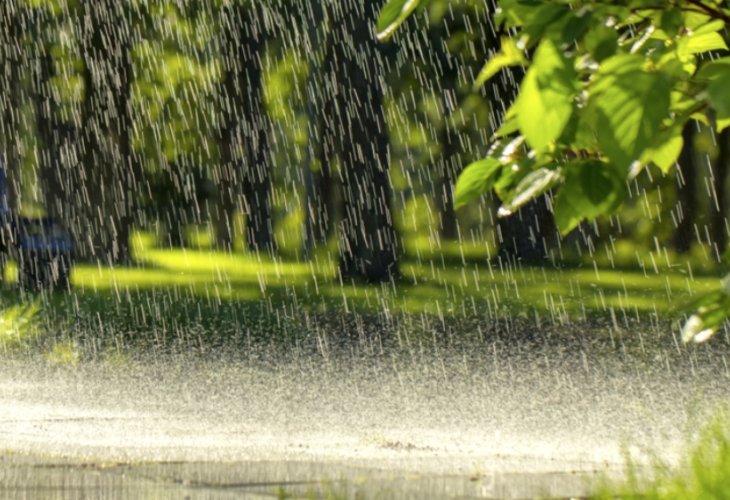 (Photo: shutterstock)
As these lines are being written, we have only just begun to pray for rain. By the time you read this, the rain may already have arrived, or we may still be waiting. Either way, we’ve gathered some surprising facts about rain that might interest you.
The Shape and Scent of Rain
What is the shape of a raindrop? We all tend to draw it as narrow at the top and wide at the bottom. In reality, raindrops begin their journey in a more rounded, slightly flattened shape — like a small bun. As they fall toward the ground, air resistance flattens them somewhat, giving them the familiar “teardrop” shape we recognize.
There’s nothing like the smell of fresh rain, right? Actually, rain itself has no smell. That wonderful scent, especially after the first rain, comes from the ground. Certain plants and soil-dwelling bacteria release chemicals into the air when rain falls, and these chemicals are what create that beloved earthy aroma.
Where Does It Rain the Most — and the Least?
Where does it rain the least? Most people would probably say “the desert.” However, there are times when deserts can actually receive rainfall. In contrast, the continent of Antarctica which is completely covered in snow and ice, is the driest place in terms of precipitation, receiving an average of only about 165 mm of rain (or its equivalent) per year.
On the opposite extreme from Antarctica is Cherrapunji in India, one of the rainiest places on Earth. It receives an astonishing average of about 26,460 mm of rainfall in a single year.
When Rain Never Reaches the Ground
There are also regions in the world where rain falls not only in cold weather, but throughout the year, even in very hot conditions. In deserts, for example, rain can fall when temperatures are extremely high. In such cases, the rain doesn’t always reach the ground. If the air is hot enough, you may see rain falling high in the sky, but as the droplets descend, they evaporate before ever touching the earth.

