

Faith (Emunah)
A Call Before Rosh Hashanah: Rav Shach’s Lesson in Humility
A powerful true story reveals Rav Shach’s extraordinary humility and what it teaches about respect, responsibility, and how we treat others.
- Naama Green
- | Updated
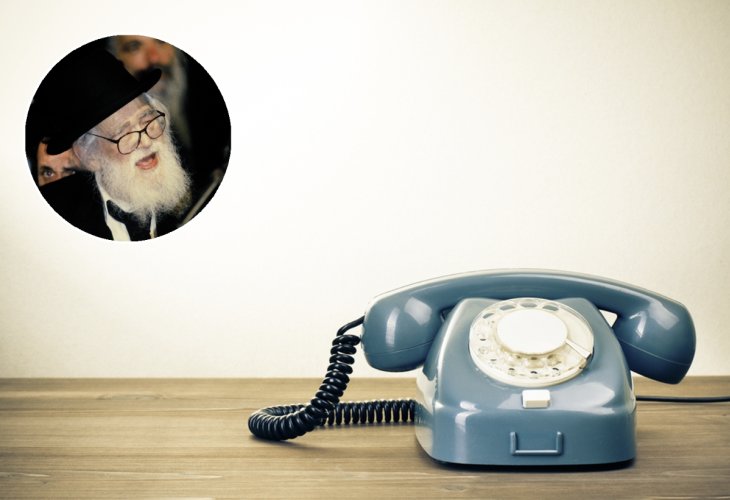 In the circle: Rav Shach (Photo: Moshe Shai / Flash 90)
In his book Bimchitzatam, Rabbi Shlomo Lorincz shares a personal story about Maran Rav Shach.
“It is a moving episode. Every time I tell it, I become emotional to the point of tears. If it had not happened to me, I would not have believed it,” Rabbi Lorincz writes.
A Surprising Phone Call
It was the eve of Rosh Hashanah when the phone rang in Rabbi Lorincz’s home. On the line was Rav Shach.
“I want to wish you a happy and healthy new year,” Rav Shach said, extending the blessing to Rabbi Lorincz, his wife, his children, and the entire family. Then he added something unexpected.
“I wanted to come to you in person to wish you a good year, because that is how it should be. I feel obligated to come personally. But I am very weak and unable to travel to Jerusalem. I apologize for that and ask your forgiveness.”
Rabbi Lorincz describes his reaction simply: “I began to cry. I felt ashamed of myself.”
Making Sure It Was Understood
Moments later, Rabbi Lorincz heard Rav Shach speaking in the background to his attendant, Rabbi David Zimmerman. Rav Shach asked him to confirm that everything had been heard clearly.
Rabbi Zimmerman relayed the question, and Rabbi Lorincz replied that he had heard every word. But Rav Shach was not satisfied with a general answer. He asked again, wanting to be sure of something very specific.
Did he hear that I wanted to come in person? That I felt obligated to come? That I cannot come only because of weakness? And that I am asking for forgiveness?
Rabbi Zimmerman repeated the questions, and Rabbi Lorincz confirmed once more. Rav Shach wanted to be certain that his apology had truly been understood.
A Second Blessing
Only after Rav Shach was fully satisfied did he take the phone again.
“Now I want to wish you once again a happy and healthy new year,” he said, repeating his blessing.
A Lasting Impression
Rabbi Lorincz later shared the story with his family through tears. “There is no need to describe the impression it made,” he writes. “Humility to such an extent is hard to believe. But even if it is difficult to grasp, this story must be told because of the great lesson within it.”
“This is not something I read or heard from others. It happened to me personally. I was simply overwhelmed,” he adds.
A Lesson for All of Us
Rabbi Lorincz reflects on what he witnessed. “If this is how the teacher of Israel behaves, how should I behave?”
He concludes with a powerful observation. We are often very sensitive about our own honor. We feel entitled, and we become upset when we think we have been slighted. But someone who truly encountered such humility cannot remain unchanged.
“It cannot be,” Rabbi Lorincz says, “that a person sees such humility and continues to hold on to pride.”

