

History and Archaeology
Jerusalem Day: Six Days That Changed Jewish History
As Jerusalem Day approaches, revisit the story of the Six-Day War and the emotional reunification of Jerusalem that changed Jewish history.
- Naama Green
- | Updated
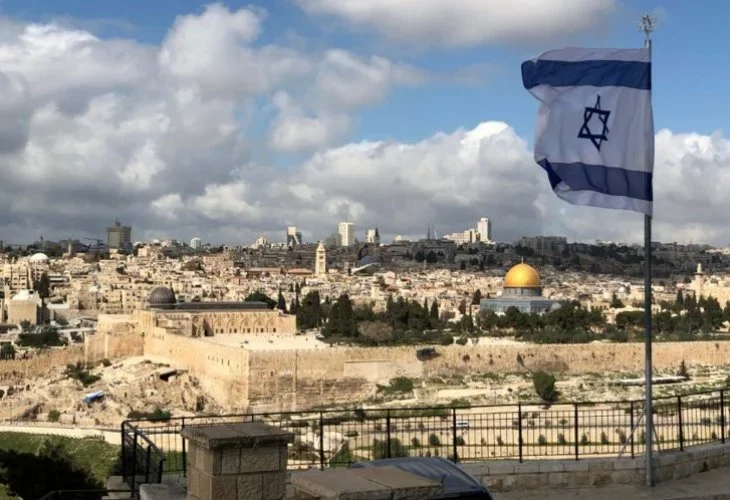 (Photo: Shutterstock)
In the early days of the State of Israel, fear hung heavily in the air. Surrounded by hostile nations and facing threats of annihilation, the situation seemed dire.
Then, in just six days, everything changed.
What unfolded during the Six-Day War was not only a military victory, but a chain of events that many described as extraordinary. From sudden enemy retreats to deeply moving moments at the Western Wall, the war left behind powerful testimonies that continue to resonate today.
A War Against Overwhelming Odds
In the years following Israel’s founding, neighboring Arab states massed forces along its borders and openly threatened destruction. Israel faced armies from Egypt, Jordan, and Syria, supported by additional nations across the region.
With no alternative, the Israel Defense Forces launched a preemptive strike to break the encirclement. The war took place over six days, from late May to early June 1967.
Despite being vastly outnumbered, Israel achieved a swift and decisive victory. Enemy forces were defeated on multiple fronts, and territories including the Sinai Peninsula, the Golan Heights, and Judea and Samaria came under Israeli control.
A Sudden and Decisive Victory
The speed and scale of the victory stunned the world.
In a matter of hours, the Israeli Air Force disabled hundreds of Egyptian aircraft on the ground. Ground forces broke through fortified positions, advancing rapidly across Sinai and reaching the Suez Canal.
From the east, Jordanian forces attacked Jerusalem, but Israeli paratroopers pushed back, capturing East Jerusalem and reuniting the city.
In the north, Syrian positions on the Golan Heights were overtaken, removing a major threat.
The outcome seemed almost unimaginable. A small nation had defeated multiple armies in less than a week.
The Moment Jerusalem Was Reunited
One of the most emotional moments came on the 28th of Iyar, when Israeli paratroopers entered the Old City of Jerusalem and reached the Western Wall.
After years of being unable to access the site, Jewish soldiers stood before the ancient stones once again.
Many wept openly. Religious and secular soldiers alike felt the weight of the moment. Over the radio came the historic words: “The Temple Mount is in our hands.”
This moment became a defining point in modern Jewish history.
Jerusalem Day and Its Lasting Impact
The day Jerusalem was reunited was later established as Jerusalem Day.
For many, the return to the Western Wall symbolized more than a military achievement. It represented connection, continuity, and the restoration of something deeply rooted in Jewish identity.
The impact was felt not only in Israel, but across Jewish communities around the world.
Testimonies of Unusual and Unexplained Events
Alongside the military success, many soldiers shared experiences that were difficult to explain through strategy alone.
Some accounts describe enemy soldiers fleeing before Israeli forces even arrived. Others spoke of a strong sense of guidance, as if they were being led through unfamiliar terrain.
There were also reports of moments where vastly outnumbered soldiers found themselves in situations that ended in unexpected surrender rather than confrontation.
In one account, a single soldier approached a group of armed fighters and, against all expectations, they surrendered without resistance.
A Sense of Higher Guidance
Several soldiers described feeling a sense of protection or direction during the fighting.
One commander recalled a powerful light guiding his unit toward the Western Wall. Others spoke of a feeling of holiness and spiritual elevation when they reached the site.
These experiences left a deep impression, reinforcing a belief that something beyond human planning was at work.
A Turning Point in History
The events of the Six-Day War, especially the liberation of Jerusalem, left a lasting mark on those who experienced them.
For many, the combination of military success and deeply personal moments created a powerful sense of meaning. The testimonies, the emotions, and the unexpected turns in battle continue to shape how this period is remembered.
Strength Beyond the Battlefield
In the end, the story of the Six-Day War is not only about strategy or strength. It is also about resilience, belief, and the experiences that soldiers carried with them long after the fighting ended.
For those who lived through it, the war was not just a victory. It was a moment that felt larger than history itself.

