

Facts in Judaism
What Is the Haftarah? Meaning, History, and 7 Key Facts
Learn what the Haftarah is, how it began, and why it remains a meaningful part of the Shabbat reading each week.
- Yonatan HaLevi
- | Updated
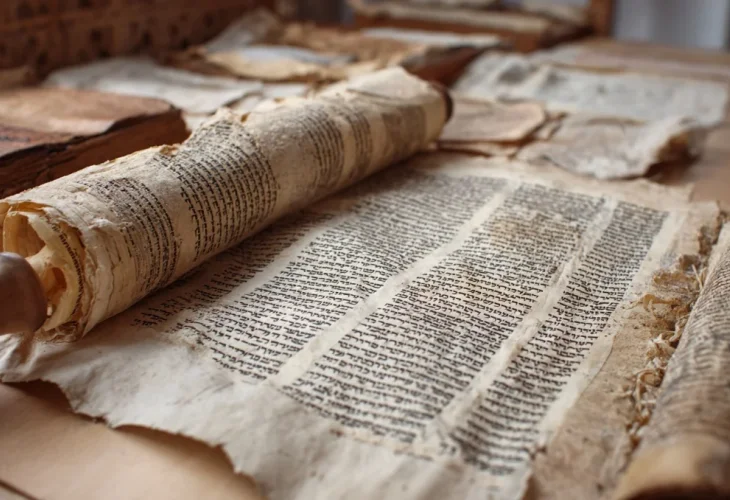
Every Shabbat, after the public Torah reading, the congregation continues with another reading: the Haftarah, a passage from the books of the Prophets.
Why was this custom established? When did it begin? And is the Haftarah simply a technical add-on to the service, or does it carry a deeper meaning?
Here are seven important facts about the Haftarah.
1. The Haftarah Is Read After the Torah Reading
The Haftarah is a passage from the books of the Prophets, read after the weekly Torah portion on Shabbat.
The person who reads the Haftarah is first called up for maftir. Maftir is the final aliyah of the Torah reading. The person called for maftir repeats the last few verses of the Torah portion, or reads a special maftir reading on certain Shabbatot and holidays, and then recites the Haftarah from the Prophets.
This connects the Torah reading with the words of the Prophets and gives the Haftarah its place in the Shabbat service.
2. The Haftarah Has Special Blessings
Before reading the Haftarah, the reader recites a blessing that highlights the importance of the Prophets:
“Blessed are You, Hashem, our God, King of the universe, who chose good prophets and was pleased with their words, spoken in truth.”
The blessing concludes by praising Hashem, “who chooses the Torah and Moses His servant, Israel His people, and the prophets of truth and righteousness.”
After the Haftarah, four blessings are recited. These blessings speak about Hashem’s faithfulness, compassion for Zion, the future redemption through the house of David, and the holiness of Shabbat.
3. Some Communities Read It from a Scroll
In some synagogues, the Haftarah is read from a parchment scroll.
Each scroll contains one complete book of the Prophets, such as Kings, Isaiah, Jeremiah, and others. This practice gives extra honor to the reading and emphasizes that the words of the Prophets hold a central place in Jewish tradition.
4. The Haftarah Has Its Own Melody
The Haftarah is chanted with cantillation notes, known as trope, but its melody is different from the melody used for the Torah reading.
This special tune is unique to the reading from the Prophets and helps the congregation recognize that the service has moved from the Torah portion to the Haftarah.
5. Reading the Haftarah Is a Special Honor
Being honored with maftir and Haftarah is considered a meaningful privilege.
Communities often give this honor to someone marking a special occasion. It is commonly given to a Bar Mitzvah boy, since reading the Haftarah is often part of a Bar Mitzvah celebration. It may also be given to someone observing a yahrzeit, the anniversary of a loved one’s passing.
6. The Custom Began During a Time of Persecution
According to tradition, the custom of reading the Haftarah began during the Hasmonean period, after the decrees of Antiochus Epiphanes.
At that time, public Torah reading on Shabbat was forbidden. To prevent the practice of Shabbat reading from being forgotten, the Jewish people began reading a chapter from the Prophets instead.
The Greeks did not forbid the books of the Prophets because they viewed them as general moral writings rather than binding religious law. After the decree against Torah reading was abolished, the Jewish people continued reading the Haftarah.
What began as a response to danger became a permanent and beloved part of the Shabbat service.
According to this explanation, the name “Haftarah” is connected to taking leave from the Torah reading. It began as a substitute when Torah reading was banned, and later remained as the concluding prophetic reading after the Torah portion.
7. The Haftarah Connects to the Weekly Torah Portion
The Haftarah is usually chosen because it connects to the theme of the weekly Torah portion.
For example, when Parashat Bereshit is read, the Haftarah comes from Isaiah 42 and 43, which speak about the creation of the world. When Parashat Noach is read, the Haftarah includes verses from Isaiah that mention Noach and the Flood.
Some Haftarot are chosen because of the time of year rather than the weekly portion. There are special Haftarot for a Shabbat that falls on Rosh Chodesh, for the Shabbat before Rosh Chodesh, for holidays, and for fast days.
The Text of the Haftarah Blessings
Before the Haftarah, we recite:
“Blessed are You, Hashem, our God, King of the universe, who chose good prophets and was pleased with their words, spoken in truth. Blessed are You, Hashem, who chooses the Torah and Moses His servant, Israel His people, and the prophets of truth and righteousness.”
After the Haftarah, several blessings are recited. In the Sephardic rite, the following phrase is added:
“Our Redeemer, Hashem Tzevaot is His name, the Holy One of Israel.”
The blessings that follow praise Hashem as faithful in all His words, ask Him to have compassion on Zion, pray for the coming of Elijah the prophet and the kingdom of David, and thank Him for the Torah, the service, the Prophets, and the holiness of Shabbat.
The final blessing ends:
“Blessed are You, Hashem, who sanctifies the Shabbat.”
Why the Haftarah Matters
The reading of the Haftarah strengthens our faith in the words of the Prophets and gives them a place of honor alongside the Torah reading.
This idea is expressed clearly in the blessing itself:
“Blessed are You, Hashem, who chooses the Torah and Moses His servant, Israel His people, and the prophets of truth and righteousness.”
The Haftarah reminds us that the voice of Torah continues through the words of the Prophets, guiding the Jewish people with truth, faith, and hope.

