

Facts in Judaism
Pesach Sheni Explained: The Power of Second Chances in Judaism
Discover the meaning of the 14th of Iyar — from its origin in the Torah to its powerful message that it’s never too late to return and reconnect
- Yonatan HaLevi
- | Updated
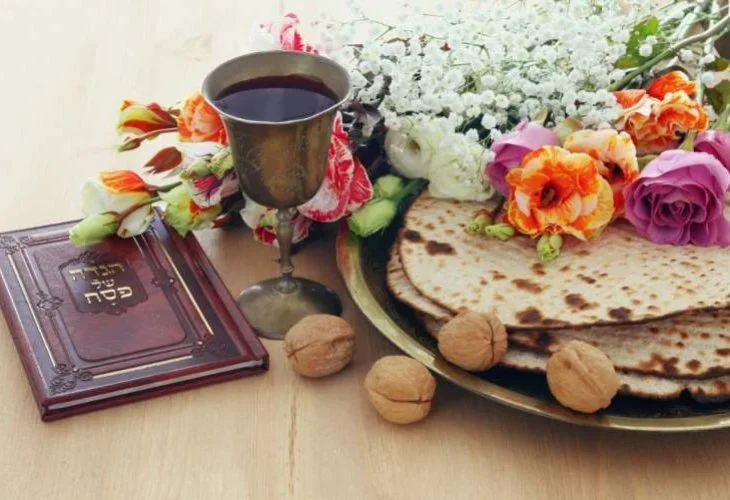 (Photo: Shutterstock)
The 14th of Iyar is known as Pesach Sheni (“Second Passover”). In the times of the Temple, it provided another opportunity to bring the Passover offering for those who were unable to do so on the original date. Following are three important facts about Pesach Sheni.
1. Why Do We Observe Pesach Sheni?
In the year 2449 from Creation, the Israelites marked the first anniversary of the Exodus from Egypt on the 14th of Nisan by bringing the Passover offering. According to the divine command, only those who were ritually pure could participate.
A small group of people who were ritually impure due to contact with the dead approached Moses with a heartfelt complaint:
“Why should we be deprived of bringing the offering of God at its proper time among the Children of Israel?” (Numbers 9)
Because of their sincere desire, a new mitzvah was given — the commandment of Pesach Sheni. God instructed that anyone who was impure or on a distant journey could bring the offering one month later, on the 14th of Iyar, together with matzah and bitter herbs, following the same laws as the original Passover offering.
From that time on, Pesach Sheni became a “second chance” for those who missed the first opportunity.
2. Pesach Sheni Today
Today, since the Temple no longer stands in Jerusalem, the Passover offering is not brought.
Nevertheless, the day is marked with a lighter, more joyful tone. Tachanun (supplicatory prayers) is omitted from the prayers, and many have the custom to eat matzah.
3. The Message of Pesach Sheni
If someone forgot to light Chanukah candles, can they make it up weeks later? If someone missed taking the lulav on Sukkot, can they do it afterward?
The answer is no. In most of the Torah, once the time for a mitzvah has passed, the opportunity is gone.
What makes Pesach different?
The answer lies in the deep longing of those individuals who were unable to bring the offering the first time. Their sincere cry of “Why should we be left out?” opened a new path.
According to the Zohar, special gates of spiritual light open on the 14th of Iyar for an entire week, offering a unique opportunity for spiritual connection and renewal.
Pesach Sheni teaches a powerful lesson: Spiritual abundance is always available, but it requires a vessel to receive it.
That vessel is desire. When a person truly longs to come closer to God, new pathways open, even beyond the usual rules.
The cry of “Why should I be left out?” has the power to open gates that nothing else can.
Pesach Sheni is not only a historical event, but a living message of hope. No matter how far a person feels, no matter what was missed, there is always a way back.
With sincere desire and effort, a second chance is always within reach.

