

Wonders of Creation
Masters of Disguise: The Incredible Camouflage of Wildlife
Discover how mimicry works in the natural world, from camouflaged insects to deceptive plants, and why these natural “costumes” are essential for survival
- Debbie Reichman
- | Updated
 (Photo: shutterstock)
During these days, when children are busy preparing costumes for the holiday of Purim, we will explore the “costumes” that exist naturally in the world created by God.
What Is Mimicry?
Mimicry is the scientific term for the phenomenon in which animals “disguise” themselves. Some animals naturally resemble other animals, while others create a disguised appearance in specific situations. The goal is to protect themselves from predators, either by blending into their surroundings or by intimidating threats. Another purpose is to help these animals hide more effectively so they can hunt their prey.
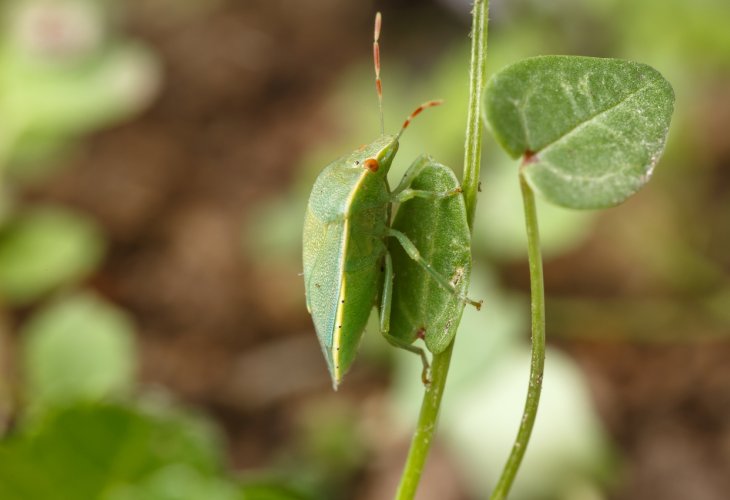
Mimicry appears in many forms. Some animals imitate the environment in which they live, such as insects that resemble leaves in color or shape, chameleons that change their color according to their surroundings, and snakes that resemble sand or rocks.
Imitating Other Animals
In other cases, animals mimic entirely different species. For example, there are non venomous snakes whose appearance resembles that of venomous ones. Some flies look like bees in order to deter predators. Anglerfish imitate cleaner fish, which help clean other fish, but instead use this disguise to approach larger fish, bite them, and escape.
The Illusion of Eyes
Many animals, especially butterflies and snakes, have patterns that resemble eyes, such as on butterfly wings or on the back of a cobra. This intimidating appearance helps keep predators away.
Interestingly, mimicry is not limited to animals. Some plants also use this strategy. One example is the bee orchid, which resembles a bee in shape in order to attract bees for pollination.

