

Facts You Didn't Know
Amazing Facts About the Ocean: What Lies Beneath the Surface
Discover the hidden world of the sea, from glowing deep sea creatures to its vital role in climate and oxygen production
- Tehila Cohen
- | Updated

The sea has always drawn us in. There is something calming about it, and it gives a sense of endless space that brings freedom to the soul. But beyond the beautiful view we see, there is much that remains hidden. Following are some fascinating facts about the sea that you may not know:
Most of the Ocean Is Still Unknown
Even though we are surrounded by oceans and seas, only a small portion has been explored in depth. Vast areas lie at depths that are extremely difficult to reach. This means there is an entire living world beneath us that we barely understand.
Complete Darkness in the Depths
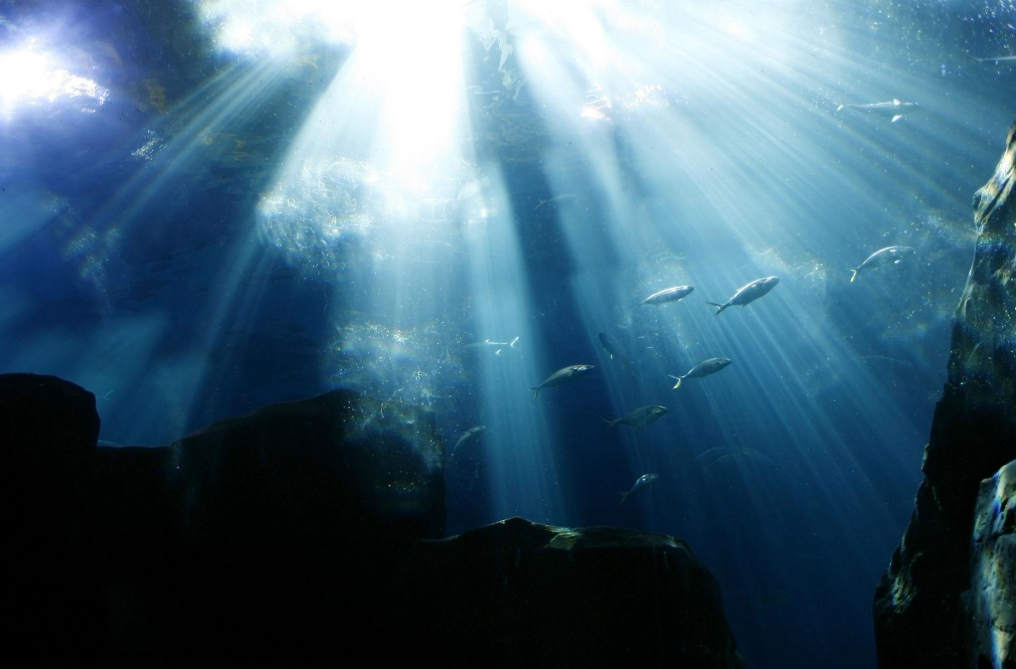
As you descend into the ocean, light gradually disappears. At a depth of a few hundred meters, sunlight is almost gone, and in deeper regions there is total darkness. The creatures that live there do not rely on vision as we know it, but instead have unique survival abilities. Some even produce their own light.
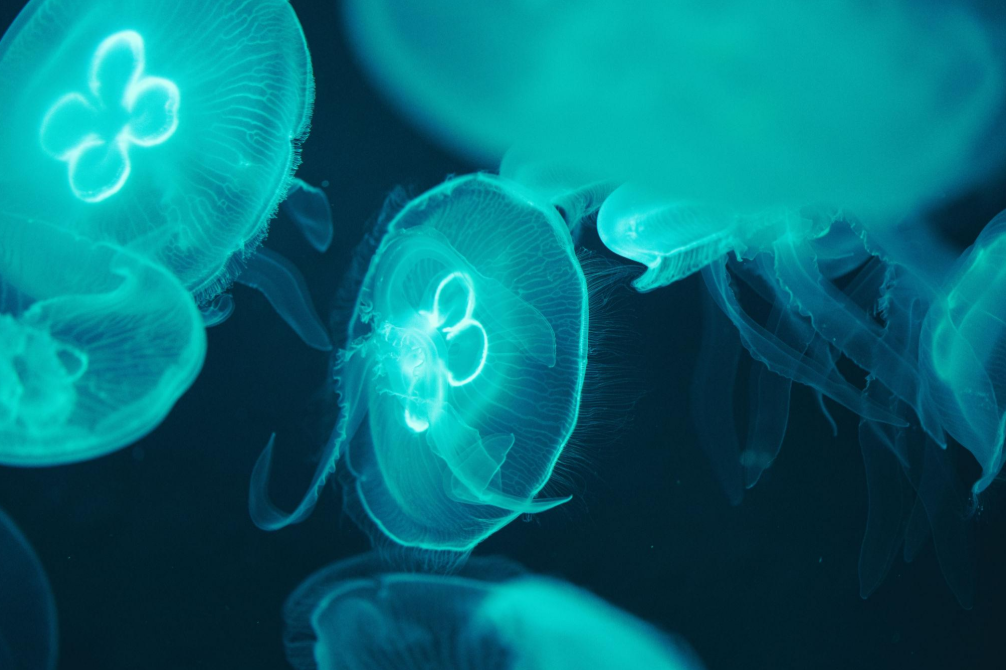
One of the most remarkable ocean phenomena is Bioluminescence, a trait that allows deep sea creatures to emit light. Fish, jellyfish, and other organisms use this light to communicate, defend themselves, or attract prey.
The Ocean Shapes the Climate
Oceans and seas play a central role in regulating the Earth’s temperature. They absorb heat, distribute it, and influence weather systems. Without the ocean, the climate would be far more extreme, and life as we know it would look very different.
A World of Sound Beneath the Surface
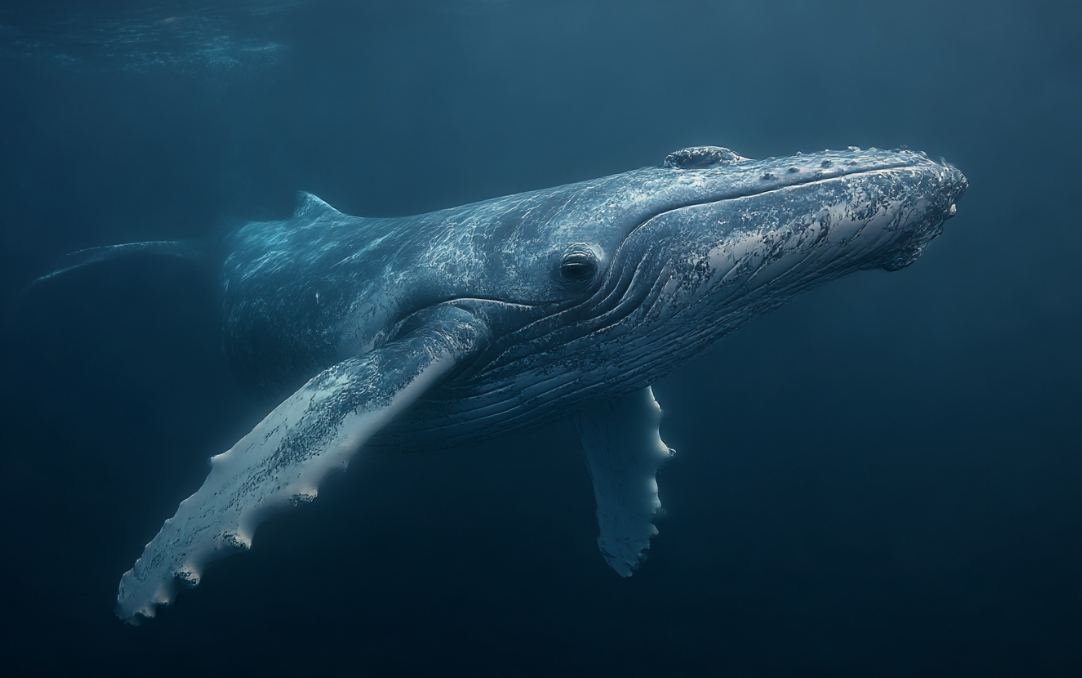
The sea may appear quiet, but beneath the surface there is a rich world of sound. Whales communicate across vast distances, various creatures produce noises, and even the movement of water creates sound. For marine life, sound is a primary tool for communication and survival.
Extreme Pressure in the Deep
As depth increases, pressure rises dramatically. In the deepest parts of the ocean, pressure can be hundreds of times greater than at the surface. Yet there are organisms specially adapted to survive in these extreme conditions.
The Ocean as a Source of Life
Beyond its beauty, the ocean is a major source of the oxygen we breathe. Tiny organisms such as algae and bacteria use sunlight, water, and carbon dioxide to produce food, and as part of this process they release oxygen. Some of this oxygen remains in the water for marine life, while some rises into the atmosphere through waves and wind.
Despite their microscopic size, these organisms produce a significant portion of the world’s oxygen. How great are the works of God?

