

Israel News
U.S. and Israel Align on Possible New Strikes in Iran, Israeli Official Says
An Israeli official told CNN the allies are preparing a "short operation" aimed at Iran's energy infrastructure and senior regime figures, as Washington warns Tehran it will face "overwhelming force" if it targets commercial shipping.
- Yuval Aviv
- | Updated
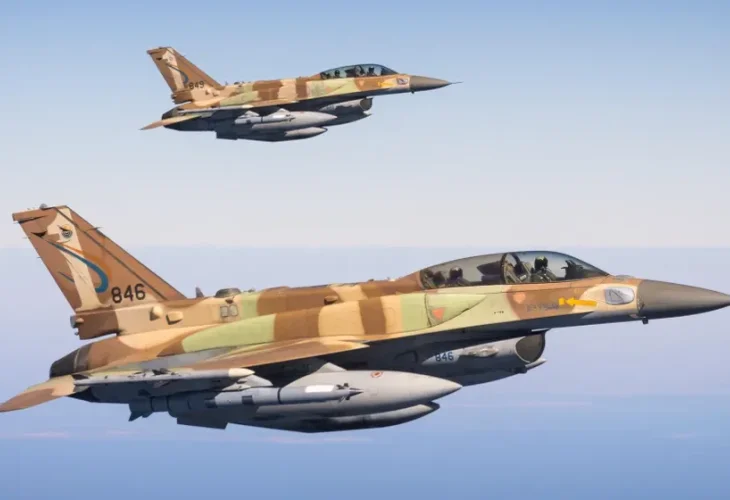 Air Force jets (Photo: IDF Spokesperson)
In Israel and the United States, a joint plan is taking shape for the possibility of another round of strikes against Iran, an Israeli official told CNN on Tuesday. According to the official, coordination between the countries now includes preparations for an operation focused on energy infrastructure and senior figures in the Iranian regime.
The official added that planners are looking at a "short operation" meant to pressure Tehran and push it toward additional concessions in the ongoing negotiations. The preparations come against the backdrop of a fragile cease-fire reached about a month ago, amid rising tensions over the region's strategic shipping lanes.
In Washington, officials are sending a tough message about the Strait of Hormuz. America's war minister, Pete Hegseth, declared that "Iran does not control the Strait of Hormuz," and stressed that "the U.S. will not need to enter Iran's airspace or waters to open the strait. The American blockade is effective. Iran will face overwhelming force if it attacks commercial ships."
At the same time, the Iranian news agency "Tasnim," which is aligned with the regime, reported that five vessels carrying roughly 200,000 liters of smuggled fuel were seized in Khuzestan Province. According to the report, eight suspects were arrested and the shipments were transferred to the authorities, with the destination being sale to intermediaries in the Gulf states.
Alongside these developments, U.S. intelligence assessments indicate that Iran's timeline for achieving a nuclear weapon remains unchanged—estimated at nine months to a year. This comes despite roughly two months of intense fighting, during which the United States and Israel struck conventional military targets, and Israel also hit several significant nuclear facilities.
The upshot, according to those sources, is that a significant delay to the nuclear program would require directly targeting Tehran's stockpiles of highly enriched uranium—an issue that remains one of the main sticking points between Washington and Iran, even after agreement on a temporary cease-fire.

