

World News
U.S. Intel: Iran Could Be 9–12 Months From a Nuclear Weapon
Despite months of fighting and targeted strikes, Washington says Iran’s nuclear timeline has barely budged. The IAEA warns it can’t track key stockpiles of highly enriched uranium.
- Yuval Aviv
- | Updated
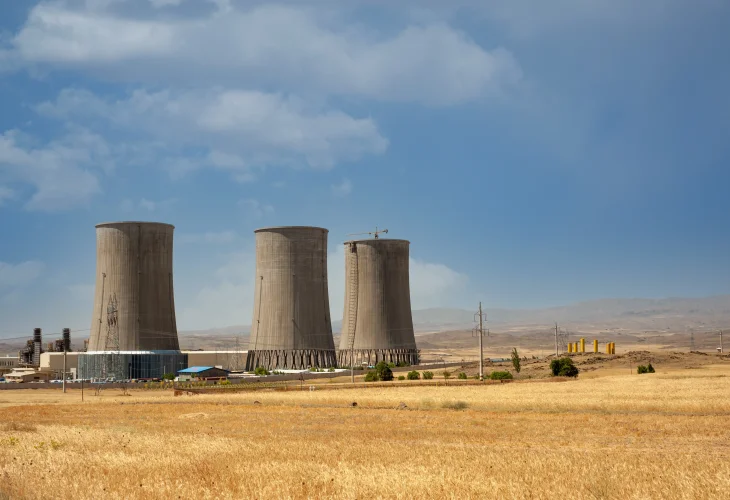 Cooling towers of a nuclear power plant, Iran (Credit: Shutterstock)
Amid months of military escalation and targeted strikes, U.S. intelligence assessments indicate the pace of Iran’s nuclear program has barely changed. According to a report published today (Tuesday) by Reuters, Tehran would need between nine and 12 months to develop a nuclear weapon. That estimate holds despite roughly two months of intense fighting in the region.
According to the report, strikes carried out by the U.S. and Israel focused mainly on conventional military infrastructure and elements of Iran’s defense industry. Even so, there has been no significant impact on the nuclear program’s timeline. The main reason, sources familiar with the details say, is Iran’s continued possession of large stockpiles of highly enriched uranium.
The White House paints a more nuanced picture. Administration spokesperson Olivia Wiles said the recent operations achieved some of their objectives, emphasizing that nuclear facilities were attacked and destroyed alongside defensive systems that served as a "shield" for the program.
The International Atomic Energy Agency warned it cannot locate and verify about 440 kilograms of uranium enriched to 60%. Expert assessments say that meaningfully delaying the program would require the physical destruction of these stockpiles. That task is especially complex given the suspension of international monitoring and the transfer of materials to protected underground sites.
Meanwhile, U.S. Secretary of Defense Pete Hegseth underscored that Washington remains determined to prevent Iran from obtaining a nuclear weapon, including through the ongoing negotiations. By contrast, Iran’s foreign minister, Abbas Araghchi, criticized the American approach, writing that events in the Strait of Hormuz prove that "there is no military solution to a political crisis." Araghchi warned against further escalation and called on the United States and the United Arab Emirates not to be dragged into a "quagmire," labeling the American operation to free ships a "dead-end project." Behind the scenes, contacts between the parties continue, brokered by Pakistan, in an effort to halt the deterioration and reach understandings.

