

Personal Stories
He Gave Up His Home for Shabbat and Built a Legacy
When traffic disturbed Shabbat, one man took action and changed the future of an entire area.
- Naama Green
- | Updated
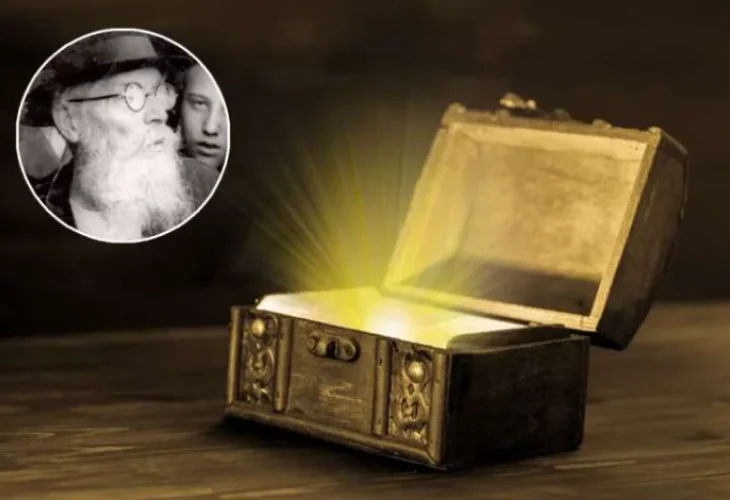 (Photo: Shutterstock. Inset: the <i>Chazon Ish</i>)
About 90 years ago, in the early days of Bnei Brak, a remarkable story unfolded. One of deep devotion, sacrifice, and a determination to uphold the honor of Shabbat.
A Life of Faith and Giving
A righteous convert named Rabbi Tzvi settled in Bnei Brak after coming to the Land of Israel from abroad. He married the cook of the Ponevezh Yeshiva, and together they built a modest life. They purchased a small home and a cowshed to support themselves.
The couple did not have children, and they longed to bring merit to others in whatever way they could.
A Painful Reality
At the time, under British rule, Herzl Street was a busy route connecting Tel Aviv to the Tel HaShomer military area. Traffic passed through day and night, including on Shabbat.
For Rabbi Tzvi, this was deeply painful. Right outside his home, cars drove by on Shabbat, disturbing its sanctity. Unable to accept this, he turned for guidance to the great sage, the Chazon Ish.
A Creative Solution
The Chazon Ish suggested an unusual solution: build a synagogue on the property.
At the time, British regulations prohibited traffic near synagogues on Shabbat and Jewish holidays. By establishing a place of prayer, Rabbi Tzvi could prevent cars from passing directly by his home during services.
Going Even Further
Rabbi Tzvi accepted the idea, but raised a concern. What about the hours when no prayers were taking place? Would traffic then resume, compromising the honor of Shabbat?
The Chazon Ish advised him to announce that prayers were held throughout the entire day, ensuring that the restriction would apply continuously.
A Sacrifice Like No Other
The couple faced a difficult decision. Their home was small, with no extra space for a synagogue.
Yet their commitment was absolute.
They chose to dedicate their entire home to becoming a synagogue, and moved themselves into the cowshed in the yard.
A Lasting Impact
Because their home stood at the corner of two streets, the restriction on traffic extended to the surrounding area as well. As a result, the British authorities were forced to redirect traffic and develop alternative routes, including what would later become a major road through the area.
What began as a personal struggle for Shabbat became something much greater.
A Living Legacy
Over time, that small home grew into a large, bustling center of Torah and prayer. Today, it is known as the famous Itzkovitz Synagogue, one of the most active synagogues in the world, with prayers taking place around the clock.
Rabbi Tzvi and his wife merited that their sacrifice would create a place of holiness that continues to serve thousands.
A Name That Became a Symbol
As Rabbi Yitzchak Kolodetsky reflects, some names remain just family names. But others become something more.
“Itzkovitz” is no longer only a name. It represents a place, a legacy, and a living example of dedication to the honor of Shabbat.
The Power of One Decision
This story is a powerful reminder of how one act of determination can shape generations.
A simple home, given up for the sake of Shabbat, became a center of prayer that continues to grow and inspire—showing how far one person’s commitment can reach.

