

Raising Children
Toys That Can Be Risky: Safety Tips for Parents
From past recalls to current risks, these toys highlight why safety awareness matters for every parent.
- Shira Friant
- | Updated
 Illustration
We tend to assume that children’s toys go through strict safety checks before they reach store shelves. In many cases, that is true. But history shows that some toys have caused serious injuries before concerns were fully addressed.
According to reports highlighted by Cheapism, a number of popular toys have been linked to safety risks. Some were recalled or banned, others redesigned, and some are still available today.
Here are several examples every parent should be aware of.
High Risk Toys Still in Use
Kick scooters remain extremely popular, but they are also among the most injury-prone toys. Between 1990 and 2011, non-motorized scooters were linked to a 40 percent rise in toy-related injuries. Common issues include fractures, cuts, and sprains. Safety experts strongly recommend helmets and protective pads.
Hoverboards surged in popularity in 2015, but reports of overheating and fires quickly followed. About half a million units were recalled after nearly 100 fire incidents. Safety standards have improved since then, but caution is still advised.
Trampolines are another well-loved but risky activity. They have been linked to hundreds of thousands of hospital visits for broken bones and more than a million emergency room visits overall.
Inflatable play structures may look harmless, but they can be dangerous. In one year alone, more than 17,000 injuries were reported. There have even been cases of inflatables lifting off the ground with children inside due to strong winds.
Slip and slide mats are often used by older children and adults, increasing the risk of serious injuries. Warnings have been issued after cases of neck injuries and even paralysis.
Toys That Led to Recalls
Some toys were eventually removed from the market after alarming safety reports.
In the late 1990s, a battery-powered toddler car from Fisher Price was recalled after around 150 reports of fires, along with many more reports of smoke and melting. Some incidents occurred even when the toy was not in use.
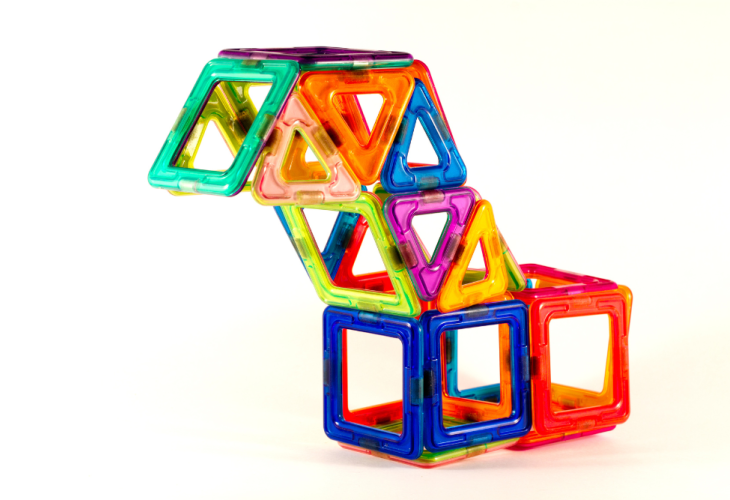
Magnetix magnetic building sets were recalled in 2006 after magnets detached from pieces, posing serious risks when swallowed by young children.
Infant hammocks were recalled in massive numbers after safety concerns that the design could twist and wrap around a baby’s neck, creating a suffocation risk.
Fisher Price bicycles were also recalled in 2010 after the placement of the ignition key caused injuries when children fell forward onto it. Later designs addressed the issue.
Older Toys with Serious Risks
Some toys from previous decades are still remembered today, often with a mix of nostalgia and concern.
Lawn darts, popular in the 1980s, had sharp metal tips designed to stick into the ground. Unfortunately, they also caused serious and even tragic injuries. They were taken off the market in 1988, though they can still occasionally be found.
Clackers, a 1960s fad toy made of hard balls on a string, sometimes shattered on impact, sending sharp fragments flying. Later safety regulations required safer versions.
Slap bracelets, widely popular in the 1980s and 1990s, could expose their metal core and cause cuts to the wrist. While still sold today, safety concerns have never been fully resolved.
Toys That Still Raise Concerns
Some toys remain available despite ongoing safety discussions.
Toy guns, including airsoft rifles and pellet guns, have been linked to a sharp increase in eye injuries. Even foam dart guns, often seen as harmless, can cause damage at close range.
Water yo yo balls, which bounce on a stretchy cord, raised concerns about strangulation risks and potential toxicity. While not banned nationwide, some regions chose to remove them from shelves, and updated standards now limit cord length.
A Thoughtful Approach to Play
Toys are meant to bring joy, creativity, and learning into a child’s life. At the same time, awareness is key. Understanding potential risks allows parents to make informed choices and create a safer environment.
With the right precautions and supervision, children can still enjoy playtime while staying protected.

