

Raising Children
How to Help Children Behave at Holiday Meals Without Stress or Power Struggles
Practical parenting tips for creating calmer family holiday dinners, preventing boredom and meltdowns, and helping children truly enjoy meaningful family gatherings
- Moriah Chen
- | Updated
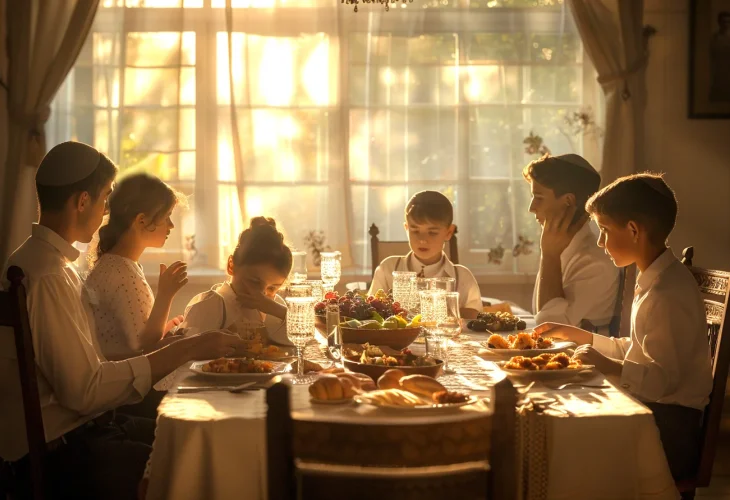
Family holiday meals are a wonderful opportunity to strengthen bonds and create lasting memories. However, for many parents, the thought of children becoming bored, restless, or disruptive can turn the experience into a stressful one. Following are practical tips and ideas to help prepare your children for a more positive and cooperative holiday table experience.
Preparing Before the Holiday – The Key to Success
Set clear, age-appropriate expectations.
Young children (ages 3–6):
Practice basic table behavior ahead of time and explain in simple terms how long the meal will last.
School-age children (ages 7–12):
Share more detailed expectations and explain the meaning of the holiday and its traditions.
Teenagers (13 and up):
Include them in the planning and give them a meaningful role during the meal.
During the Meal – Smart and Flexible Management
Organize Seating and the Environment
Arrange seating so children sit near adults who can help guide and support them.
For very young children, consider a separate table close to the adults’ table.
Make sure children are sitting comfortably with booster cushions or suitable chairs if needed.
Create Interest and Involvement
Prepare conversation topics or questions suitable for different ages.
Include light table games such as riddles, word games, or a “question box” filled with conversation prompts.
Create unique family traditions, such as a “gratitude round” or sharing meaningful family stories.
Handling Especially Long Holiday Meals
Plan short “scheduled breaks” between parts of the meal or ceremony for younger children.
Prepare a simple “holiday clock” showing the different stages of the meal and festivities.
Consider creating a small “holiday surprise basket” to hand out at strategic moments during the evening.
Dealing With Common Challenges
Children Who Refuse to Eat
Offer at least one food you know they enjoy. Avoid forcing children to eat.
Boredom and Impatience
Prepare a “surprise bag” with quiet activities for slower moments during the meal.
Emotional Outbursts
Agree ahead of time on a quiet signal that gently reminds children about the expected behavior.
A Reflective Conversation After the Holiday
Talk about what felt enjoyable and successful during the holiday meal.
Ask the children what they enjoyed and what they would like to change next time.
Point out the progress they made compared to previous holidays.
Focus on Connection, Not Perfection
Remember that the main goal is to create positive family memories and teach social skills. When your approach is balanced — neither overly strict nor overly permissive, children learn that holiday meals are a special time of family closeness and mutual respect.
Be flexible, keep your sense of humor, and focus on what truly matters — not perfection, but connection and shared experience. With time and practice, children will not only learn how to behave appropriately at the holiday table, but also how to genuinely enjoy it.

