

Raising Children
Why Children Cry During Daycare Drop-Off — And What Their Tears Are Really Saying
How attachment-based parenting can help children feel safe, secure, and emotionally supported during separation
- Leah Auerbach
- | Updated
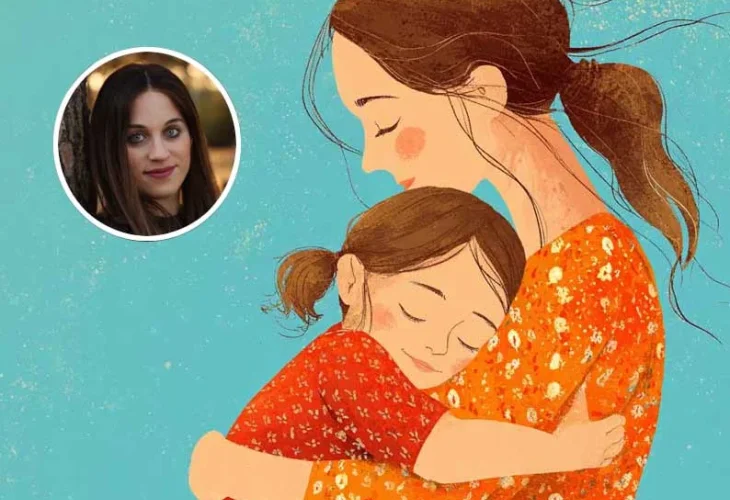
Eventually, the moment comes when you leave — and your child begins to cry heartbreaking tears. The kind of crying that cuts through you from the inside, stirring up distress, guilt, and even a little resentment: I invested so much in this adjustment process — why are you still crying?
Let’s take a closer look at this crying so we can better understand why children cry, how to respond, and when it may be appropriate to leave even if they are crying. Actually, let me correct myself: there is no perfectly “right” moment in an absolute sense. We can talk about general principles, but the exact balance for your child and your family is something only you can create.
Not All Crying Is the Same
There are different kinds of crying, and each sounds different and triggers different emotional reactions in us.
During the adjustment process to daycare, preschool, or a new framework, you will usually encounter two main types of crying:
Loud, intense, hysterical crying — the crying of panic.
Sadder, quieter, softer crying — the crying of adjustment.
Each of these exists on a spectrum.
Panic crying usually escalates and grows more intense over time. Adjustment crying, on the other hand, often begins as loud resistance and gradually softens into quieter sadness and grief.
Panic Crying Activates Our Survival Instincts
When a child cries from panic, their nervous system urgently signals to yours:
I’m in danger. I can’t handle this. I’m being abandoned. Mom is leaving me. I don’t know these people. Who knows what will happen to me? Help!
Our nervous system immediately responds with a powerful urge to protect and rescue.
This may be the moment you remember from an older child or from previous years — the moment your chest tightens and the pressure starts building. You are not sure what to do. The teacher tells you to leave, and you walk away with a heavy heart, quickly moving out of range of the screams.
Adjustment Crying Comes From Attachment, Not Panic
Adjustment crying activates a different place within us — the attachment system.
The child’s sadness awakens deep compassion within us, along with the desire to take away their pain and stay with them forever.
But crying is actually an essential part of adjustment.
In those moments of crying, an internal shift takes place, from resistance to acceptance. From “I don’t want to be here” to “Maybe this isn’t so terrible after all.”
This kind of crying does not suddenly stop as if someone pressed a button. It slowly fades and settles until the child calms down, reconnects with themselves, and begins looking around with curiosity.
This is the kind of crying we want children to be able to experience, because it tells us they are no longer terrified or feeling unsafe. Their nervous system is beginning to accept the new reality.
Where the Process Often Gets Complicated
Problems arise when both parents and staff confuse panic crying with adjustment crying.
They confuse a survival response with an attachment response.
When a parent or caregiver cannot tolerate the crying because it triggers their own distress, guilt, or impatience, they may try to stop it with survival-based reactions such as:
“If you keep crying, then…”
“If you stop crying, then…”
“Big kids don’t cry.”
These responses interrupt the adjustment process.
They stop the healthy crying that could have developed naturally and instead teach the child to build emotional armor that protects them from their feelings.
The child may stop crying externally, but only by suppressing their emotions. The feelings get pushed deep into the “basement” of the heart. On the surface, the child may appear fine, but they are not truly relaxed, joyful, or open to exploring the new environment.
Because the same armor that blocks panic and sadness also blocks many other emotions.
When Crying Is Met With Calm Acceptance
A child who is allowed to cry freely — without the adults around them becoming anxious or reactive, receives exactly what they need.
When a mother or teacher listens to the crying with an open heart and treats it as meaningful rather than problematic, the child gains:
A sense of safety
Validation of their emotions
The feeling that someone truly sees and protects them
And paradoxically, that is often what helps the crying begin to ease.
How Should You Respond?
When your child cries, pause and observe carefully to understand what kind of crying it is.
If it is panic crying, your child still needs you there. They have not yet reached the stage of adjustment. This crying is intended to awaken urgency and protectiveness in us — and that response is important.
Your child needs your protection in that moment.
When the crying shifts into adjustment crying, attentive listening will usually help you recognize it fairly easily.
If you feel your child is safe, and the caregivers are able to hold your child’s emotions calmly and compassionately without becoming alarmed, that may be the time to begin moving toward separation — while continuing to maintain connection afterward, building emotional bridges, and keeping your bond active and secure.
Adjustment Is Never Perfect
Adjustment, by its nature, is not perfect.
Adjustment is emotional work. It involves gaps, grief, acceptance, and emotional processing. These days of transition will probably not leave you feeling uplifted or fully satisfied. More likely, they will bring different degrees of pain — the kind of pain that accompanies every meaningful adjustment and requires adjustment of its own.
In real life, full of emotional complexity, while balancing the needs of multiple children, returning to your own routines, and carrying everyone in your heart all at once — a good adjustment process is simply one that is “good enough.”
Adjustment is not separation.
It is a deeper holding of the relationship.
Leah Auerbach is a parent coach specializing in developmental attachment-based parenting, highly sensitive children, emotional regulation, and parenting twins.

