

Wonders of Creation
Do Animals Really Talk? What Torah and Science Reveal
From whale songs to bee dances, discover what science and Jewish tradition reveal about animal communication.
- Rabbi Yosef Brock
- | Updated
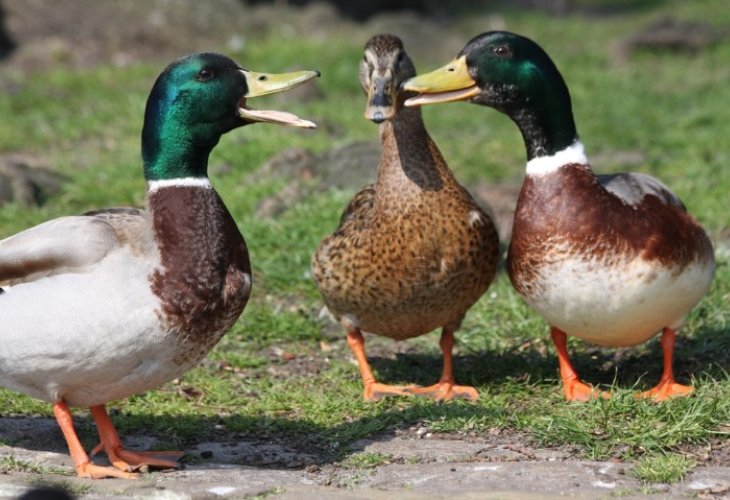
The sounds animals make may seem repetitive or meaningless to us, but what if they are far more complex than we realize?
From chirping birds and roaring lions to whispering elephants and “dancing” bees, scientists have discovered that animals communicate in astonishing ways. Jewish tradition, too, contains fascinating discussions about the language of animals and birds, raising deep questions about the wisdom woven into creation itself.
Do Animals Have a Language?
For generations, people have wondered whether animals truly “speak” to one another or simply react instinctively.
To human ears, animal sounds can seem repetitive. Yet researchers have found that many species produce thousands of different tones and signals that other members of their species understand clearly.
Bird songs, for example, contain countless subtle variations, while frog calls include tens of thousands of unique nuances that sound nearly identical to us.
Scientists believe these sounds help animals find food, attract mates, warn of danger, defend territory, and organize social life.
What Jewish Tradition Says
Jewish sources contain several references suggesting that animals communicate in meaningful ways.
The Gemara relates that King Solomon understood the language of animals and birds. Other traditions say that certain righteous individuals throughout history possessed similar understanding.
One famous passage describes a calf crying out before being led to slaughter, seemingly aware of what was happening and pleading for mercy.
Another story in the Gemara tells of Rav Ilish, who heard a raven repeatedly calling his name while he was imprisoned. Someone familiar with the “language of birds” explained that the raven was signaling for him to escape.
The Torah itself also describes the donkey of Balaam speaking, raising fascinating questions about animal awareness and communication.
The Hidden Communication of Nature
Modern science has uncovered extraordinary examples of animal communication.
Elephants use ultra low frequency sounds that humans cannot hear, allowing them to communicate across several kilometers.
Bees famously perform a “dance” that tells other bees exactly where flowers and nectar can be found, even indicating direction relative to the sun.
Whales produce long, evolving songs that can continue for hours and be heard from enormous distances underwater.
Researchers have also discovered that crickets produce highly detailed patterns of chirping, mosquitoes communicate through wing vibrations, and mice use sounds too high for human hearing.
Communication Without Words
Many scientists believe animal communication is not language in the human sense, but rather a sophisticated instinctive system designed for survival.
Different sounds may signal fear, danger, aggression, submission, or attraction. Remarkably, similar patterns appear across many species.
Low sounds often communicate power or aggression, while higher sounds may express fear or distress.
Even baby animals are designed in ways that trigger care and protection. Their large eyes, round faces, and soft features naturally awaken nurturing instincts in parents and even in humans.
Nature’s “Chemical Communication”
Communication in the animal world is not limited to sounds.
Some insects communicate and defend themselves using chemicals so advanced that scientists compare them to tiny laboratories.
One beetle mentioned in the article stores explosive chemical compounds inside its body and releases them in a targeted spray when threatened. The burst is powerful enough to repel predators like frogs.
Other insects release warning smells, toxic sprays, or chemical signals that organize entire colonies.
Can Humans Communicate with Animals?
Researchers have long tried to communicate directly with animals.
Chimpanzees have been taught simple sign language, and dolphins have demonstrated remarkable intelligence and responsiveness to human interaction.
Still, scientists debate whether these interactions represent true language or highly trained behavior.
“How Great Are Your Works, Hashem”
Whether animal communication is instinctive or something deeper, both science and Jewish tradition point to the extraordinary wisdom embedded throughout creation.
From the songs of whales to the warning cries of birds and the dance of bees, the natural world reflects a level of complexity that continues to amaze researchers and inspire wonder.
As the verse in Psalms says: “How great are Your works, Hashem. You made them all with wisdom.”

